Quick answer
A padlock hasp is a device used to secure doors, gates, or containers with a padlock. It typically consists of a hinged metal plate and a staple, allowing a padlock to be attached for security. Commonly used in various security applications, it is essential for both residential and industrial settings.
How a Padlock Hasp Works
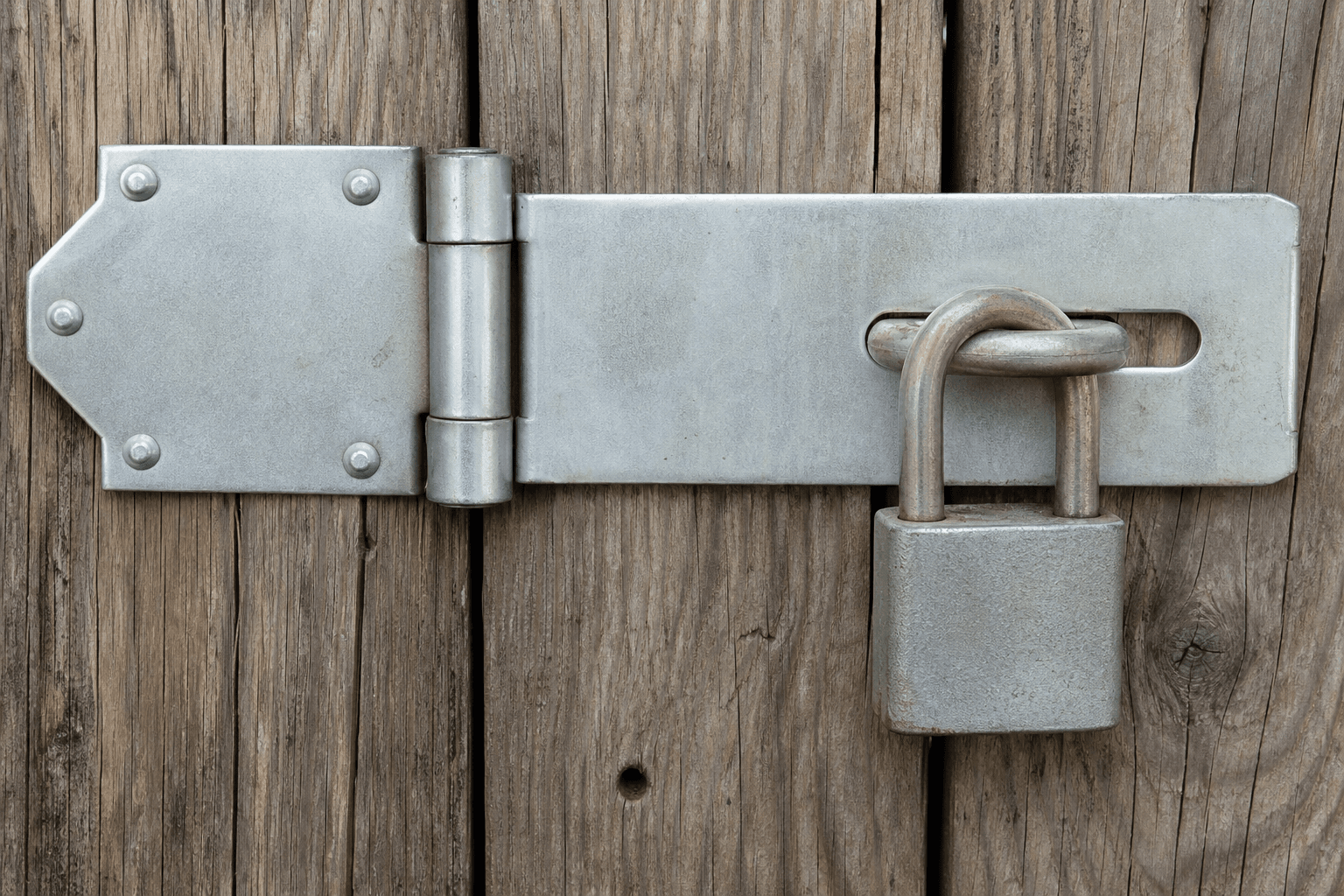
A padlock hasp is a security device designed to allow a padlock to secure two objects together, such as a door and frame. It consists of a hinged plate and a staple. The hasp is affixed to one side, while the staple is attached to the other, allowing the padlock to secure them when closed.
This mechanism is simple yet effective. The hinged plate covers the staple when closed, preventing access to the screws or bolts that secure it. This design is widely used for securing gates, sheds, and lockers, providing a robust and reliable locking solution.
Specifications of Padlock Hasps
Understanding the specifications of padlock hasps is crucial for selecting the right one for your needs. These parameters ensure compatibility with the intended application and provide the necessary security level.
Key specifications include material, length, width, finish, and staple diameter. These factors determine the hasp's durability and suitability for different environments, such as outdoor or corrosive settings.
| Specification | Description |
|---|---|
| Material | Steel, stainless steel, or brass |
| Length | Typically 40–150 mm |
| Width | Typically 10–50 mm |
| Finish | Zinc-plated, powder-coated, or painted |
| Staple Diameter | Typically 5–10 mm |
Types of Padlock Hasps
Padlock hasps come in various types to suit different security needs. The most common types include standard hasps, concealed hasps, and lockout hasps. Each type has distinct features tailored for specific applications.
Standard hasps are widely used for general purposes, while concealed hasps offer enhanced security by hiding the screws. Lockout hasps are designed for safety applications, allowing multiple padlocks to secure the same point, often used in industrial lockout/tagout procedures.
Selection Criteria for Padlock Hasps
Selecting the right padlock hasp involves considering several criteria. The environment where it will be used is crucial; for instance, stainless steel is preferred in corrosive environments due to its resistance to rust.
The level of security required also plays a significant role. For high-security needs, a concealed hasp with a hardened steel staple may be appropriate. Additionally, the size and compatibility with the padlock must align with the application to ensure proper functionality.
Boundary Conditions and Common Misunderstandings
Padlock hasps are versatile, but they are not suitable for all situations. They are not recommended for high-security applications where advanced locking mechanisms are required. Additionally, using a hasp without a compatible padlock can compromise security.
Common misunderstandings include assuming all hasps provide the same level of security. The material, design, and installation quality significantly impact effectiveness. Selecting the appropriate type and ensuring proper installation are critical for optimal security.
Key takeaways
- A padlock hasp is used to secure objects with a padlock.
- It consists of a hinged plate and a staple.
- Specifications include material, size, and finish.
- Types include standard, concealed, and lockout hasps.
- Not suitable for high-security applications.
Frequently asked questions
What is hasp?
A hasp is a metal fastening device that works with a staple and a padlock to secure doors, gates, or containers.
What is a padlockable hasp?
A padlockable hasp is designed to be used with a padlock, providing a secure locking mechanism for doors or containers.
How does a hasp and staple padlock work?
The hasp covers the staple when closed, allowing a padlock to secure them together, preventing unauthorized access.
What materials are padlock hasps made from?
Padlock hasps are typically made from steel, stainless steel, or brass, chosen for durability and security.
Related pages