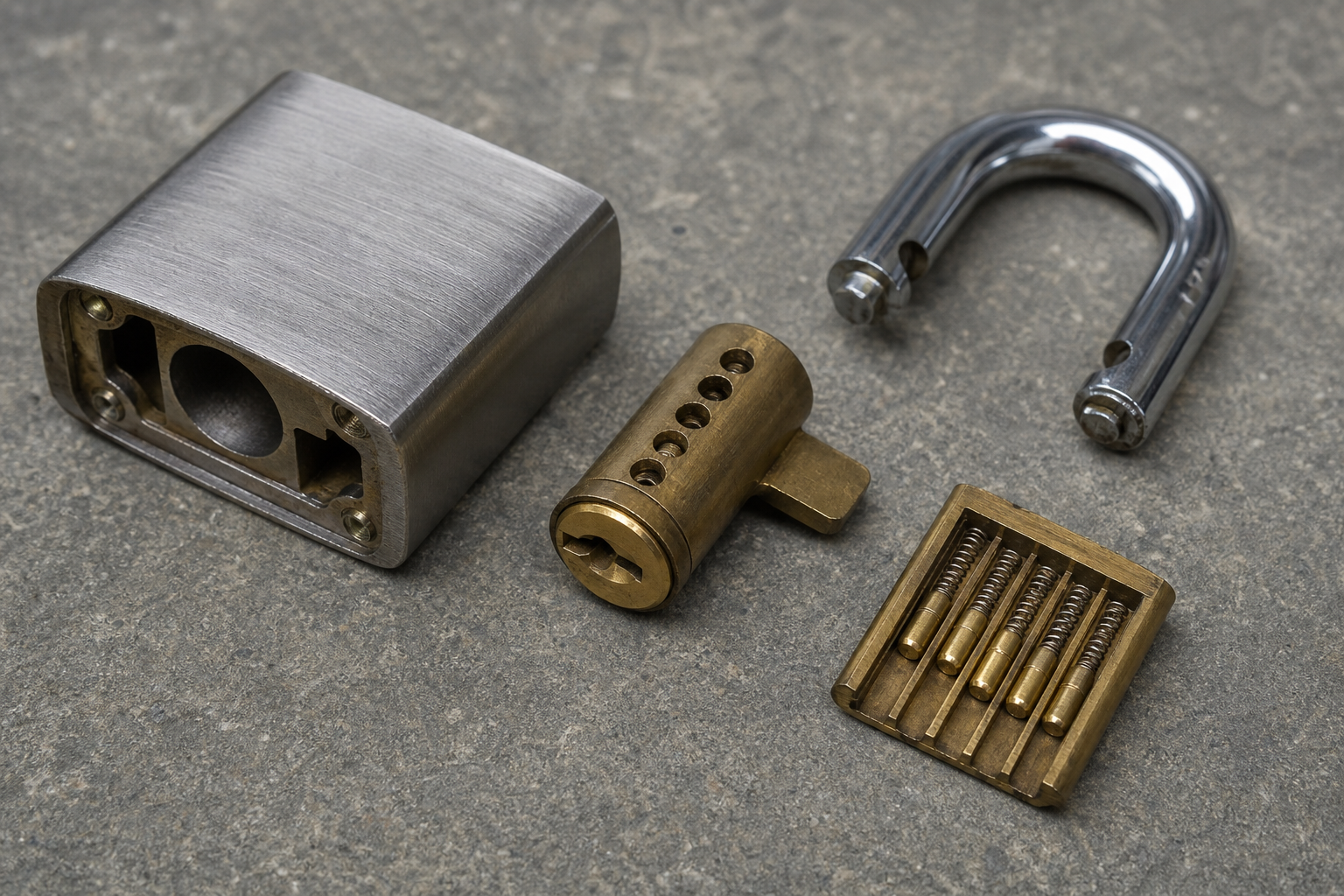
A foggy morning in 2026, and I’m staring at a stack of padlocks on a factory floor in Eastern China. Each lock promises security, but as any seasoned procurement manager knows, promises alone won’t keep assets safe. The CNN article, “The best padlocks in 2026, tried and tested,” offers a snapshot of some top-rated options, but what lies beneath that polished surface?
The article highlights various padlocks and briefly mentions their features—weatherproof designs, keyless entries, and high-tensile materials. Notably, they reference a keyless dial padlock with zinc alloy housing and a solid steel lock that resists drilling. However, there’s a gap in the granular detail that procurement professionals crave. How do these products stack up against actual field requirements or operational durability under harsh conditions?
There’s mention of robust anti-pick disc mechanisms and shackle reinforcements. These aspects, while sounding impressive, need validation through rigorous industry-standard tests like ASTM B117 salt spray testing or UL standards compliance. However, the article doesn’t dive into these specifics. For a procurement manager, knowing that a product meets ASTM standards could be the difference between rejection and choosing a long-term supplier.
The padlock market is evolving at a rapid pace, particularly with smart technology integration. For context, the global smart home security market is projected to advance significantly—from $6.2 billion in 2024 to $10.9 billion by 2029 (Statista Market Insights, 2024-2029). Yet, conventional locks aren’t obsolete. They’re adapting, incorporating more versatile materials and manufacturing techniques to enhance traditional security solutions.
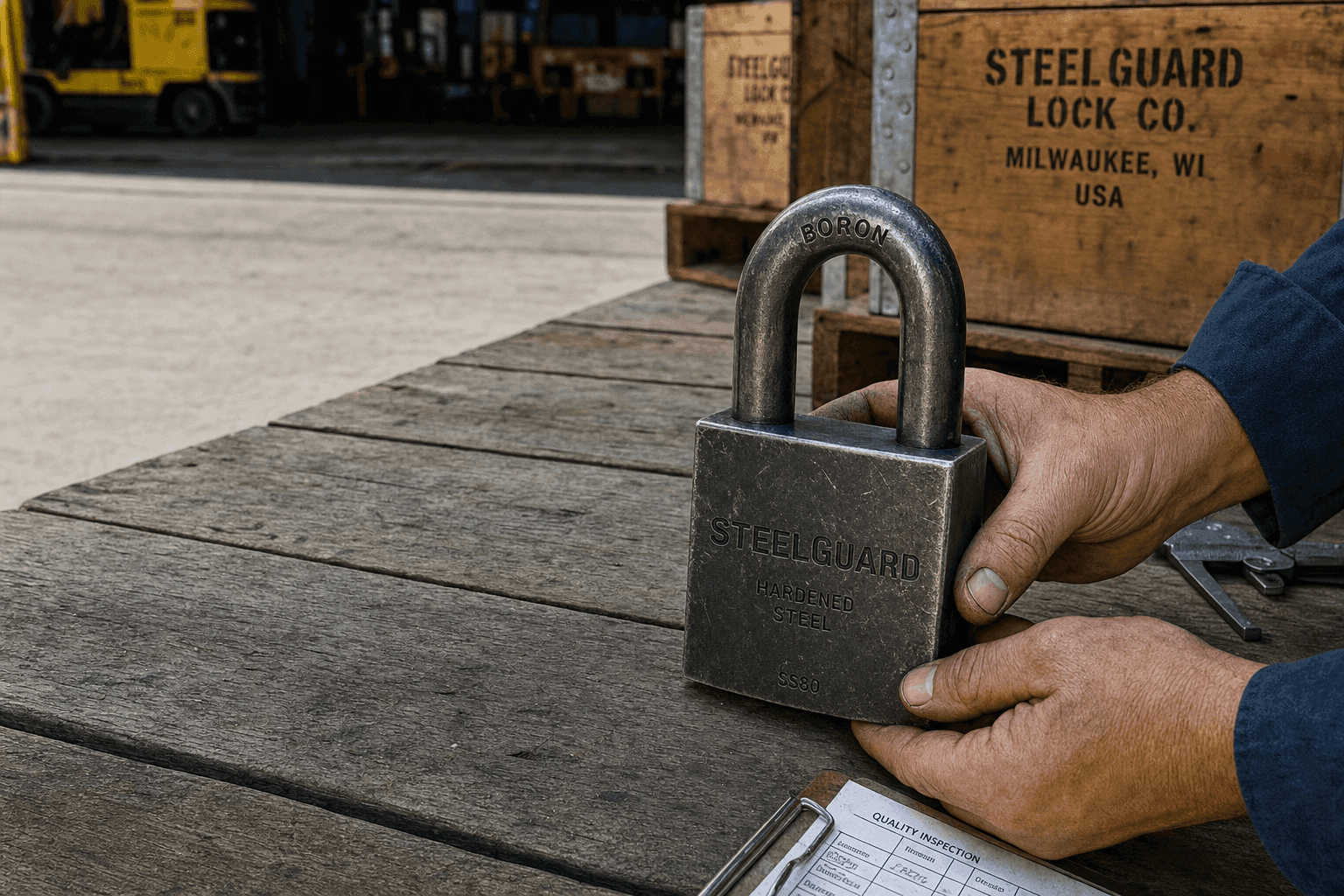 My take? The allure of smart locks shouldn’t overshadow the reliability required for physical security elements. Smart technology integration, like compatibility with platforms such as Tuya Smart or Apple HomeKit, makes for attractive features, yet the material durability and mechanical lock integrity remain paramount.
I’ve witnessed procurement errors where buyers were swayed by smart features, only to find their newly installed locks corroding in high-salt environments within months. It underscores the importance of understanding environmental factors and conducting comprehensive corrosion resistance tests before finalizing a purchase. Relying on a product’s lab-verified specifications (like those conducted by factories with in-house labs) can prevent costly mistakes.
Companies like YueFong offer insights into these dynamics by boasting full in-house labs and strategic OEM partnerships for precise manufacturing. While I mention them here only briefly, they serve as a benchmark for understanding how some manufacturers maintain quality through vertical integration. For a procurement manager, this could mean fewer surprises and potential cost savings over the long-haul.
Perhaps the most overlooked aspect is the concept of after-sales support. A 1-year warranty with spare parts supply is not only a selling point but a vital insurance policy for operations that cannot afford downtime. A procurement manager should weigh this heavily when evaluating suppliers.
The CNN piece, while a neat promotional package, misses the deeper analysis on supply chain impacts or cost pass-through scenarios. In a world where price volatility can shift overnight, comprehending how geopolitical factors or raw material shortages influence cost structures is critical. Supply chains are intricate, and a slight delay or cost hike can cascade through an organization.
As we move forward in 2026, procurement professionals must broaden their criteria beyond feature checklists. They need to focus on long-term supply chain reliability, post-purchase support, and vendor compliance with international standards. Are you prepared for the next twist in the lock and security landscape? Or will these overlooked details leave your business vulnerable?
In the end, the choice of a padlock isn’t just about security; it’s about aligning with partners who understand your challenges and are equipped to respond swiftly. So, the next time you’re choosing a lock, ask yourself: Is it just a lock, or is it a cornerstone of your security strategy?
Frequently Asked Questions
How does product testing compliance affect procurement decisions?
Ensuring compliance with standards like ASTM B117 impacts long-term reliability and procurement choices.
What are the supply chain risks linked to padlock procurement?
Risks include raw material volatility and geopolitical factors affecting cost and lead times.
What role does after-sales support play in padlock procurement?
After-sales support ensures operational continuity and can prevent costly downtimes.
Need an OEM Lock Partner?
Zhongshan Yue-fong Mai’s Manufacture Co., Ltd offers +/-0.02mm precision and 10M annual capacity. Contact us.