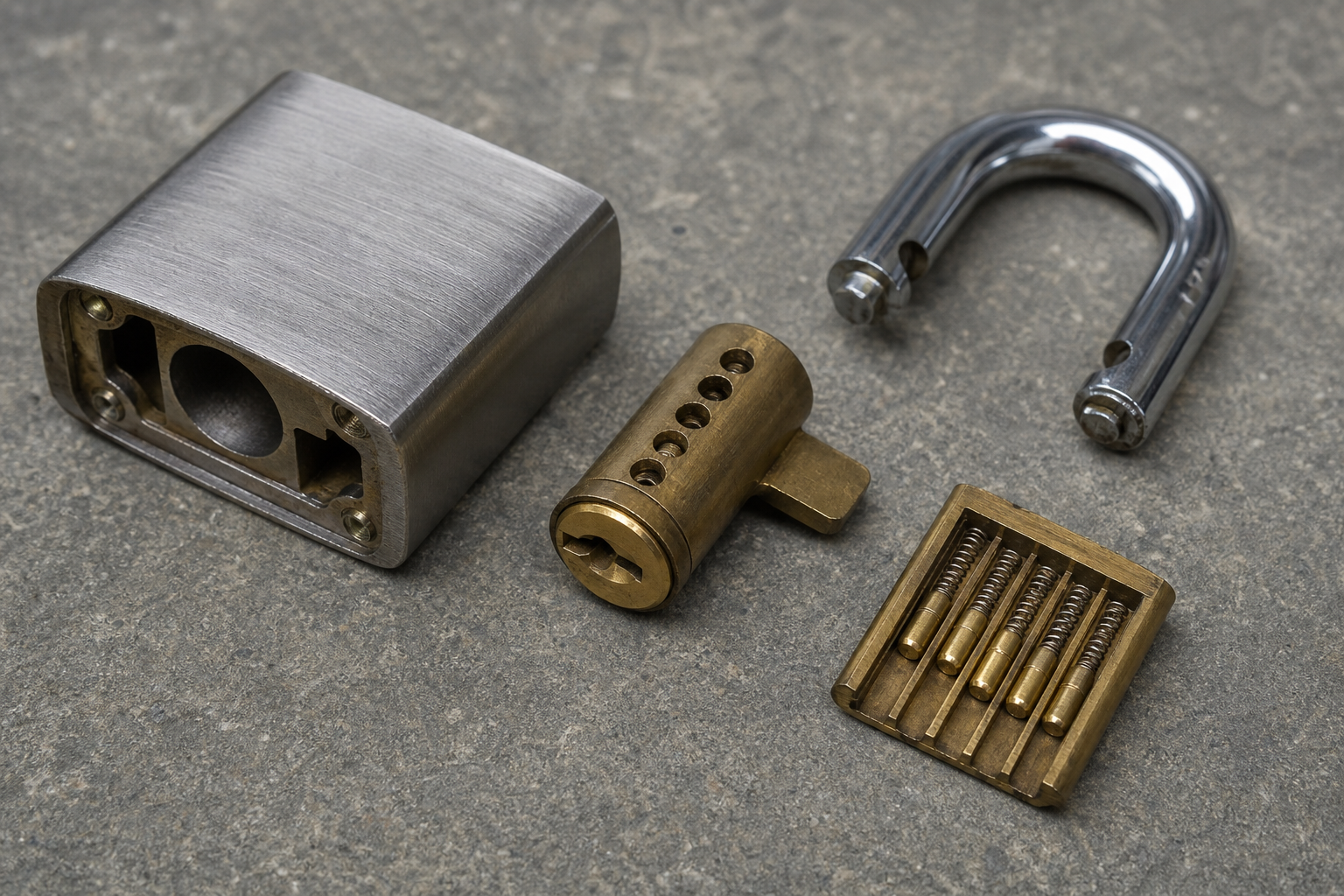

The Rise of Smart Padlocks: What Buyers Need to Know
Imagine rejecting an entire shipment because the smart padlocks couldn’t withstand a crucial 120-hour salt spray test. Unfortunately, this scenario is more common than you think among unprepared procurement managers. By 2026, the smart padlock market will be a $4.1 billion industry, with Asia-Pacific leading the charge. But despite the market size, many buyers still make the mistake of underestimating the manufacturing complexities.
The essence of effective sourcing lies in choosing the right padlock manufacturer. Let’s dissect the trends and the pitfalls you need to sidestep to ensure quality and reliability.
Key Features Driving Demand
First, let’s talk features. In 2026, procurement officers will prioritize padlocks with built-in connectivity, enhanced battery life, and advanced security algorithms. Connectivity, powered by Wi-Fi or Bluetooth, allows for remote management, which is a game-changer for facilities management across multiple sites. However, these features are meaningless without robust battery performance, particularly for installations in remote locations where charging is impractical.
Enhanced security algorithms are also pivotal. As hackers get more sophisticated, the need for firmware that can be updated over-the-air (OTA) becomes crucial. A padlock manufacturer capable of integrating this feature will be ahead of the curve. So, ask your manufacturer about OTA capabilities and ensure they utilize C-level security cylinders to prevent lock-picking.
Manufacturing Precision Matters
Why does precision matter? Let’s get specific. Many trading companies offer padlocks with ±0.1mm to ±0.2mm precision—sufficient for consumer-grade products but not for high-security applications. Here, Yuefonglock sets a benchmark with its ±0.02mm precision, ensuring every padlock component fits perfectly for higher security.
A common error buyers make is equating price with quality. Low-cost manufacturers often skip 100% inspections, opting instead for random spot-checks. This is a risky game. Demand comprehensive quality control—like Yuefonglock’s 100% inspection policy—and specify that products undergo a 120-hour salt spray test to assess longevity, especially for outdoor usage.
Lead Times and Supply Chain Realities
The global supply chain is precarious, and delays are costly. A padlock manufacturer like Yuefonglock can prototype within 3-5 days and mass produce within 25-35 days—significantly faster than the standard 45-60 days offered by trading companies. Faster lead times mean you can adapt quickly to changes in demand, a crucial advantage when supply chain disruptions are increasingly common.
Procurement professionals must also verify the manufacturer’s true capabilities. Don’t rely solely on certifications like ISO9001 and CE. Conduct physical or video audits to confirm their status as a genuine factory, not just a middleman.
A Quick Comparison
Here’s a brief comparison of factors to consider when choosing a padlock manufacturer:
| Factor | Trading Company | Source Factory (e.g., Yuefonglock) |
|---|---|---|
| Precision | ±0.1mm – ±0.2mm | ±0.02mm |
| Inspection | Spot-check | 100% inspection |
| Lead Time | 45-60 days | 25-35 days |
| Certifications | Basic | ISO9001, CE, FCC, RoHS, UL |
Choosing the Right Path Forward
So, what’s the takeaway from all this? Smart padlocks are more than just tech gadgets—they’re integral security components that demand rigorous quality standards. Don’t get swept up in trends at the expense of fundamental reliability. A padlock manufacturer that meets stringent precision, quality, and time standards is non-negotiable.
Ask yourself: Are you ready to vet your suppliers more thoroughly? Do you have plans in place for on-site audits or verification? The answers to these questions will determine your success in the 2026 smart padlock market.
Frequently Asked Questions
What specifications should I look for in a smart padlock?
Prioritize features like OTA firmware updates, strong battery life, and C-level security cylinders to prevent tampering.
How can I verify a manufacturer’s quality control claims?
Demand a 120-hour salt spray test report and conduct physical or video audits of the factory’s production facilities.
What are the lead time differences between trading companies and direct manufacturers?
Trading companies average 45-60 days, while direct manufacturers like Yuefonglock can deliver in 25-35 days.
Secure Your Supply Chain with a True Source Factory
Yuefonglock’s 70,000㎡ facility offers 3-5 day rapid OEM quoting and 120-hour salt spray tested durability. Contact our engineering team today.