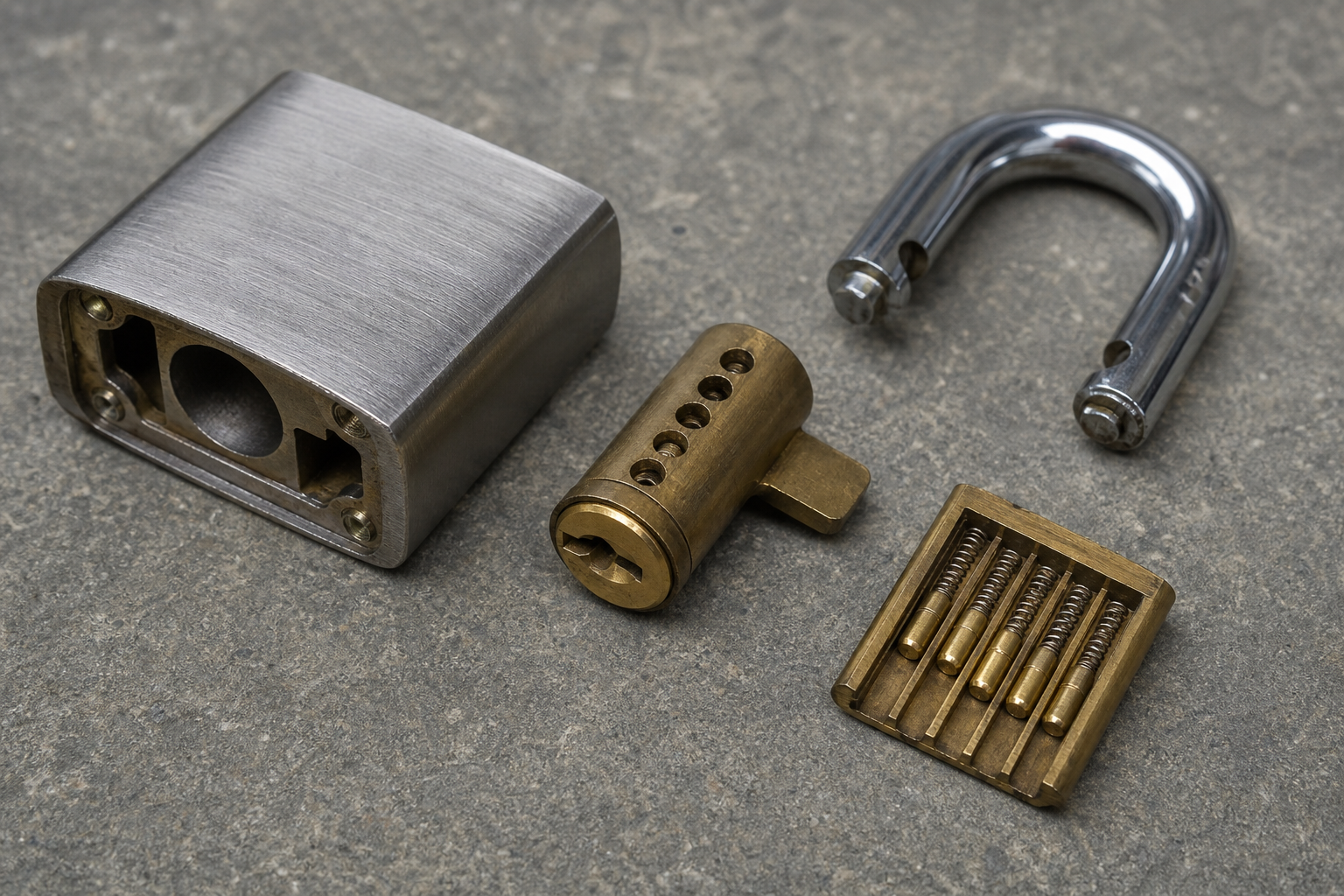
Padlock Factory Audit: Checklist Items That Matter
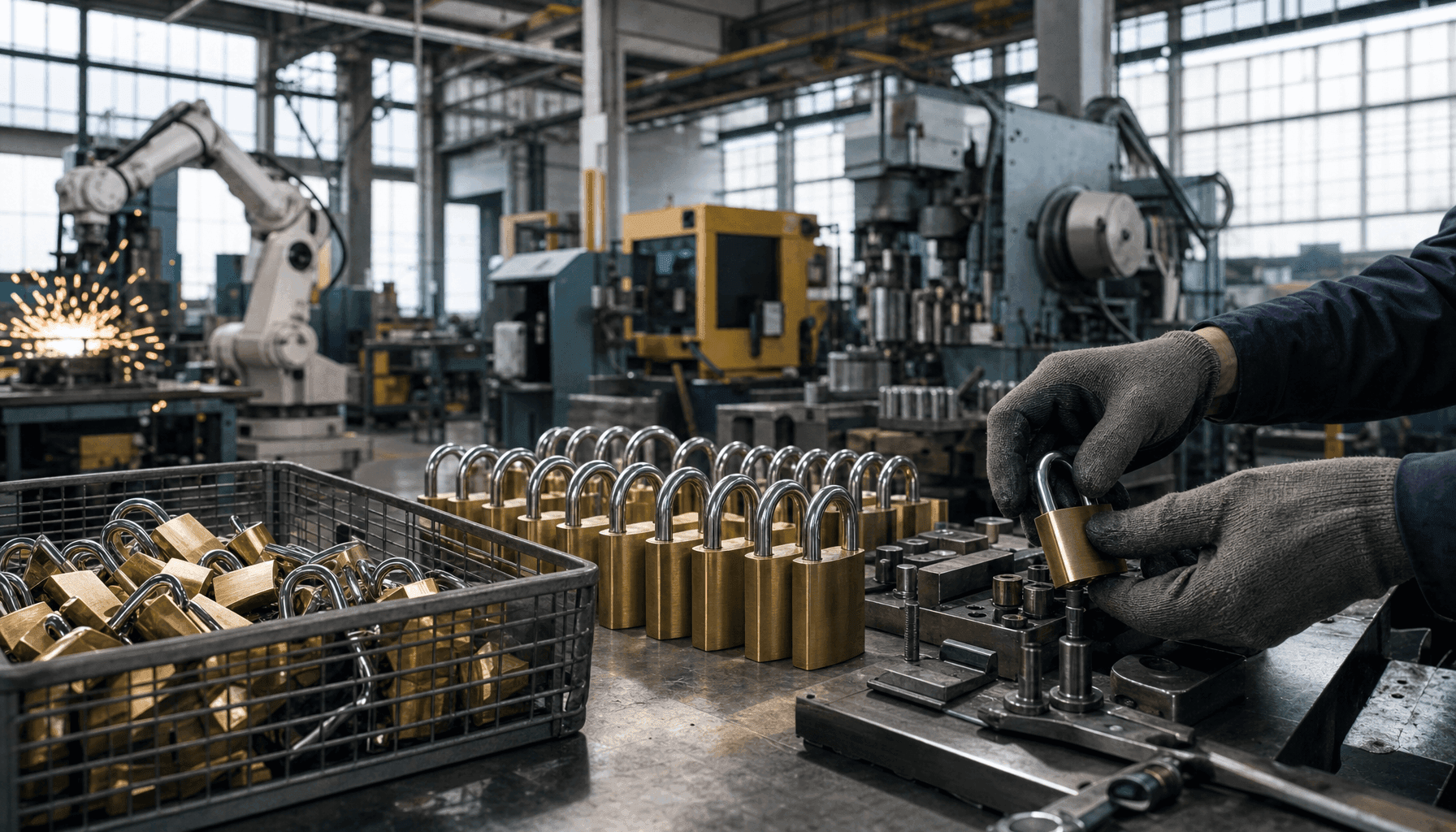
A padlock factory audit is an essential procedure that evaluates the production quality and environmental standards of a manufacturer. However, many audits end up missing critical factors that could predict future reliability and compliance issues.
This article examines key audit elements often overlooked, such as the presence of an on-site mold workshop, Quality Control (QC) sampling rates, and Bill of Materials (BOM) material verification, to provide procurement managers with the insights needed for informed decision-making.
Understanding the Importance of On-Site Mold Workshops
On-site mold workshops are production facilities where molds for padlocks are designed and maintained within the factory premises. These workshops enable rapid prototyping, which cuts lead times significantly, sometimes by weeks. Factories with these capabilities, such as Yuefong Lock in Zhongshan, demonstrate the ability to maintain a tight production schedule and improve quality control. An in-house mold workshop ensures better alignment with design specifications and reduces dependency on external vendors.
SA8000 audits, primarily focused on social accountability aspects, often overlook these operational details, which are crucial for maintaining consistent quality and meeting deadlines. Procurement teams aware of such facilities within a factory’s infrastructure may find more reliability and flexibility in orders, thus impacting their supply chain strategies positively.
The Role of QC Sampling Rates
Quality Control (QC) sampling rates refer to the proportion of finished products checked for defects before leaving the factory. A higher QC sampling rate, such as 2.5%-5%, indicates a thorough evaluation process, reducing the risk of defects reaching the market. According to ASTM and EN guidelines, certain products like padlocks must adhere to strict quality standards, which are only ensured through meticulous QC processes.
Auditors who prioritize QC sampling rates over more superficial compliance checks often identify manufacturing deficiencies earlier. This focus can save procurement managers costs on returns and recalls, protecting brand integrity.
BOM Material Verification
Bill of Materials (BOM) material verification is an assessment process where the materials listed in the BOM are cross-verified with the actual materials used in production. This can prevent the use of inferior substitutes that compromise product integrity. Standards like ISO 9001 emphasize the importance of this verification to maintain consistency in manufacturing.
A procurement officer concerned with sustainability and product durability will prioritize factories that implement rigorous BOM verification methods. Ensuring that all input materials meet the desired mechanical properties and certifications is crucial for end-user safety and product longevity.
Explore our comprehensive padlock and smart security solutions for OEM/ODM requirements.
Comparison: Laminated vs Solid Body Padlocks
| Feature | Laminated Padlocks | Solid Body Padlocks |
|---|---|---|
| Construction | Multi-layer riveted steel | Single piece casting |
| Strength | High cut resistance | Robust and durable |
| Cost | Typically lower | Can be higher |
| Portability | Lighter | Generally heavier |
Each padlock type offers unique benefits, with laminated variants typically available at lower costs due to their layered construction, ideal for scenarios where high cut resistance is necessary. Solid body padlocks generally provide higher security and durability, making them suitable for high-risk installations.
Step-by-Step Process
- Verify on-site mold workshop presence: Examine the factory’s mold workshop to ensure it handles its own tooling and prototyping, impacting lead times and IP control.
- Check the QC sampling rate: Review the factory’s sampling rate for product inspection to ensure it meets or exceeds industry standards like ASTM.
- Conduct BOM material verification: Cross-check listed BOM materials with those used during production to prevent the use of inferior substitutes.
Frequently Asked Questions
What is the significance of QC sampling rates in audits?
They indicate the thoroughness of defect detection. Rates of 2.5%-5% align with ASTM standards and help reduce defects reaching consumers.
How does BOM material verification impact padlock quality?
It ensures materials meet mechanical property requirements, preventing the use of subpar substitutes that could affect safety and longevity.
Why consider on-site mold workshops during audits?
These facilities reduce lead times and dependency on external vendors, impacting production schedule reliability and quality control.
Industry References
Version 1.0 — Published October 7, 2026 · Editorial review window: 90 days