The Real Cost of Choosing Between OEM, ODM, and JDM
Imagine you’re a procurement manager tasked with sourcing a new line of high-security padlocks. Your boss doesn’t just expect a good deal; they demand excellence, reliability, and speed. You must choose among OEM, ODM, and JDM manufacturing pathways, each with its own complexities and benefits. But what if I told you that choosing the wrong one could cost you millions in delayed shipments and compromised quality?
Understanding OEM vs ODM vs JDM in Lock Manufacturing
Let’s start with definitions. OEM (Original Equipment Manufacturer) means you design the product, and someone else manufactures it. ODM (Original Design Manufacturer) involves buying a product designed and made by another company, but branded as your own. JDM (Joint Development Manufacturer) blends these two, where both parties collaborate from concept to production.
OEM: Your Design, Their Expertise
Choosing OEM allows you to maximize customizability. You have control over every detail, from material to finish. However, it requires in-depth technical knowledge and resources. The risk? Manufacturing your bespoke design can result in delays if specs are hard to meet or if there are surprises during production.
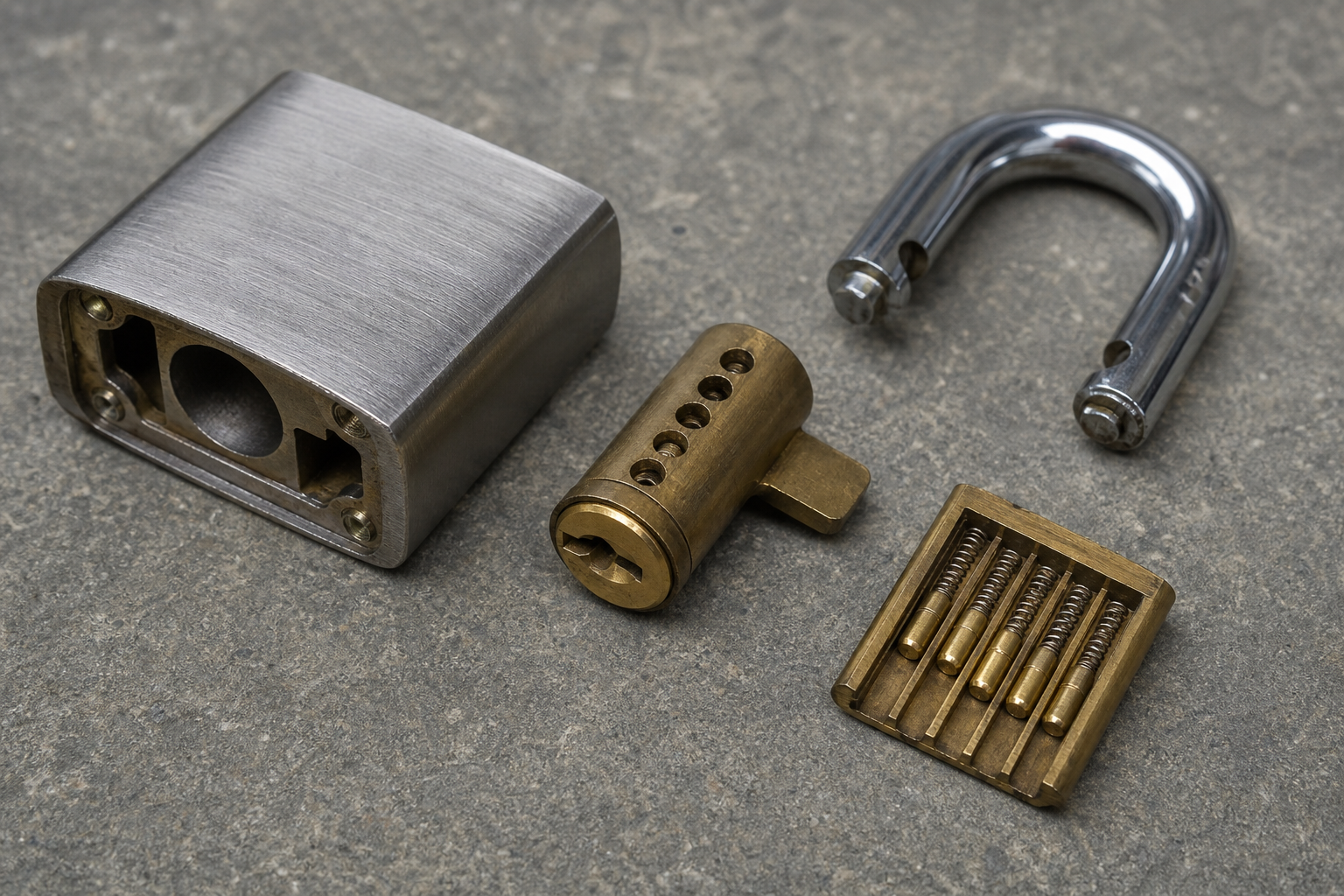
Point of View: If precision is non-negotiable, OEM is often worth the investment. At Yuefong, for instance, their internal mold shop offers precision to ±0.02mm, ensuring components fit seamlessly. This level of control is critical if your lock design includes complex mechanisms.
ODM: Off-the-Shelf Convenience
The ODM pathway trades customization for speed and ease. You purchase existing designs and brand them as yours. This is perfect if you need rapid market entry or lack R&D capabilities. However, you sacrifice uniqueness. Your product could be similar to others, limiting your competitive edge.
Opinion: For common use-cases like standard padlocks, ODM is often underestimated. Don’t overlook the value of modifications—opt for suppliers who offer slight tweaks to existing designs to better fit your needs.
JDM: Collaborative Innovation
JDM combines elements of both. You collaborate closely with the manufacturer from design to production, sharing both risks and rewards. This pathway often leads to innovation and can be less risky than OEM if your partner brings in significant expertise.
In joint ventures, shared objectives can drive faster problem-solving. However, clear communication and aligned goals are essential. This method suits companies with some technical capacity but in need of manufacturing innovation.
Experience Insight: I’ve seen project timelines halved through effective JDM collaborations by aligning technical teams early in the design phase. This was particularly effective for a client using Yuefong’s facilities, where direct factory access meant fewer guesswork and more actionable decisions.
Decision Drivers: What Most Buyers Get Wrong
Most buyers underestimate the power of thorough on-site audits. I once watched a buyer in Shanghai accept a contract without verifying if the factory was a true manufacturer or just a trading company. The result? A six-month delay because the actual production was outsourced.
Dilemma Highlight: Choosing between these manufacturing models often boils down to speed, control, and collaboration. Timing is a significant factor—Yuefong can prototype in 3-5 days, a speed that trading companies can’t match with their 45-60 day timelines.
A Quick Comparison: Know Before You Commit
| Aspect | OEM | ODM | JDM |
|---|---|---|---|
| Design Control | Full | Limited | Shared |
| Production Speed | Variable (depends on complexity) | Fast | Moderate |
| Customization Level | High | Low | Medium to High |
| Risk | Design and production complications | Lack of uniqueness | Shared (requires clear agreements) |
| Cost | Potentially high (custom designs) | Lower | Varies (depends on partnership) |
A Sharp Takeaway
So, what should you decide? Factor in your timeline, customization needs, and the level of control you desire. OEM offers unparalleled precision, but at the cost of time and investment. ODM can be a quick market entry solution but limits uniqueness. JDM fosters innovation through collaboration but demands solid partnerships.
Here’s a question to leave you pondering: Is your current supplier genuinely your best option, or is it time to explore new avenues that might better align with your evolving business needs?
Frequently Asked Questions
What specification thresholds should I consider for OEM vs ODM locks?
Consider precision levels. For example, Yuefong offers up to ±0.02mm for complex locks, crucial for high-security applications.
How do I avoid procurement pitfalls in choosing between OEM, ODM, and JDM?
Conduct thorough on-site factory audits to verify capabilities and ensure you’re not dealing with a middleman.
What standard compliances should I demand in lock manufacturing?
Look for certifications like ISO9001, CE, and RoHS to ensure the manufacturer meets global standards.
Secure Your Supply Chain with a True Source Factory
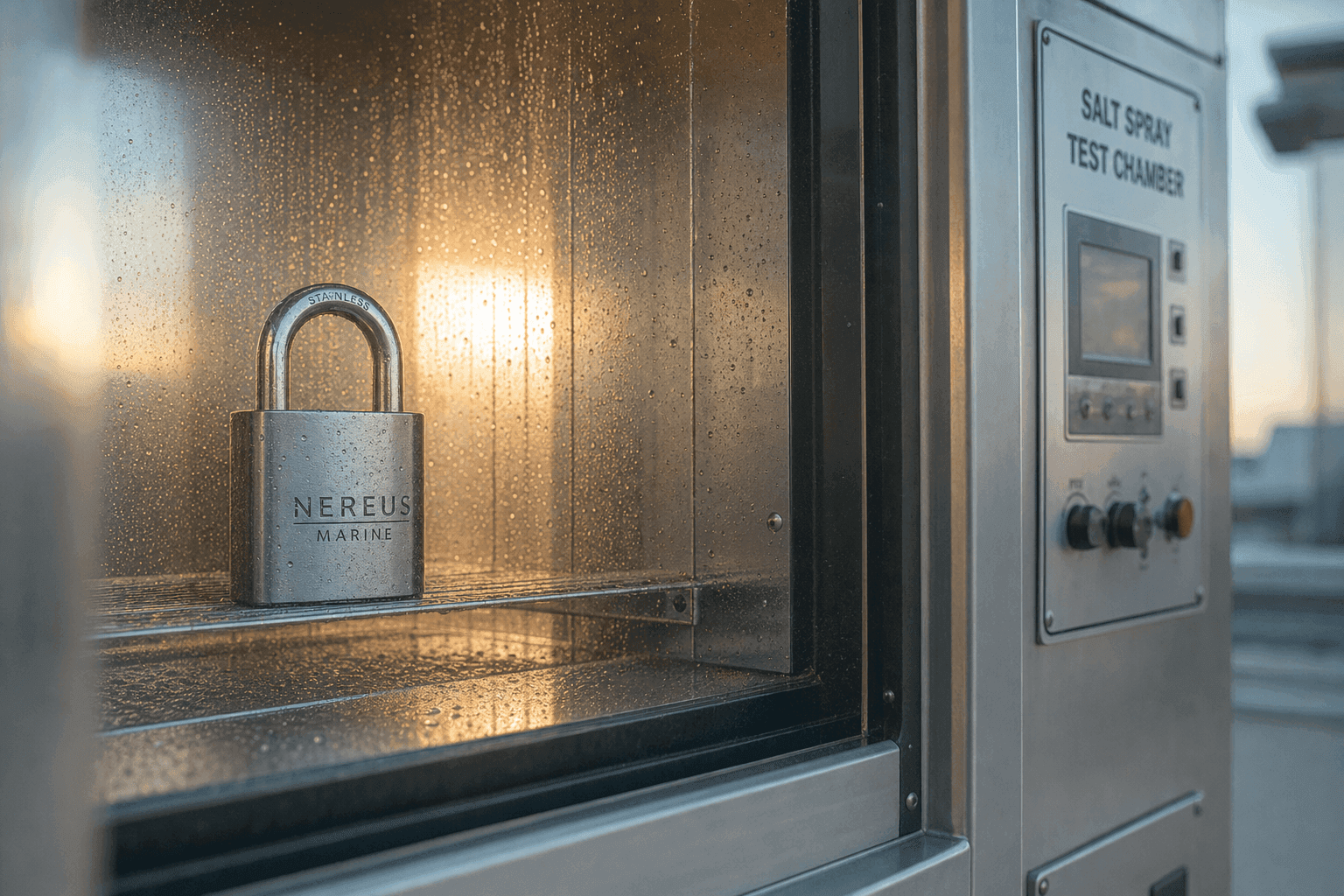
Yuefonglock’s 70,000㎡ facility offers 3-5 day rapid OEM quoting and 120-hour salt spray tested durability. Contact our engineering team today.