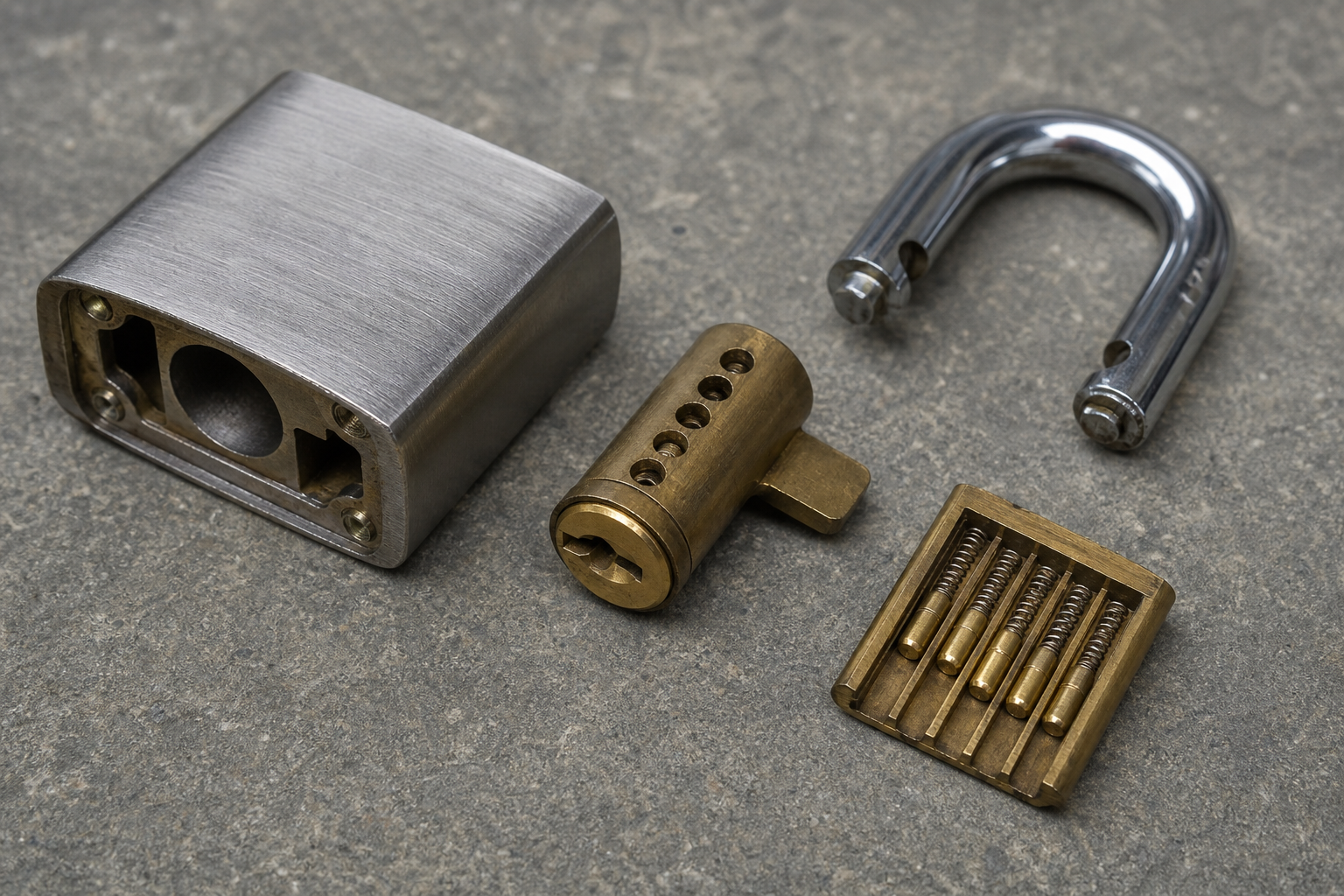
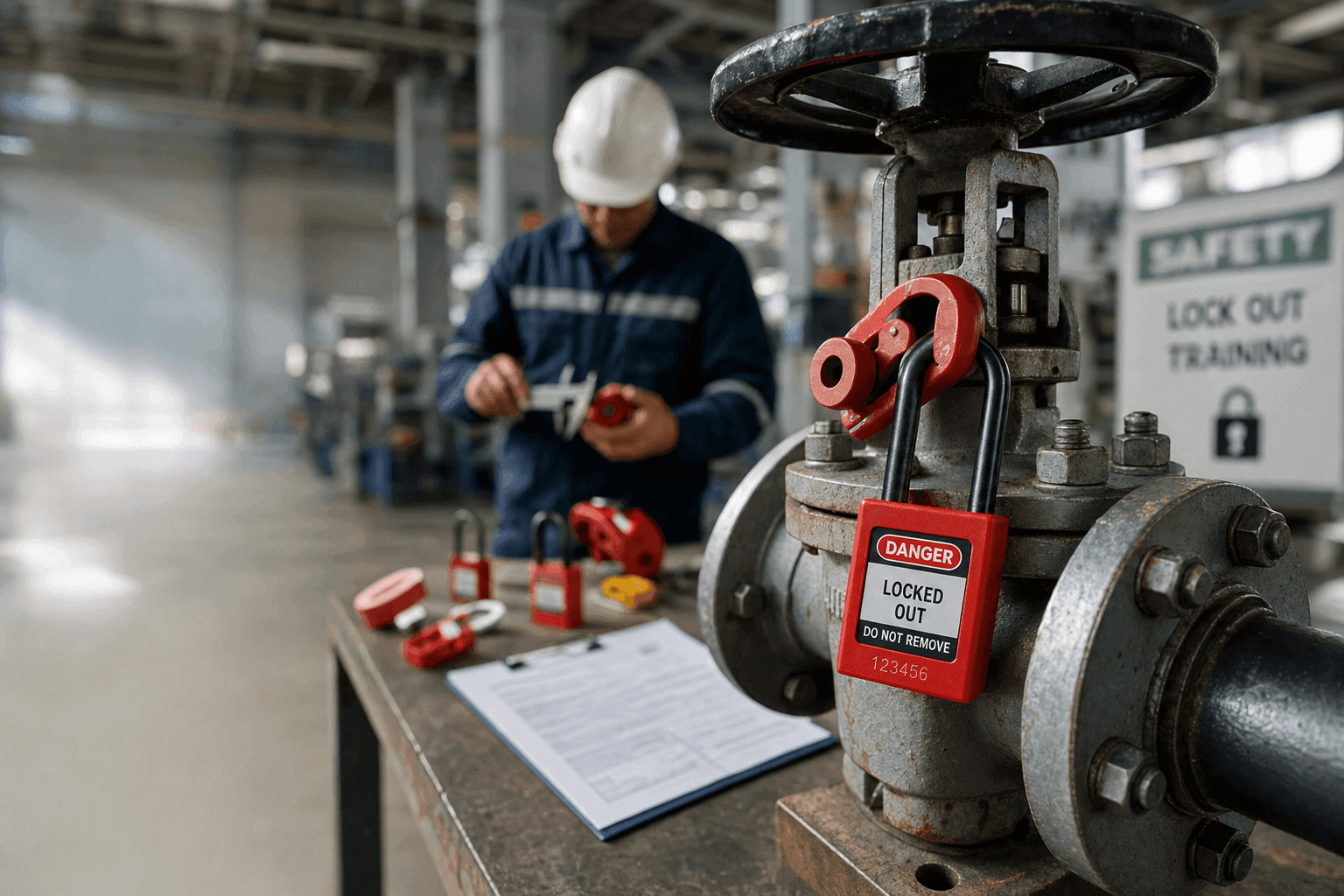
In a bustling industrial training room in an unspecified city, Claudio Luis employees were recently engrossed in a session on Lockout Tagout (LOTO) safety protocols. This training, reported by EHS Today, marks a significant step for the company in emphasizing operational safety. However, beyond the surface, what does this really mean for procurement professionals?
The article on Claudio Luis’s initiative, although brief, highlights a growing trend towards heightened safety standards in industrial settings. LOTO procedures are critical, preventing machinery from accidentally energizing during maintenance — a vital concern in environments where heavy-duty machinery is prevalent.
But the news piece leaves certain gaps that a seasoned procurement manager might find crucial. For instance, it doesn’t delve deeply into which specific safety protocols are being implemented or how these align with international standards. This missing information could be pivotal for someone deciding whether to source from a supplier that’s proactive about safety training.
A Deeper Dive
LOTO safety is not merely a checkbox for compliance; it directly influences the quality and reliability of the products. For a buyer, the assurance that a supplier understands and implements rigorous safety standards can translate into lower risk of production shutdowns. Consider a scenario where a factory’s lack of stringent LOTO practices led to an accident. Not only would this disrupt the supply chain, but it could also tarnish the buyer’s reputation for due diligence.
 Interestingly, the market lacks comprehensive data on how many suppliers in the security-hardware industry actively integrate LOTO training into their operations. This silence is telling. It suggests either complacency or competitive secrecy — neither of which is particularly comforting for buyers.
Challenging Conventional Wisdom
There’s a conventional belief in the industry that LOTO training is a ‘good-to-have’ rather than a ‘need-to-have’. I disagree. Safety incidents, although less frequent than quality failures, can have devastating impacts — financially and operationally. Why aren’t more procurement heads demanding transparent safety training records from their suppliers?
The Procurement Angle
For procurement professionals, adopting a more rigorous approach towards evaluating potential suppliers on their safety protocols could be transformative. Imagine being a procurement manager who rejects a potential contract because the supplier couldn’t provide tangible proof of their LOTO safety practices — it might initially seem extreme, yet it’s aligned with fostering a reliable and uninterrupted supply chain.
Yuefong, for context, offers multi-tier salt spray testing alongside a rapid quote and drawing turnaround, showcasing their commitment beyond just LOTO. But remember, correct vendor selection often hinges on these nuanced details which are easy to overlook.
Looking Forward
This move by Claudio Luis highlights the broader industry shifts towards safety, but it also begs the question: will others follow suit? Or will we see a divide between those who prioritize these standards and those who merely pay lip service?
Procurement professionals must ask themselves: is safety truly embedded in the culture of the suppliers they trust, or is it just another bullet point in a polished presentation? In a world increasingly conscious of safety and reliability, can your supply chain afford to be left behind?
The industry waits to see if initiatives like this set a precedent or remain isolated efforts. One thing is clear — a robust LOTO protocol today is not just about safety; it’s about seizing a competitive edge.
Frequently Asked Questions
How does LOTO training impact supply chain reliability?
Proper LOTO training minimizes accidental machinery energizing, reducing operational disruptions.
Are there international standards for LOTO safety?
Yes, standards like OSHA’s LOTO requirements guide safety protocols globally.
How can procurement professionals verify a supplier’s LOTO practices?
Demand documented proof of training, certifications, and past safety audits from suppliers.
Need an OEM Lock Partner?
Yuefong Lock is an OEM/ODM lock manufacturer. Contact us.