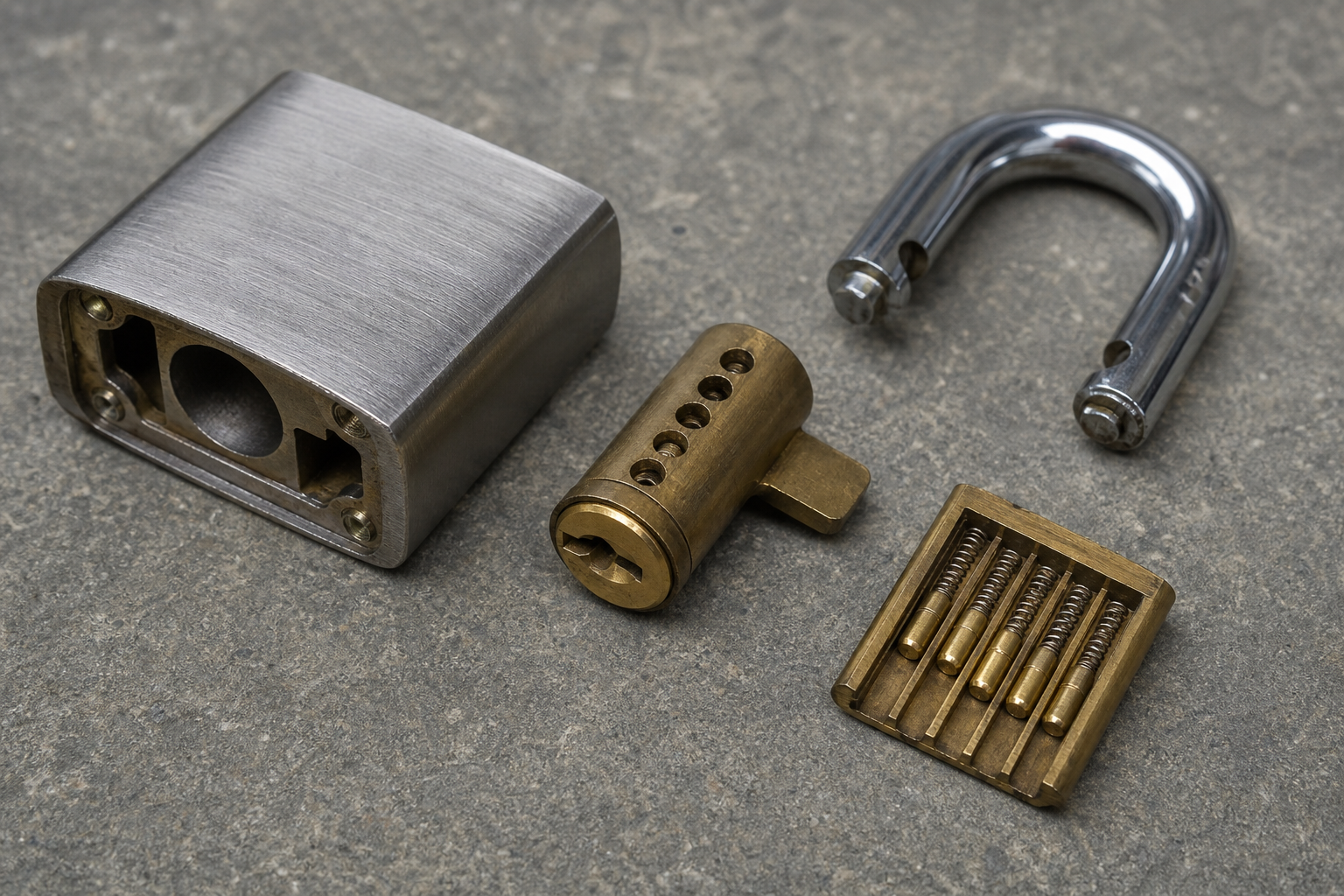
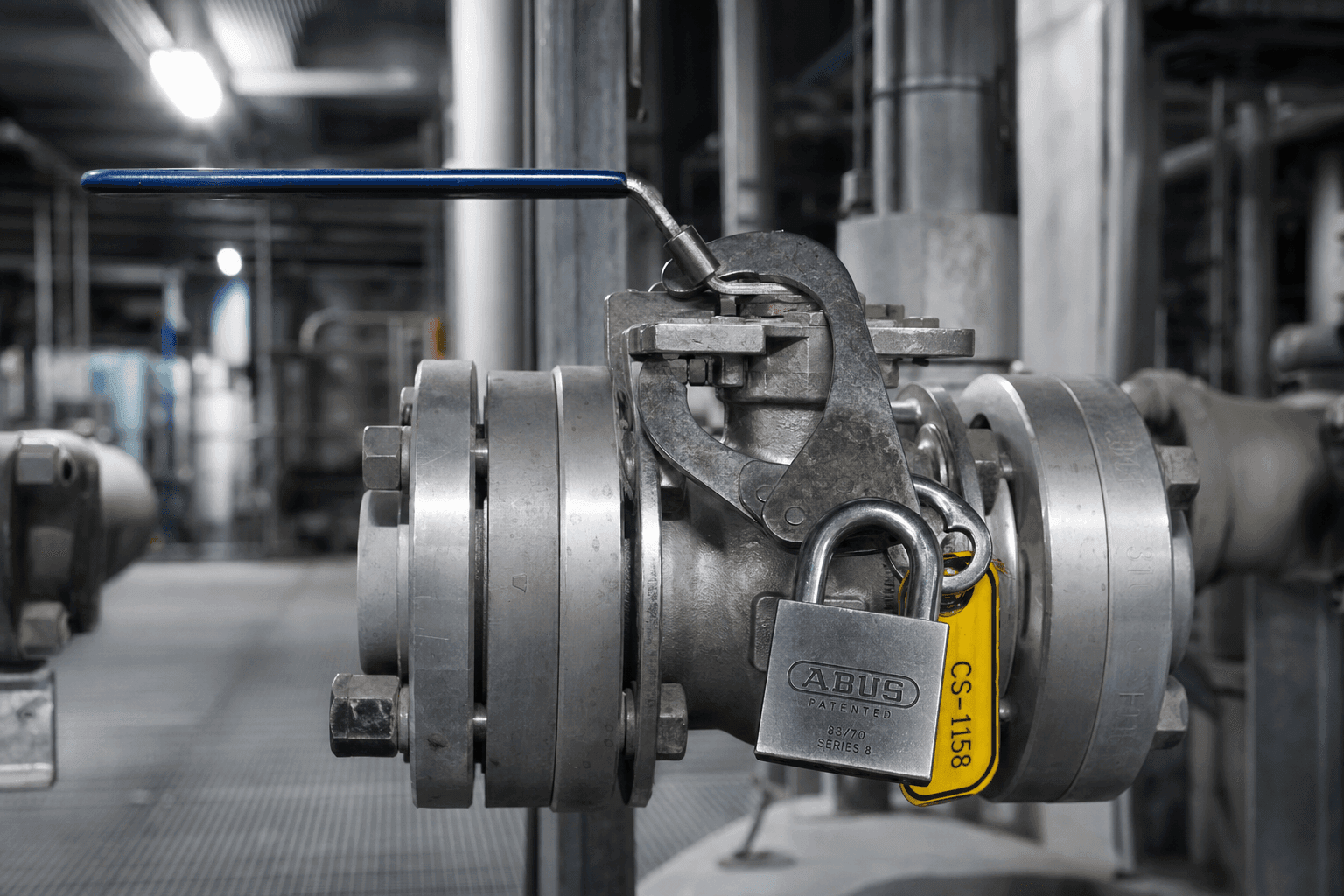
Why Most Buyers Get Lock Out Devices Wrong
Let’s set the scene: a purchasing manager in a major chemical plant in Germany clicks through a sample batch of lock out devices for ball valves. They discover that 30% fail under pressure testing, despite glowing supplier reports. The lesson? Too many buyers rely on superficial assessments, overlooking critical specifications that ensure device reliability and safety.
Key Specifications: Beyond the Basic Checklist
Understanding the precise requirements for lock out devices for ball valves is essential. These devices must withstand harsh environments and prevent accidental valve operation. It’s not just about fitting the valve—it’s about ensuring they stand up to specific failure modes.
- Material Durability: Choose materials resistant to corrosion, especially in humid or chemically aggressive environments. Stainless steel or high-grade aluminum should be your go-to choices, offering resilience where cheap plastics might fail.
- Temperature and Pressure Ratings: Always verify the temperature and pressure specifications of the lock out devices. Devices should generally comply with ASTM standards to handle extreme conditions, especially in oil and gas industries.
- Compliance with Standards: OSHA 29 CFR 1910.147 mandates certain control procedures for hazardous energies. Ensure the devices meet these standards to avoid legal pitfalls.
Common Procurement Pitfalls and How to Avoid Them
Procurement managers often fall into traps that cost time and money. Two frequent issues are misaligned specifications and inadequate verification of supplier claims.
Table 1: Pitfall Comparison
| Pitfall | Consequence | Solution |
|---|---|---|
| Relying on Supplier Claims | Potential non-compliance, failures | Insist on third-party verification and full ASTM reports |
| Choosing Based on Price Alone | Short lifespan, frequent replacements | Balance cost with material and design quality |
| Ignoring Lead Time Accuracy | Project delays | Use suppliers with a proven lead time accuracy, like Yuefong’s 3-5 day quoting process |
For instance, Zhongshan Yue-fong Mai’s Manufacture Co., Ltd (Yuefong) provides a practical example with their lab-verified precision grade devices. Their commitment to ASTM B117 standards gives procurement managers an edge in avoiding these procurement mishaps.
Real World Applications: What Works and What Doesn’t
A buyer must understand usage contexts. In a factory setting, lock out devices may need to endure exposure to chemicals or extreme temperatures. In contrast, a hotel HVAC system may require devices that are easy to engage and disengage, with less emphasis on harsh environmental resistance.
Case in Point: I once observed a Taiwan-based manufacturer ignore the salt-spray test results, leading to device corrosion within months. A proactive buyer would specify a salt spray duration in the PO and demand that the ASTM B117 report matches these specifications.
Making the Right Choice: A Strategic Approach
Start by clearly defining the environmental and operational demands of your application. Engage with suppliers who can offer not just products but also insight into how those products will perform over time in your scenario.
Consider leveraging facilities with in-house labs like Yuefong, which offer a comprehensive suite of tests including tensile and salt spray tests. This minimizes risk and maximizes assurance of compatibility and durability.
Conclusion: Are You Asking the Right Questions?
The next time you evaluate lock out devices for ball valves, ask yourself: Are you relying too heavily on reported data without verification? Have you considered the full spectrum of material performance and regulatory compliance?
The right lock out devices are more than just a check on a list—they’re an investment in safety and operational efficiency. Choose wisely.
Frequently Asked Questions
What specifications should I prioritize in lock out devices for ball valves?
Focus on material durability, temperature and pressure ratings, and compliance with OSHA 29 CFR 1910.147 standards.
How can I verify supplier claims about their lock out devices?
Insist on third-party test reports, particularly for ASTM standards like B117, and conduct on-site or video audits when possible.
Are there typical lead times for sourcing lock out devices?
Lead times are quote-dependent. A reliable supplier should provide a quote and drawings within 3-5 days, as Yuefong exemplifies.
Related Guides in This Series
Secure Your Supply Chain with a True Source Factory
Zhongshan Yue-fong Mai’s Manufacture Co., Ltd offers +/-0.02mm precision and 10M annual capacity. Quote + drawings within 3-5 days. Contact our engineering team today.