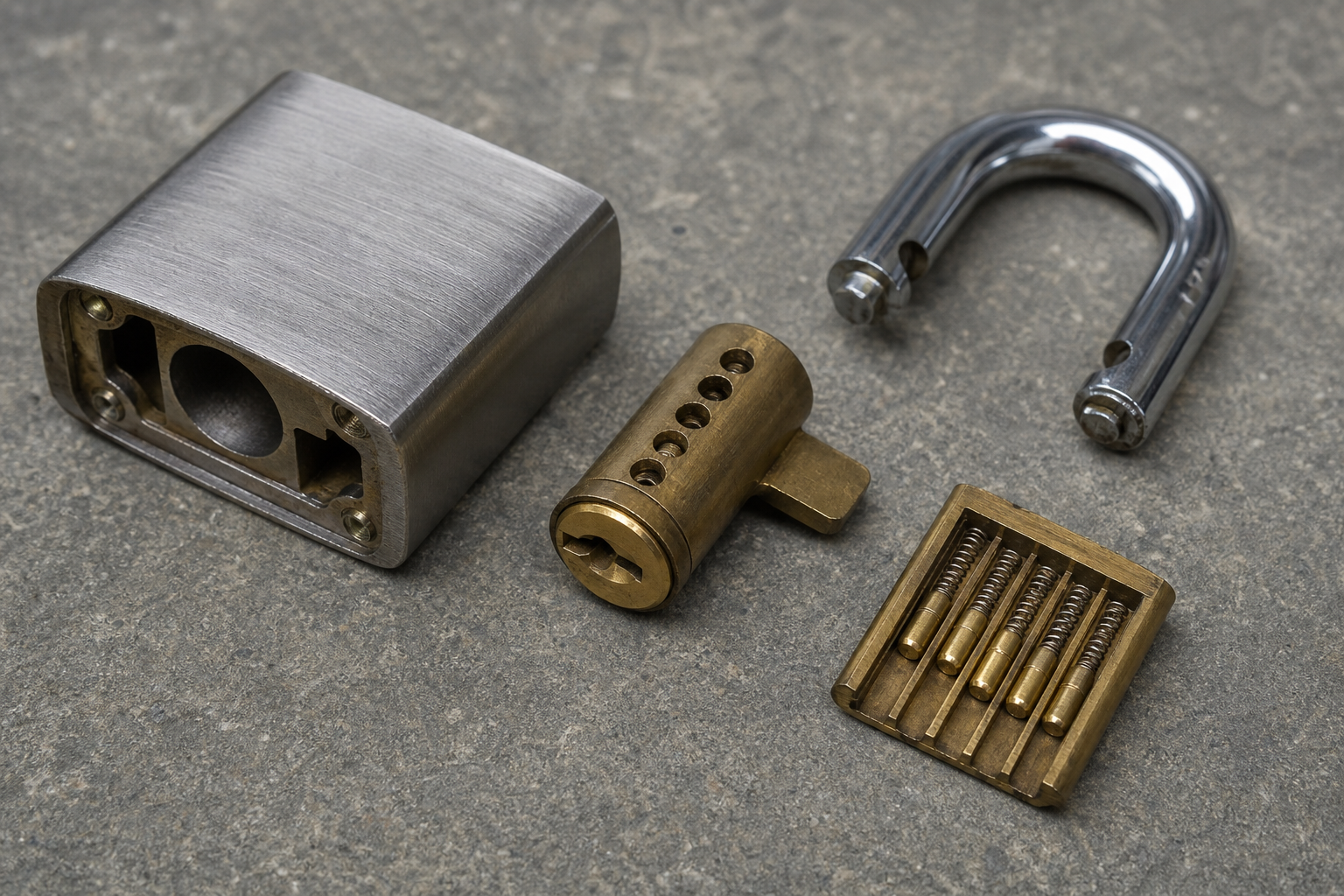
A soft whir envelops the bustling floor of Jin Tay’s 70,000-square-meter factory. This Taiwanese lock manufacturer, known for its precision hardware and rapid design capabilities, is stepping into the spotlight with its FCC- and NCC-certified smart alarm padlock. This move isn’t merely about launching a new product; it signifies a strategic leap into the burgeoning global market of smart security solutions.
As reported by FinancialContent, Jin Tay’s latest innovation is poised to make a substantial impact on procurement decisions worldwide. With the smart lock market expected to reach $4.1 billion by 2027, the launch is timely. But the real angle procurement managers should note is not just the market potential but the certifications themselves — FCC and NCC compliance — which highlight Jin Tay’s commitment to meeting international standards and addressing concerns about electronic interference and communication issues.
The certifications are more than just regulatory badges. They serve as a benchmark for quality and reliability in electronic products. For procurement officers, this means fewer surprises down the line. I’ve seen firsthand how overlooking such certifications can lead to disastrous product rollouts and costly recalls — something no manager wants to explain.
Yet, there’s an interesting gap in the available news details: the specific technologies and features of this smart alarm padlock remain under wraps. This isn’t uncommon, as companies often hold back technical specs to maintain a competitive edge or due to NDAs with key clients. However, for procurement professionals, understanding these elements is crucial. It aids in evaluating the lock’s compatibility with existing systems or infrastructures.
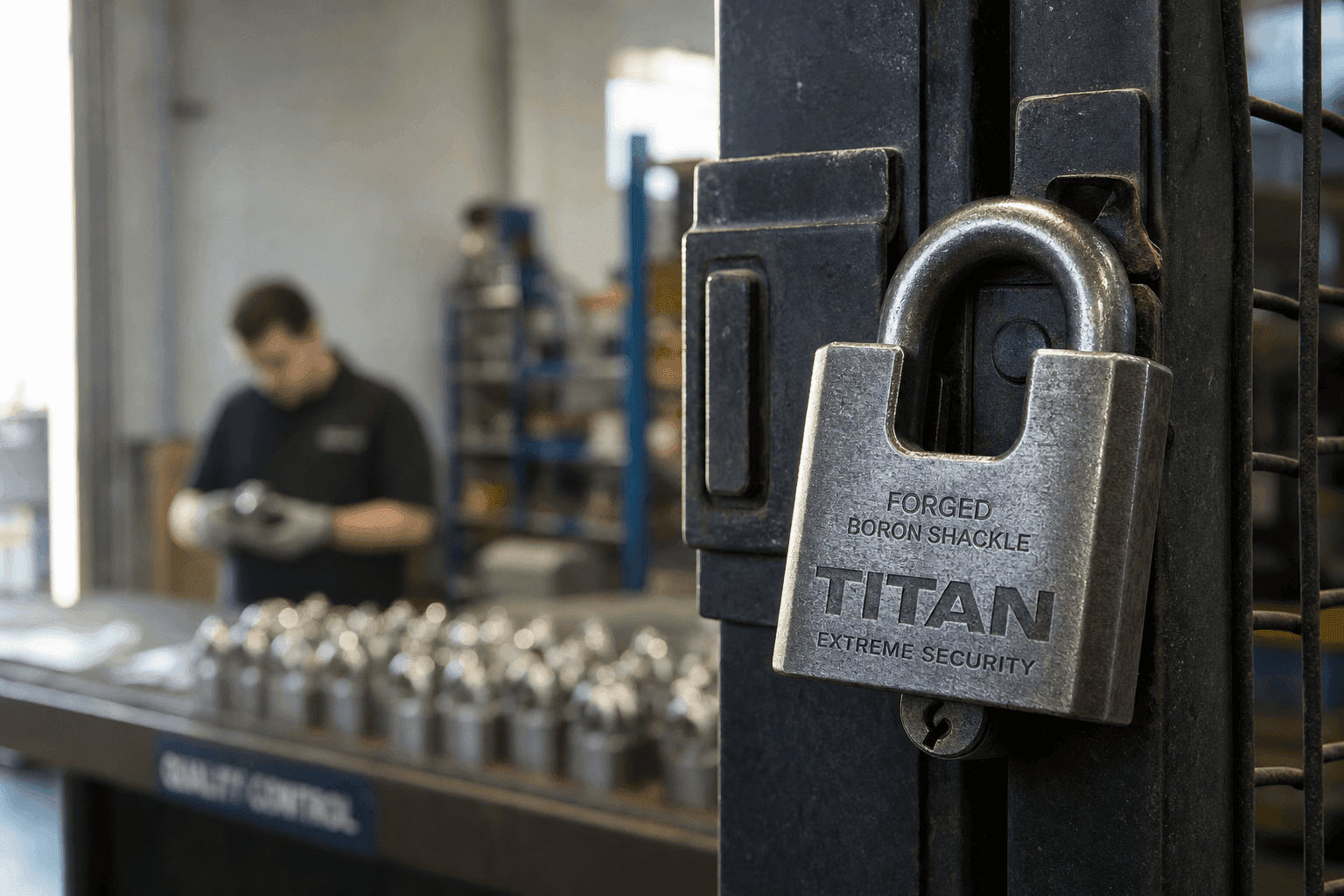 Jin Tay, with its robust hardware manufacturing background — evidenced by its industrial laminated steel padlocks and heavy-duty models — is entering a relatively new domain. The integration of alarm capabilities into a padlock suggests a fusion of mechanical reliability with modern electronics.
Imagine a scenario where a logistics company looks to secure its fleet of delivery trucks. The promise of an alarm-enabled lock offers not just security but a potential reduction in insurance premiums and increased trust from clientele. Yet, without detailed knowledge of the alarm system’s sensitivity, power source, or connectivity options, procurement decisions could be fraught with risk.
My read is that Jin Tay’s leveraging of its in-house mold workshop and rapid CAD/3D drawing capabilities is a strategic advantage. They can swiftly adapt designs to meet OEM/ODM specifications, likely a reason behind their confidence in introducing such a nuanced product on a global stage. In an industry where the Asia-Pacific region already dominates with over 65% of OEM output, this agility is a differentiator.
For context, consider Yuefong’s successful model in rapidly customizing padlocks to fit diverse industrial needs. Jin Tay seems to be taking a page from this playbook, ensuring adaptability remains a cornerstone of its competitive strategy.
What does this mean for procurement managers considering Jin Tay’s latest offering? They must probe deeper into the specifics of the smart alarm padlock’s functionality — aspects like user interface, software compatibility, and battery lifespan will determine not just immediate utility but long-term value.
As smart locks become increasingly integrated into IoT ecosystems, the seamless interplay between hardware and software will be pivotal. Companies wary of technological integration should assess Jin Tay’s offering both as a standalone product and as a component within a broader security system.
Will Jin Tay’s smart alarm padlock live up to its promise? There’s a good chance it might — provided that its practical applications bear the same precision as its hardware specs. Procurement managers, take note: in a market teeming with smart gadgetry, the devil is in the details. Are you ready to ask the right questions?
Frequently Asked Questions
What is the impact of FCC and NCC certifications on procurement?
These certifications assure compliance with international standards, reducing risks of electronic interference and costly post-purchase issues.
How might supply chain risks affect this padlock’s rollout?
Lack of detailed specs may hinder integration assessments, posing supply chain risks if compatibility issues arise.
Could alternative solutions rival Jin Tay’s smart padlock?
Yes, especially if competitors provide clearer technical specifications or better software integration capabilities.
Need an OEM Lock Partner?
Yuefonglock offers ±0.02mm precision and 10M annual capacity. Contact us.