IP Ratings for Outdoor Padlocks: IP65 vs IP68
IP ratings are a classification that indicates the level of protection a device has against solids and liquids. For procurement managers, understanding IP ratings is essential for making informed purchasing decisions, particularly for padlocks used in challenging environments.
This article examines the differences between IP65, IP67, and IP68 ratings, emphasizing their relevance on construction sites, marine docks, and oil & gas valves.
Decoding the Basics of IP Ratings
IP ratings are defined by the International Electrotechnical Commission (IEC) under the IEC 60529 standard. These ratings are crucial for specifying the degree of protection offered by enclosures against intrusion, dust, accidental contact, and water. For example, IP65 denotes that the product is completely dust-tight and protected against water jet spray from any direction, but not immersion.
The IP rating system uses two digits; the first digit represents the level of protection against solid objects, and the second digit denotes resistance to moisture. Understanding these numbers can help procurement specialists determine the appropriate level of protection required for padlocks in specific environments.
Differentiating Between IP65, IP67, and IP68 at Construction Sites
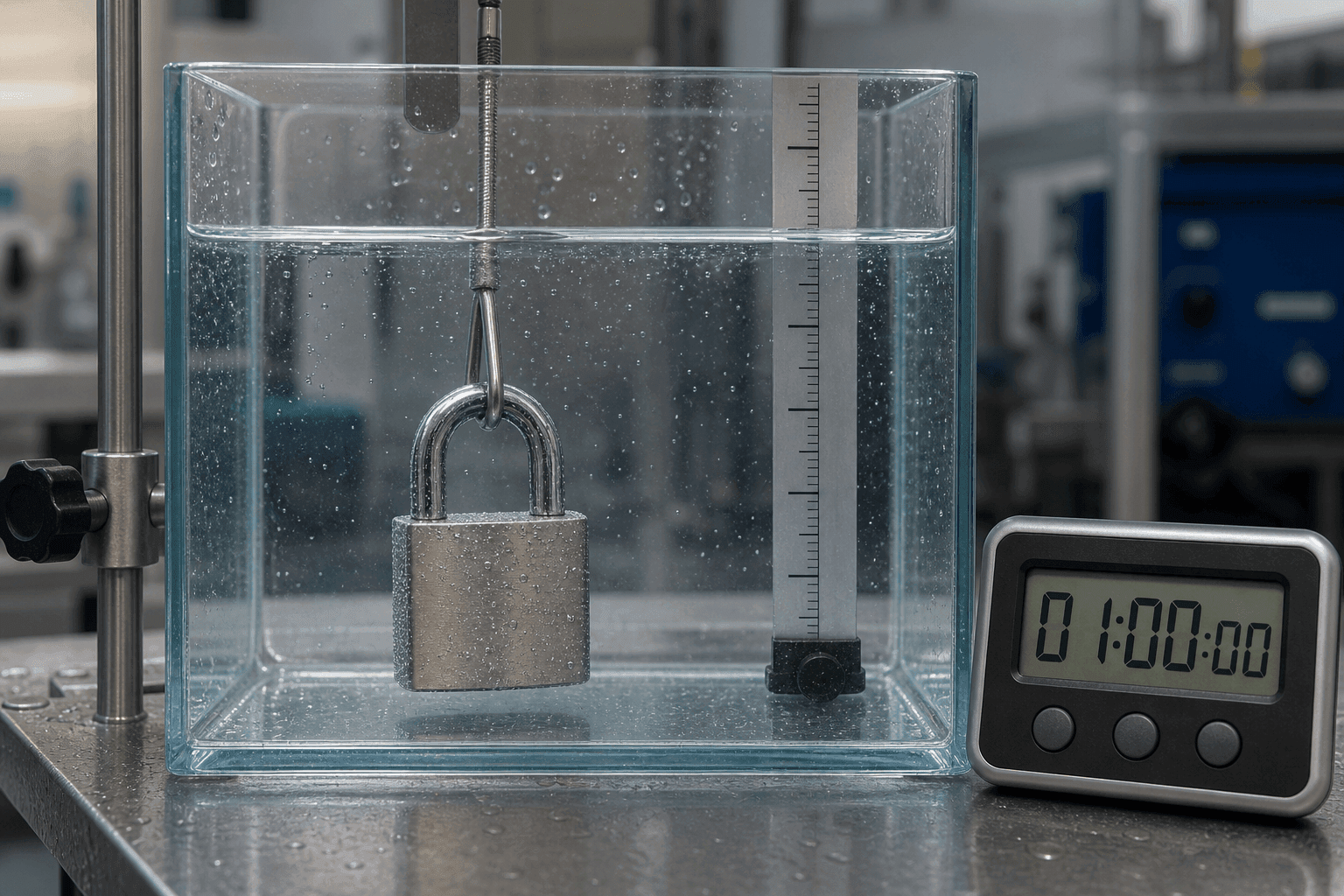
At construction sites, conditions are often harsh with exposure to dirt, debris, and varying weather conditions. An IP65-rated padlock can withstand dust and rain, offering basic protection. However, IP67 provides more robust protection, withstanding temporary immersion up to 1 meter for 30 minutes, per IEC guidelines. This makes IP67 padlocks a better choice for much harsher environments.
The enhanced protection of IP67-rated locks means they can withstand adverse conditions like heavy rain or submersion in muddy water. Therefore, for procurement at construction sites requiring temporary immersion capability, IP67 is preferable over IP65.
Importance of IP68 for Marine and Oil & Gas Settings
In marine and oil & gas industries, exposure to water is more constant and intense. Here, IP68-rated padlocks are essential as these locks can be submerged beyond 1 meter indefinitely, depending on manufacturer specifications. This high level of water resistance makes them suitable around marine docks and oil platforms, where equipment is continuously exposed to water.
In such demanding applications, padlocks with IP68 ratings ensure longevity and reliability, reducing the frequency of replacements and thus operating costs. International standards like SASO and certifications from bodies such as the ISO ensure these products meet stringent global requirements.
Explore our comprehensive padlock and smart security solutions for OEM/ODM requirements.
Construction and Design Considerations
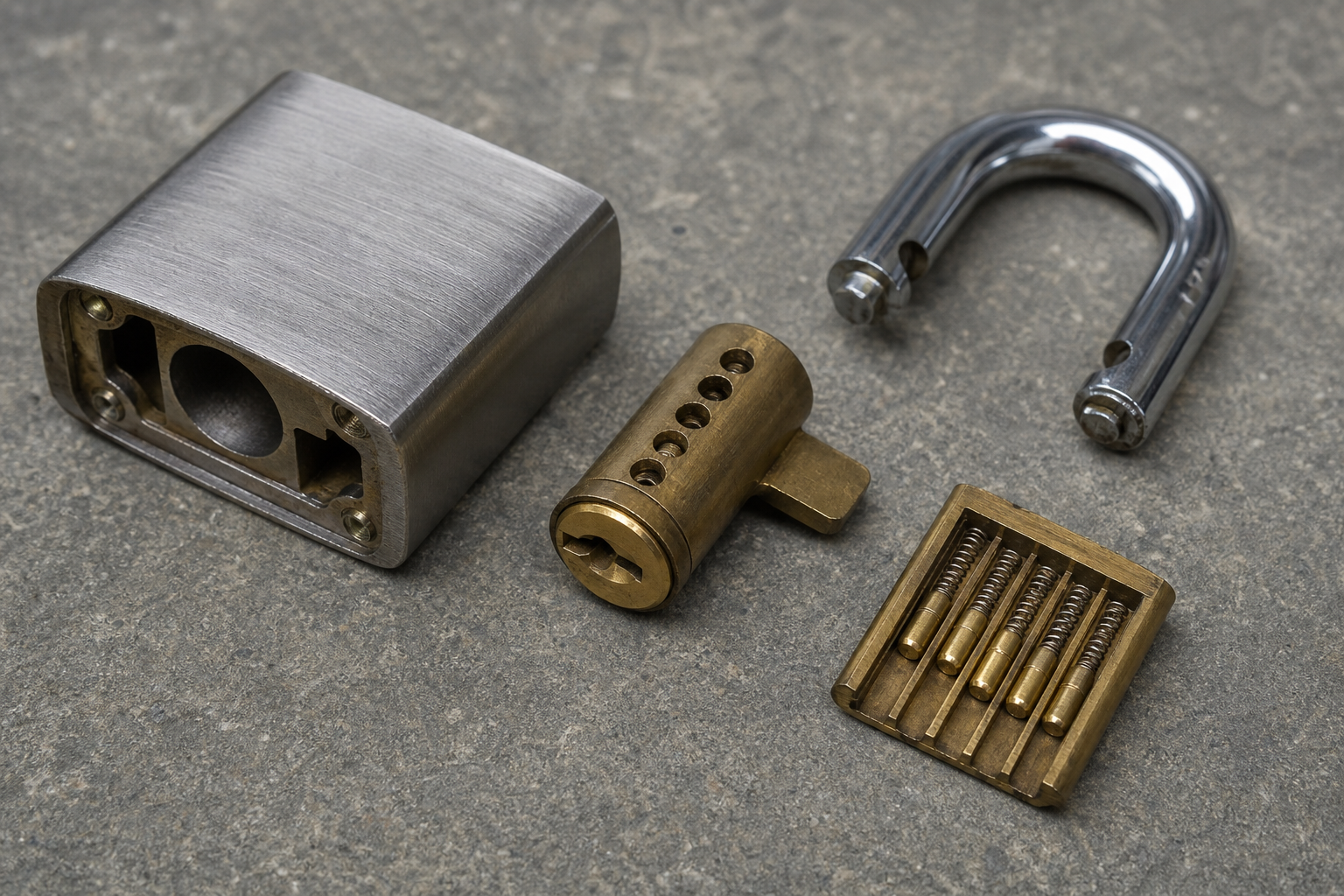
The construction of the padlock itself also plays a critical role in its performance. While gaskets are used in IP65 padlocks to prevent moisture entry, IP67 and IP68-rated locks may require sealed construction to ensure complete protection.
Manufacturers like Yuefong Lock in Jiangmen utilize advanced techniques such as in-house mold workshops to produce padlocks that adhere to these rigorous standards. This capability allows for tighter quality control and faster prototyping, enabling rapid response to market demands and ensuring that the padlocks meet specified tolerance rates, crucial for their performance in extreme conditions.
Frequently Asked Questions
What does an IP65 rating indicate for padlocks?
IP65 means the padlock is protected against dust ingress and water jet spray from any direction, but not immersion.
Where are IP68-rated padlocks most beneficial?
IP68-rated padlocks excel in marine and oil & gas environments due to their ability to withstand prolonged water immersion.
How does IP67 differ from IP65 in practical use?
IP67 offers protection against dust and can endure temporary water immersion, while IP65 only guards against dust and water spray.
Industry References
Version 1.0 — Published July 20, 2026 · Editorial review window: 90 days