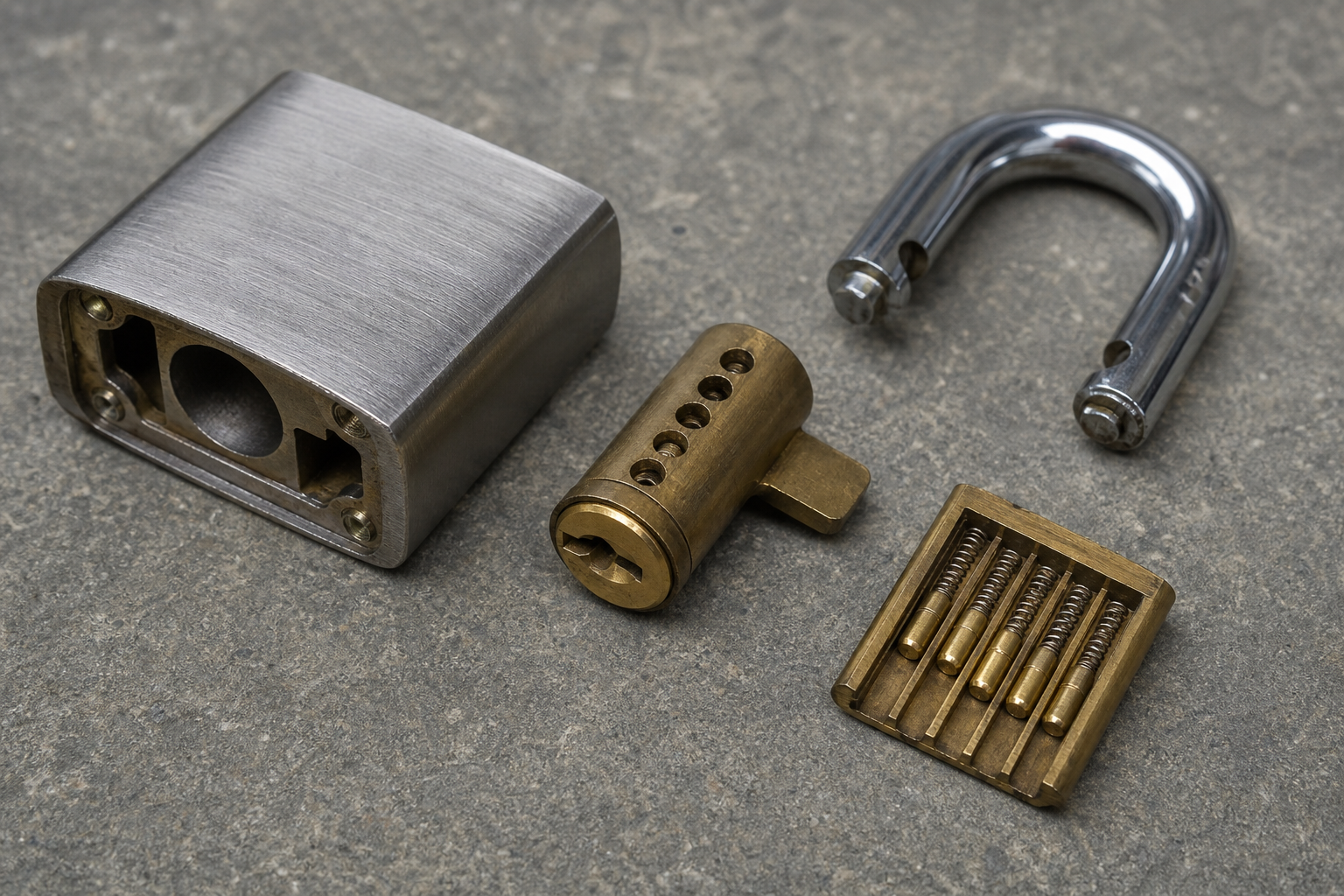
In the world of outdoor security hardware, every component matters. Just one weak link can compromise an entire system. According to a report from TechBullion, choosing outdoor locking hardware like padlocks, chains, and hasps isn’t merely about finding a visual match but about ensuring durability and functionality in harsh conditions. But what does this mean for procurement managers?
The article emphasizes the importance of considering weather resistance, shackle protection, and fixing strength, without which your security setup might crumble at the weakest point. What’s often overlooked, and what procurement specialists should zero in on, is the dynamic nature of these systems. A padlock doesn’t function in isolation—it’s part of an intricate system that requires each part to withstand similar stresses.
One of the key insights here is that a simple misalignment can escalate into significant hardware failure. For instance, a stiff handle might suggest a faulty lock, but it could be due to a misaligned frame or a worn keep. This kind of chain reaction is exactly why a comprehensive assessment of the entire security system is crucial before making replacements.
Consider the situation of a common procurement misstep: buying an oversized padlock for a delicate hasp. The immediate impact might be a visible mismatch, but the real danger is the gradual wear and increased force required to operate the system. Over time, I’ve seen situations where this oversight leads to broken screws and bent mechanisms, incurring additional costs and downtime.
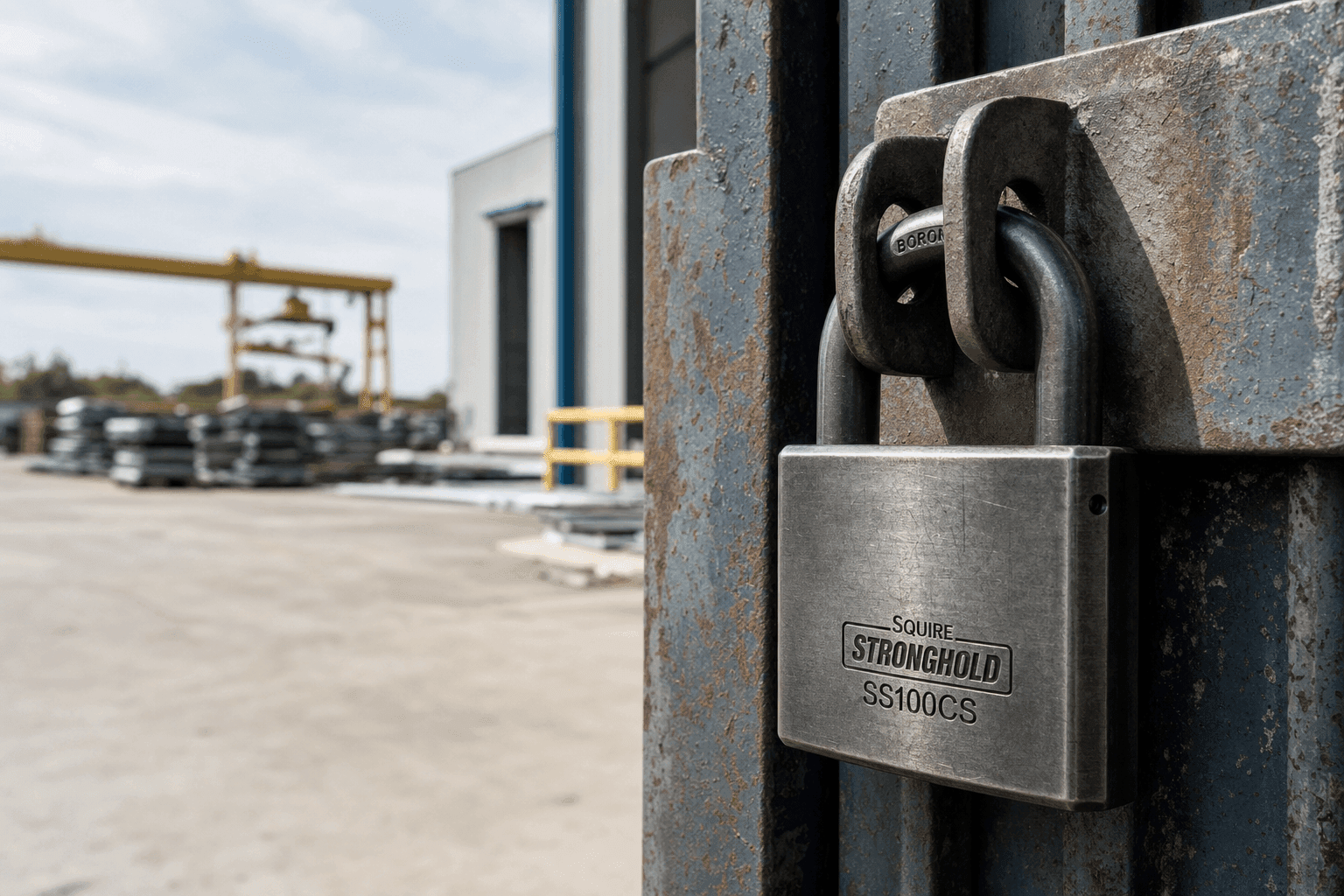 The report wisely suggests recording all measurements before removing old hardware, from shackle diameters to chain link thickness. However, there’s more to it—understanding why the old part failed can help avoid repeating mistakes. If a part has visible signs of force or wear, it’s likely that the issue extends beyond just the padlock or chain.
Now, why should this matter to a procurement manager? The answer lies in prevention. Avoiding systemic failures starts with informed purchasing decisions. If you rush and pick a part based solely on appearance, you’re inviting future operational inefficiencies. The challenge is balancing strength across every element of the security setup.
This brings us to an interesting point. While TechBullion’s article details the process of selection meticulously, it stops short of addressing the broader implications of these choices on supply chains. Outdoor security hardware isn’t just about locking things up; it’s about ensuring operational uptime. A single failure can halt operations, leading to substantial losses.
For context, look at a company like Yuefong, where precision (±0.02mm) and rigorous testing (120-hour salt spray tests) are standard. Such advancements highlight the industry’s potential for producing reliable, weather-resistant components, yet many buyers still opt for cheaper alternatives without considering long-term costs.
The takeaway here is clear: cutting corners might offer short-term savings but can lead to exponential repair costs. What procurement managers need is not only a good eye for specs but also a strategy that incorporates the hidden costs of mismatched components.
Next time you’re evaluating padlocks, chains, and hasps, consider how each component interacts. Does it align with the door’s function? Are the dimensions compatible, and is the finish suitable for the environment? The future of procurement in this space isn’t just about buying parts; it’s about understanding systems and ensuring their resilience in all conditions.
What choices will you make next time you’re faced with an urgent hardware replacement? Will you take the time to measure, assess, and align, or will you gamble on a quick fix?
This critical attention to detail—and the foresight to see how each decision impacts the wider system—could make the difference between a secure, efficient operation and a series of costly, avoidable failures.
Frequently Asked Questions
What is the impact of mismatched padlock components?
Mismatched components can lead to mechanical strain, damage, and increased operational costs over time.
How can procurement managers avoid unnecessary part replacements?
By ensuring proper alignment and assessing the full lock system rather than isolated parts.
What should be considered when testing new outdoor security hardware?
Consider how components interact within the system and test under both open and closed conditions for alignment issues.
Need an OEM Lock Partner?
Yuefonglock offers ±0.02mm precision and 10M annual capacity. Contact us.