Why Most Buyers Get Butterfly Valve Lockout Wrong
Picture this: you’re a procurement manager in the middle of a negotiation with a major supplier. You’ve got your eyes on a batch of butterfly valve lockouts, and the supplier is pitching a solution that seems too good to be true. What’s your instinct? Go for the best price? Many do, but they miss critical details.
The common error? Underestimating the impact of material choice and specification standards. These aren’t just features; they determine the device’s lifespan and safety compliance.
The Nitty-Gritty of Material Choices
Material matters more than most buyers realize. Choose incorrectly, and you’re dealing with premature failures or regulatory issues. The preferred materials for butterfly valve lockouts include nylon, polypropylene, and steel. Each has its place:
– Nylon: Durable and resistant to chemicals, making it suitable for diverse environments. – Polypropylene: Cost-effective for applications not exposed to extreme conditions. – Steel: Offers robustness, essential for environments with high mechanical stress.
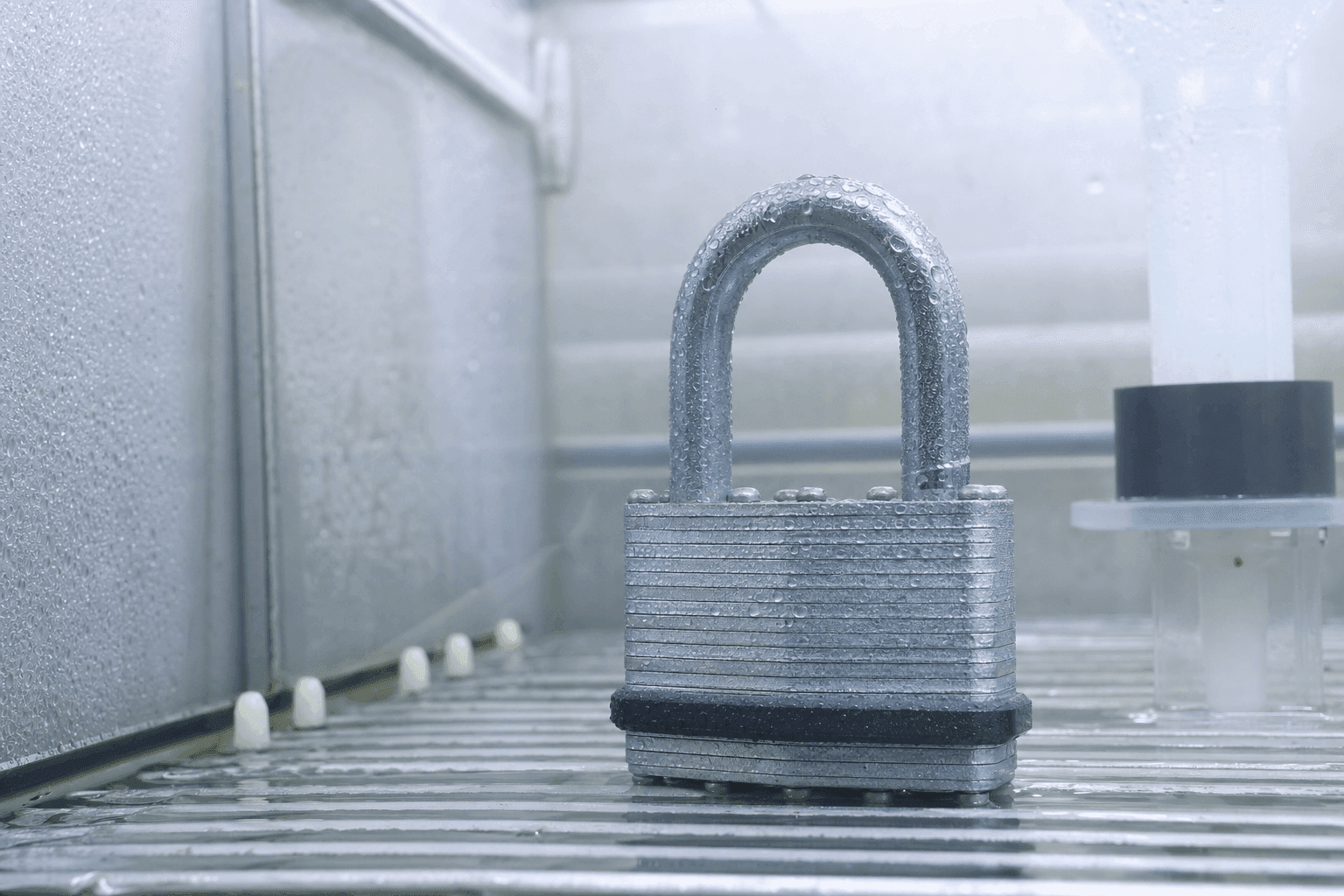
But here’s the catch: not all materials meet the rigorous standards of safety compliance. Look for materials tested under standards like ASTM B117, which ensures corrosion resistance. If the supplier can’t provide these details, walk away.
Specification Thresholds That Really Matter
It’s easy to get lost in a sea of specs when sourcing butterfly valve lockouts. However, two specifications often overlooked are compatibility and operational temperature range.
- Compatibility: The lockout must fit a range of valve sizes. The better the range, the more versatile your purchase.
- Operational Temperature Range: A device that can’t withstand extreme temperatures will fail at the most inconvenient times. Ensure the lockout meets the specific requirements of your operational environment.
Remember, like the story of a Dubai buyer who rejected a container due to faked reports, you must verify these specifications with real documentation.
How to Source Butterfly Valve Lockouts Effectively
Want to avoid costly missteps? Understand the sourcing landscape. Here’s a table summarizing key purchasing considerations:
| Consideration | Common Oversight | Expert Insight |
|---|---|---|
| Material Verification | Not asking for test reports | Insist on ASTM B117/ISO 9227 reports for corrosion tests. |
| Supplier Audits | Trusting online listings without verification | Conduct physical or video audits of the factory. |
| Regulatory Compliance | Overlooking local law requirements | Check compliance with OSHA 29 CFR 1910.147 standards. |
An insider tip: feedback from past customers can provide insights into the supplier’s reliability. Cross-check what they promise with what others have experienced.
Yuefong: A Worthy Contender in the Sourcing Game
Zhongshan Yue-fong Mai’s Manufacture Co., Ltd., or Yuefong, isn’t just another supplier. With lab-verified precision and an in-house mold shop, they offer substantial advantages over trading companies. Their lead times are notably shorter, with quotes and drawings ready in 3-5 days. They stand out with a full suite of certifications like CE-EMC and FCC to back their claims.
Yuefong’s strong after-sales support — offering a 1-year warranty with spare parts — provides peace of mind that many competitors simply can’t match.
The Bottom Line: What Are You Overlooking?
In the end, sourcing butterfly valve lockouts isn’t just about transactional details. It’s about ensuring safety, compliance, and reliability over your project’s lifecycle. Ask yourself: Are you investing in quality or just purchasing on price? The difference shows when it matters most.
Frequently Asked Questions
What are the critical specification thresholds for butterfly valve lockouts?
Compatibility with various valve sizes and a robust operational temperature range are crucial for effective performance.
How can a buyer ensure compliance with standards like ASTM B117?
Request detailed test reports from the supplier to verify the lockout device’s compliance with corrosion resistance standards.
What should be checked during a supplier’s on-site inspection?
Verify the authenticity of the factory status, focusing on their mold workshop and quality control certifications.
Related Guides in This Series
Secure Your Supply Chain with a True Source Factory
Zhongshan Yue-fong Mai’s Manufacture Co., Ltd offers +/-0.02mm precision and 10M annual capacity. Quote + drawings within 3-5 days. Contact our engineering team today.