When Safety Hinges on the Right Lockout Device
I once watched a factory manager in Germany scrutinize a batch of lockout devices. It only took one failed tension test for him to reject the shipment outright. His point was clear: in an environment where a valve failure could endanger lives, there is no room for subpar equipment.
When selecting a butterfly valve lockout device, we’re not just talking about a piece of hardware; it’s a frontline defense in managing safety risks. Many procurement managers overlook crucial specification details, which can result in safety lapses and costly replacements.
Understanding the Lockout Device’s Role
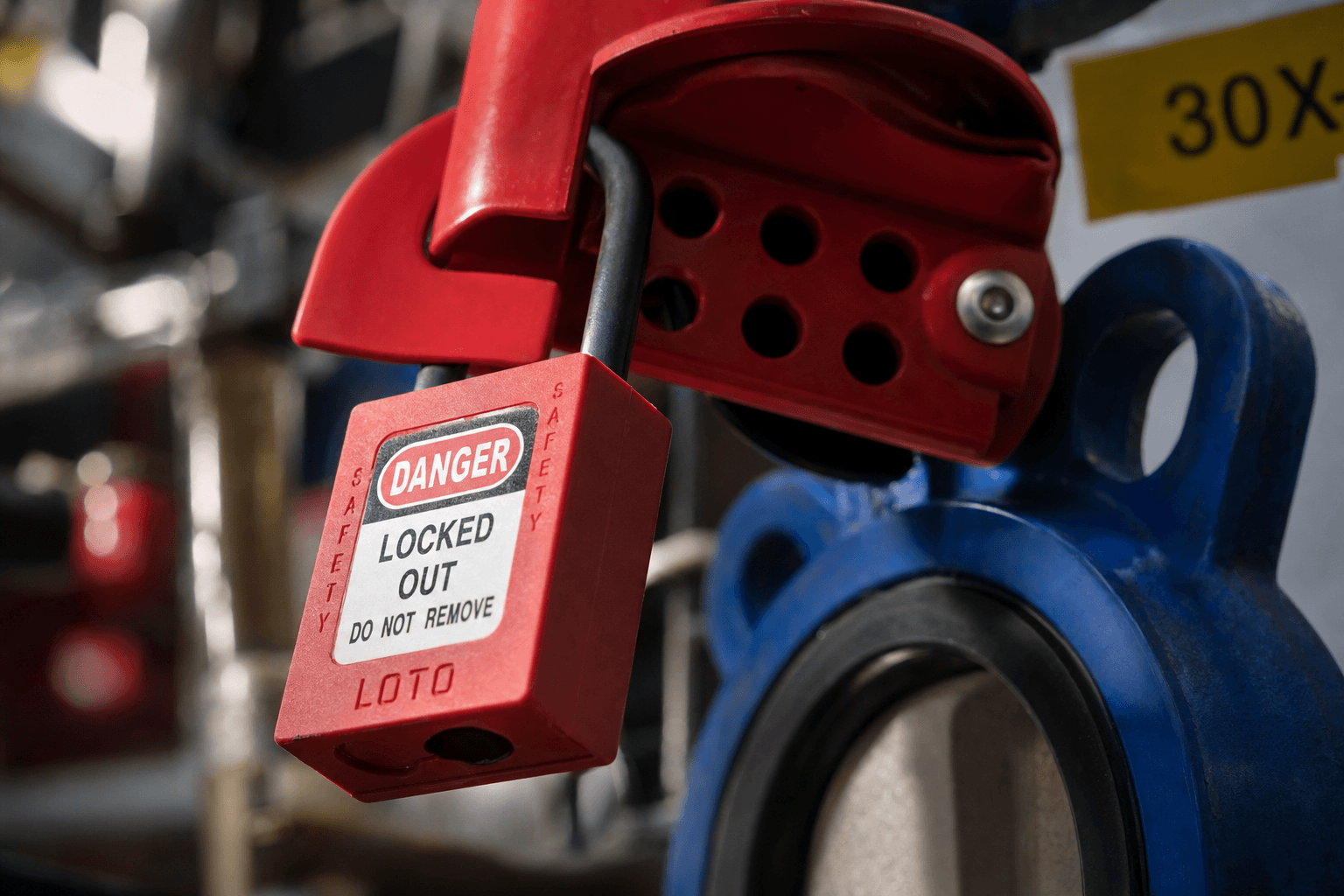
A butterfly valve lockout device isolates the energy sources of a valve, preventing accidental activation during maintenance. It’s designed to fit over the handle of the butterfly valve, securing it in an off position.
Key considerations include material composition, adjustment flexibility, and compatibility with various handle sizes. A device that fits poorly or degrades quickly under stress can compromise safety and efficiency.
Material Matters: Choosing the Right Composition
The material of your lockout device should match the environment it operates in. For instance, thermoplastic devices are excellent for corrosive environments due to their resistance to chemicals. In contrast, steel devices offer robustness where physical impacts are more likely.
Here’s a comparison of materials:
| Material | Best For | Weaknesses |
|---|---|---|
| Thermoplastic | Chemical resistance | Less impact resistance |
| Steel | Durable, high-impact areas | Prone to corrosion |
Rely on industry standards like ASTM and ISO to guide the choice of materials that can withstand specific environmental conditions.
Size and Adjustability: One Size Doesn’t Fit All
Imagine investing in a lockout device only to find it incompatible with the valves in your facility. It’s a common mistake to assume these devices are universally fitting. Look for adjustable devices that cater to a range of valve sizes and handle types. Adjustable arms or interchangeable parts might add to the initial cost but save you from future headaches.
Verify Standards Compliance
A device that hasn’t been tested to a recognized standard is like buying security paraphernalia with no guarantee of efficacy. Ensure your butterfly valve lockout device complies with OSHA 1910.147 standards. This compliance assures you that the device can effectively prevent accidents during maintenance activities.
Supplier Reliability: Ask the Right Questions
You’re not just buying a device; you’re choosing a partner in your safety operations. Before finalizing a supplier, consider these questions:
– Can they provide documentation for ASTM or ISO compliance? – What do their quality control processes look like? – Are there any industry references or case studies available?
For example, a reliable supplier will allow inspections of their manufacturing processes and offer detailed reports on product testing.
A Note on Yuefong
While Yuefong specializes in locks and smart security devices, their approach to manufacturing—such as in-house tooling and rapid production turnaround—reflects the kind of supplier reliability you should look for in any of your procurement endeavors.
Conclusion: Don’t Cut Corners on Safety
Choosing the right butterfly valve lockout device is about marrying the right specifications with a trustworthy supplier. It’s about ensuring your factory floors are as safe as possible. As the manager in Germany demonstrated, diligence pays off; don’t let your next shipment be the one that costs more than just the purchase price.
Frequently Asked Questions
What are the common failure modes for butterfly valve lockout devices?
Common failures include material degradation in harsh environments and insufficient locking force, which can lead to accidental valve activation.
How can I ensure a butterfly valve lockout device complies with OSHA standards?
Request documentation proving the device meets OSHA 1910.147 standards, and verify with independent testing reports if available.
What are the typical lead times for ordering lockout devices?
Lead times can vary, so it’s quote-dependent. Ensure to communicate with suppliers for specific timelines based on project requirements.
Related Guides in This Series
Secure Your Supply Chain with a True Source Factory
Yuefonglock is an OEM/ODM lock manufacturer. Contact our engineering team today.