Choosing the Right Padlock Material Isn’t Just About Cost
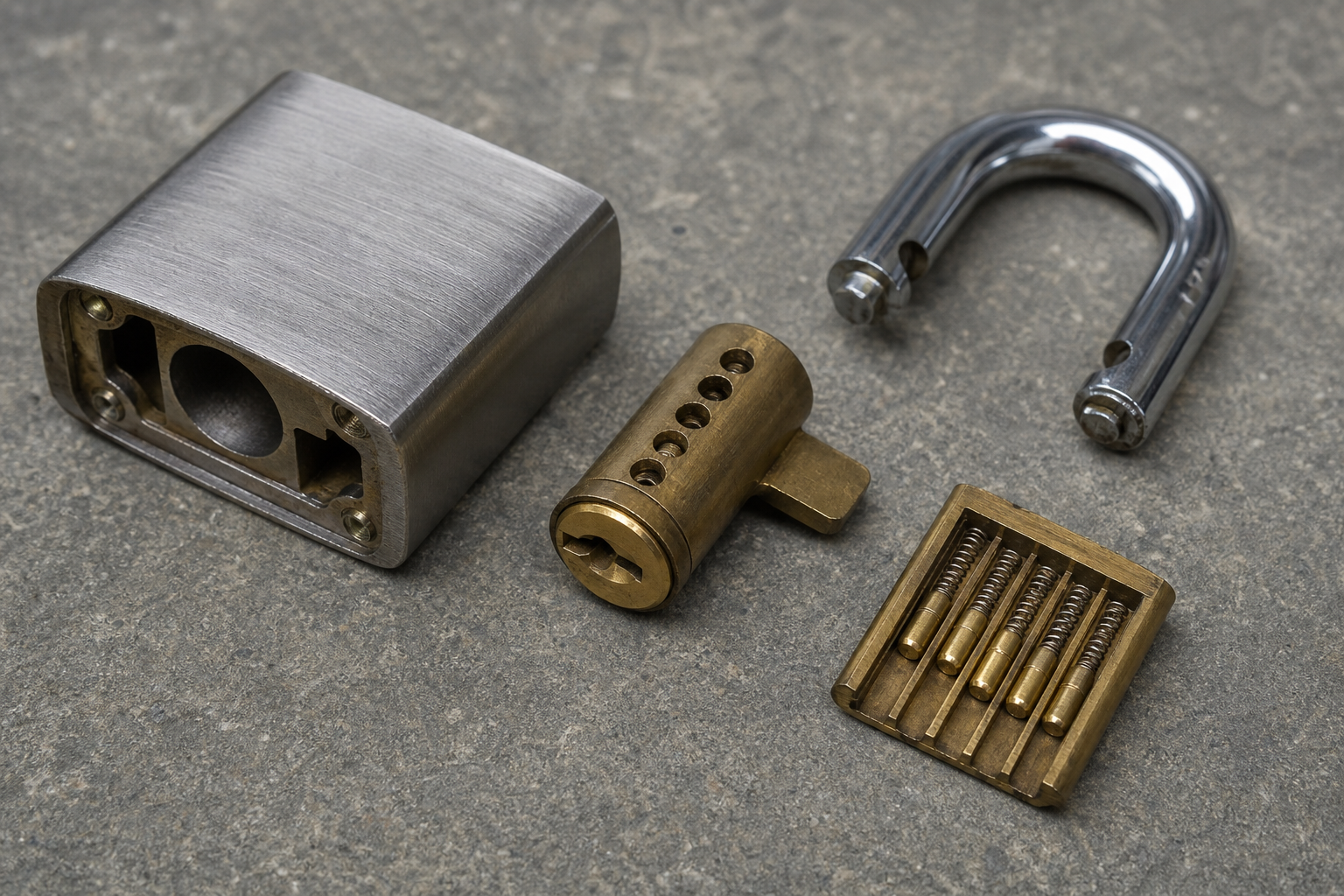
Imagine rejecting an entire shipment of padlocks because they failed a 120-hour salt spray test—an expensive lesson in material choice. When it comes to padlocks, the body’s material is more than just a cost factor; it’s the backbone of security and durability. Here’s the reality: Brass, zinc alloy, and steel each have their merits and pitfalls, and understanding these can make or break your procurement strategy.
Brass Padlocks: The Balance of Durability and Corrosion Resistance
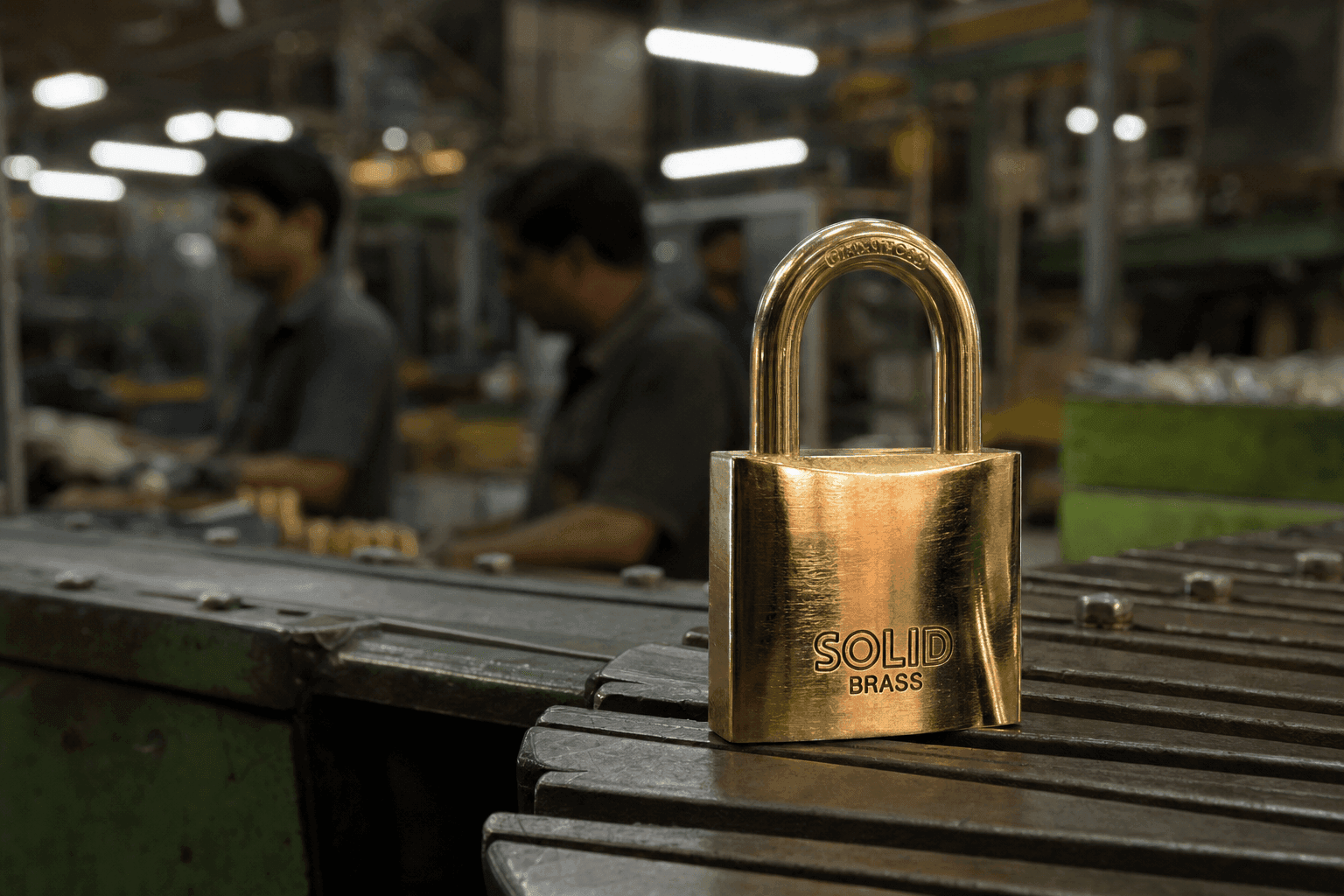
Brass padlocks are often favored for their excellent corrosion resistance. In humid or marine environments, brass outshines its counterparts. However, it’s not just about surviving the elements. Brass provides an excellent balance between durability and machinability, making it suitable for custom designs.
Yet, don’t be swayed purely by the benefits. Brass is softer than other metals, which can be a disadvantage in high-security scenarios. For critical applications, its resistance to physical attacks doesn’t match steel’s toughness.
So, when is brass the right choice? Look at the application environment. For moderately secure areas exposed to weather, brass is your best bet. Data from Yuefonglock indicates a preference among buyers looking for mid-range security without compromising on environmental resistance.
Steel Padlocks: The Unyielding Fortress
Steel padlocks are synonymous with strength. Their bodies are tough, making them difficult to cut or break. This makes steel the go-to choice for high-security applications. However, strength alone isn’t enough.
Steel, especially when untreated, can fall prey to rust. To mitigate this, many manufacturers, including Yuefonglock, employ stainless steel or coat the padlock bodies. This adds another layer of protection and prolongs life, even in harsh conditions. But remember, this comes with a cost increase.
The real decision factor? Security. If you’re locking up high-value assets, steel is your ally. In a recent audit I conducted in Germany, buyers often rejected zinc alloy in favor of steel for warehouse applications precisely due to the security advantage.
Zinc Alloy Padlocks: Economical but Limited
Zinc alloy padlocks are the budget-friendly option, offering basic security at a lower cost. They’re not as robust as steel, nor as corrosion-resistant as brass. However, for low-risk applications, they strike a fair balance between price and performance.
In essence, zinc alloy should be your choice only when cost constraints outweigh security needs. They’re perfect for internal use, where environmental corrosion and high-security threats are minimal.
Comparing the Three: What Most Buyers Overlook
Let me be blunt: Many procurement managers get it wrong because they fail to match the padlock material with the application context. Here’s a quick comparison:
| Feature | Brass | Steel | Zinc Alloy |
|---|---|---|---|
| Strength | Moderate | High | Low-Moderate |
| Corrosion Resistance | High | Moderate (varies by type) | Low |
| Cost | Moderate | High | Low |
| Machinability | High | Moderate | High |
| Best Use | Weather exposure | High-security needs | Low-risk, indoor uses |
The Yuefonglock Edge
While we’re on the topic, it’s worth mentioning Yuefonglock. They exemplify what factory-direct sourcing should be. Their 120-hour salt spray test ensures durability in brass padlocks, and their C-level cylinder standards elevate security. This is the kind of quality control you should demand.
The point here is not to plug a specific company but to illustrate what top-tier manufacturing looks like. Whether it’s Yuefonglock or another supplier, factory audits, and stringent quality checks must be non-negotiable for procurement success.
Takeaway: Beyond Material—Know Your Context
Ultimately, the best material choice for padlocks hinges on understanding the unique needs of your application. Don’t be the next procurement manager who pays for unnecessary returns or subpar security. Question your current strategy: Are you balancing cost with security and durability, or just reacting to price tags?
Frequently Asked Questions
How does the 120-hour salt spray test impact padlock choice?
It measures corrosion resistance, crucial for outdoor use, especially in humid environments.
Is there a standard compliance for padlock strength?
Yes, consider EN 12320 for mechanical strength standards. It provides benchmarks for padlock resilience.
What procurement pitfalls exist with zinc alloy padlocks?
They might compromise security in high-risk areas due to lower strength compared to steel or brass.
Secure Your Supply Chain with a True Source Factory
Yuefonglock’s 70,000㎡ facility offers 3-5 day rapid OEM quoting and 120-hour salt spray tested durability. Contact our engineering team today.