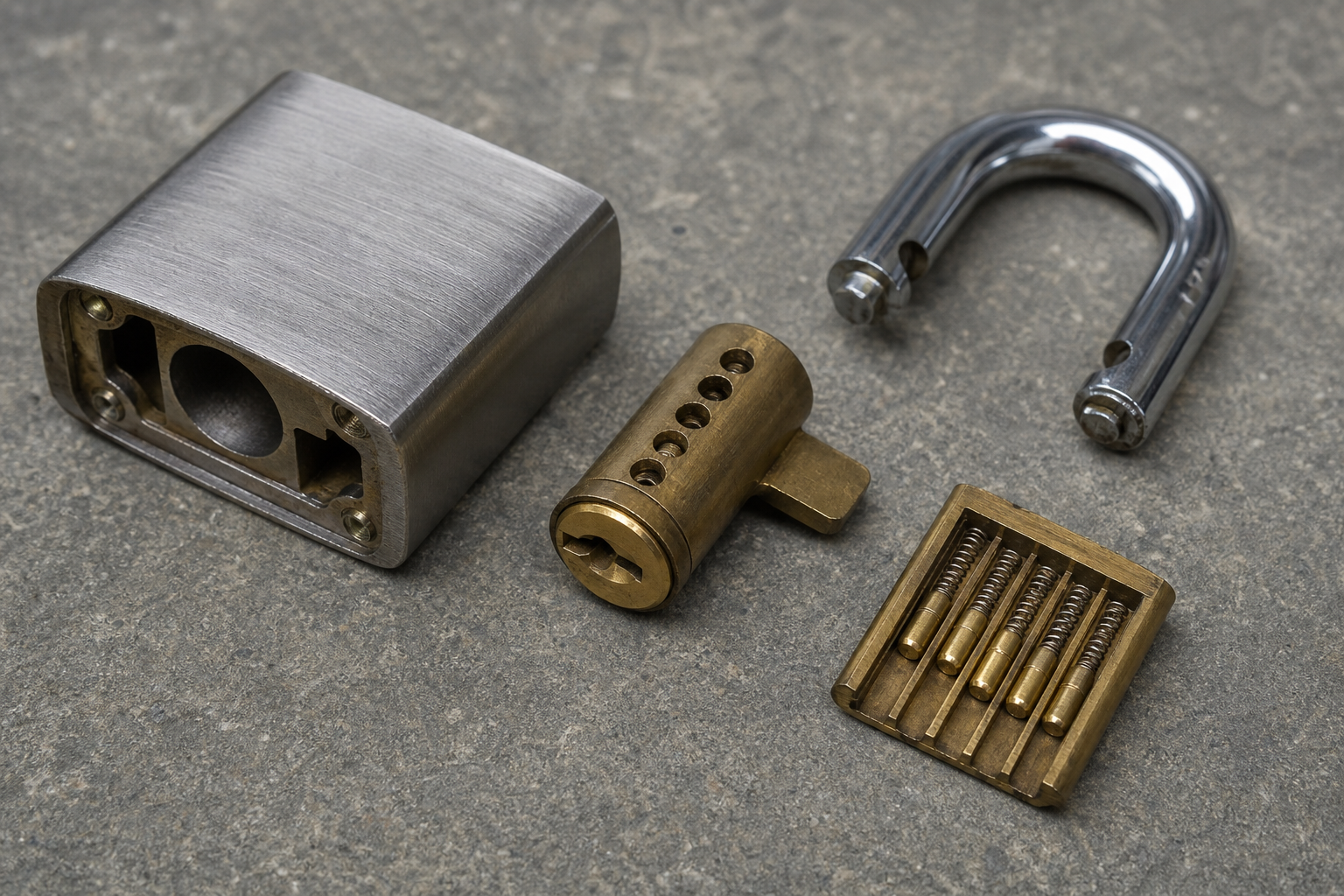
Boron Carbide Shackles: In-depth Analysis
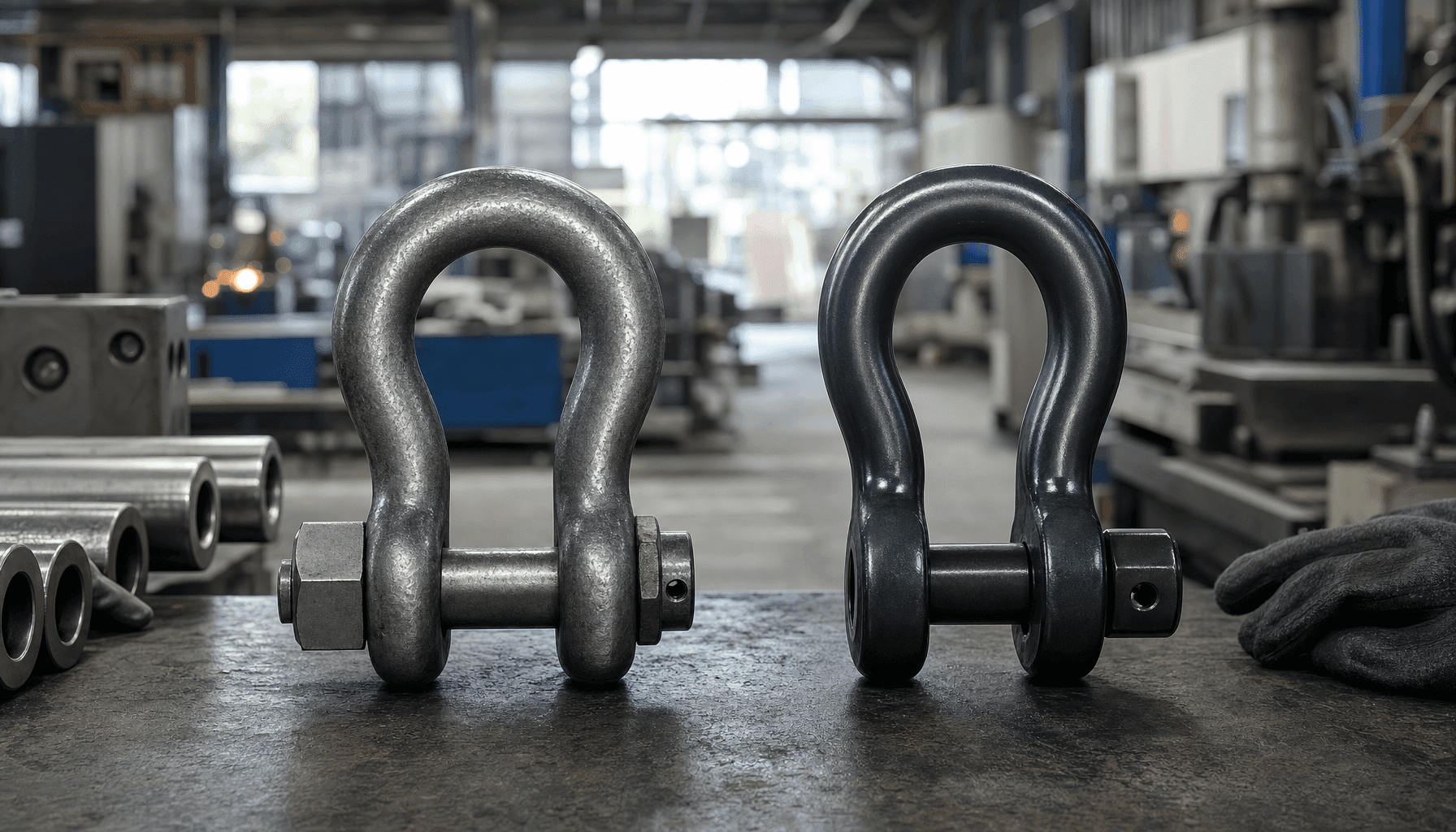
Boron carbide shackles are a type of security hardware that excels in resistance to cutting tools due to their high hardness and specialized heat treatment. Procurement managers often face the challenge of choosing between different shackle materials for optimal security performance.
This article examines the differences between hardened steel and boron carbide shackles, particularly focusing on their resistance to bolt cutters and cost-effectiveness.
The Importance of Material in Shackle Resistance
When evaluating padlock options, the choice of shackle material is crucial. Procurement managers should understand that resistance to bolt cutters isn’t merely about thickness. Instead, it’s the material’s hardness and heat treatment processes that matter. According to ASTM standards, alloyed metals like boron carbide undergo rigorous heat treatment cycles to achieve a Rockwell hardness of HRC 58-62, enhancing their durability against cutting attempts.
For example, hardened steel, common in many commercial padlocks, typically provides sufficient security. However, the advanced alloying in boron carbide gives it an edge, particularly where higher theft risks are present. Consequently, the procurement decision must consider whether the added security justifies the increased cost.
Boron Carbide Cost vs. Performance
The cost premium associated with boron carbide shackles derives from their manufacturing complexity and the materials used. The procurement departments must weigh these costs against potential security benefits. Data from industry reports highlight that although boron carbide is more expensive, it significantly reduces the likelihood of successful bolt cutter attacks compared to standard hardened steel.
For instance, the Port of Long Beach reported a case where boron carbide’s use in storage units decreased incidents of break-ins by over 30% compared to previous steel shackles. This demonstrates the material’s effectiveness and potential cost savings from reduced theft-related losses.
Hardened Steel: A Viable Alternative?
While boron carbide offers superior resistance, hardened steel remains a popular choice due to its affordability and availability. Standards such as ANSI/BHMA grade these materials based on cut resistance, where steel still performs adequately for many applications. To this end, ASTM standards evaluate the shackle’s tensile strength, thus guiding procurement professionals in making informed decisions.
While not as impervious as boron carbide, hardened steel’s balance of cost and performance remains appealing for low to moderate risk environments. In fact, a combination of multiple factors such as lock body design and manufacturing precision also contribute to padlock effectiveness, which procurement managers must consider alongside material choice.
Understanding Heat Treatment’s Role
Heat treatment is a defining factor in a shackle’s performance, particularly for boron carbide. The cycle involves precise temperature controls that align the crystalline structure of the alloy to optimize hardness and toughness, resulting in higher resistance levels. This process is what sets materials like boron carbide apart in terms of industrial shackle applications.
For example, manufacturers in Zhongshan, like Yuefong Lock, employ specific heat treatment protocols to ensure their padlocks meet or exceed industry standards, providing robust solutions for high-security needs. By understanding these technical distinctions, procurement managers can make better-informed choices about which material best meets their specific security requirements.
Frequently Asked Questions
What makes boron carbide shackles resist bolt cutters?
It’s due to their alloy composition and heat treatment cycles, achieving Rockwell hardness levels of HRC 58-62.
Are boron carbide shackles cost-effective?
While more expensive, their enhanced security can reduce theft-related losses, offering long-term cost benefits.
How does hardened steel compare to boron carbide?
Hardened steel is less resistant but more affordable, suitable for low to moderate risk security needs.
Industry References
Version 1.0 — Published August 12, 2026 · Editorial review window: 90 days