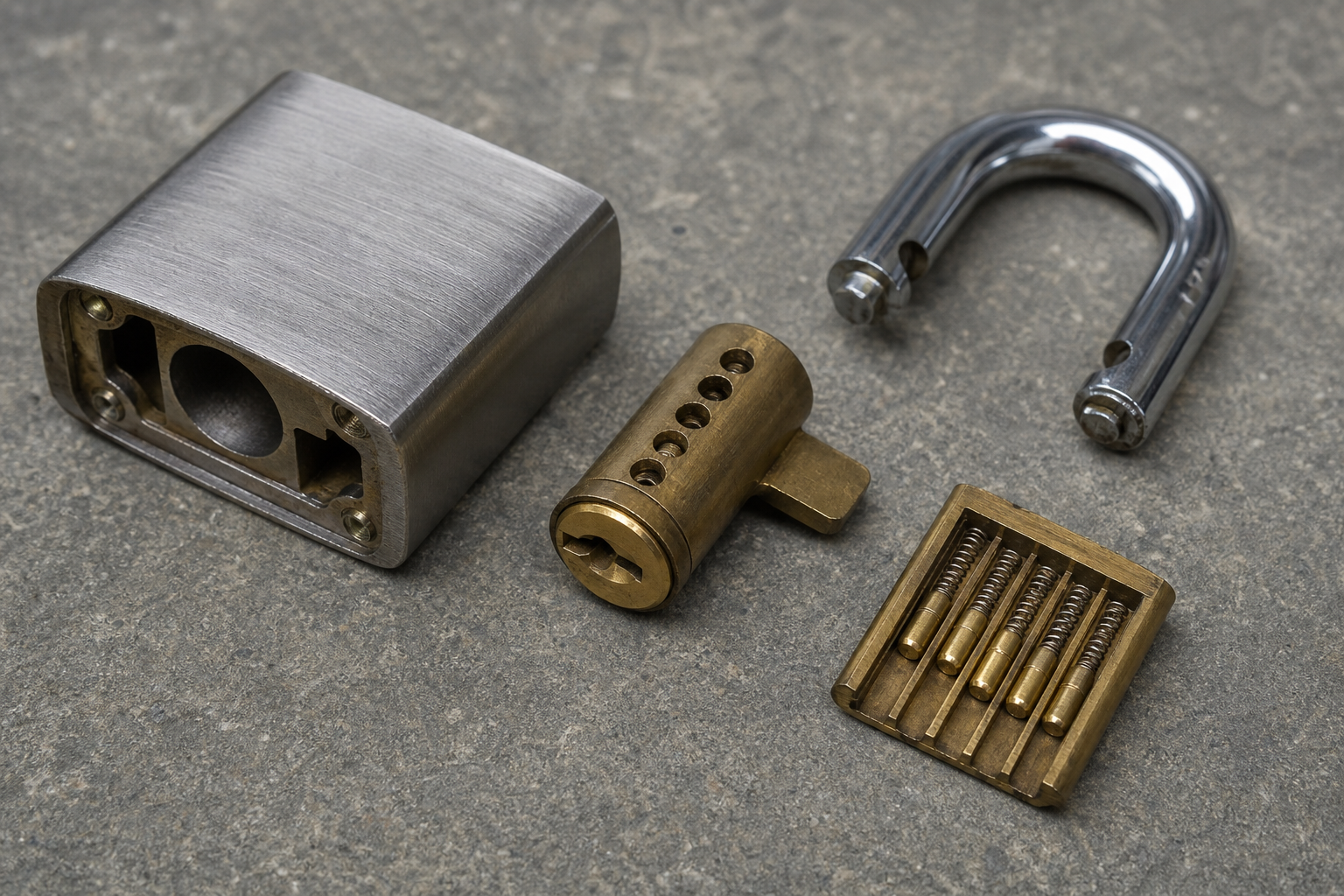
ASSA ABLOY’s acquisition of PACLOCK marks a significant shift in the security hardware landscape. The announcement, made on September 16, 2026, highlights ASSA ABLOY’s strategic pursuit to strengthen its foothold in mature markets by integrating complementary products and solutions into its core business.
According to the press release on PRNewswire, PACLOCK, a US-based padlock and security hardware manufacturer, will become part of ASSA ABLOY’s Residential Business Segment within the Americas Division. With sales reported at $17 million in 2025 and a robust EBIT margin, PACLOCK presents itself as a valuable asset to ASSA ABLOY’s diverse portfolio.
One might dismiss this as just another conglomerate move. But scratch beneath the surface, and procurement professionals should notice the deeper implications. PACLOCK is particularly noted for its US-based manufacturing and its prowess in customized security solutions. This acquisition signals a potential shift in ASSA ABLOY’s product strategy toward more tailored offerings.
A Deeper Look into the Acquisition
The obvious angle here is ASSA ABLOY’s ambition to diversify and enhance its market offerings through PACLOCK’s bespoke solutions. Unlike traditional lock manufacturers that mass-produce standardized products, PACLOCK specializes in meeting specific customer demands, offering a range of custom locks suited for unique applications.
While the announcement from Nico Delvaux, ASSA ABLOY’s President and CEO, emphasized the strategic fit of PACLOCK’s products, Lucas Boselli’s remarks underscored the innovative edge and exceptional customer service that PACLOCK brings to the table. For procurement managers, these attributes mean greater flexibility and potentially more responsive service from ASSA ABLOY.
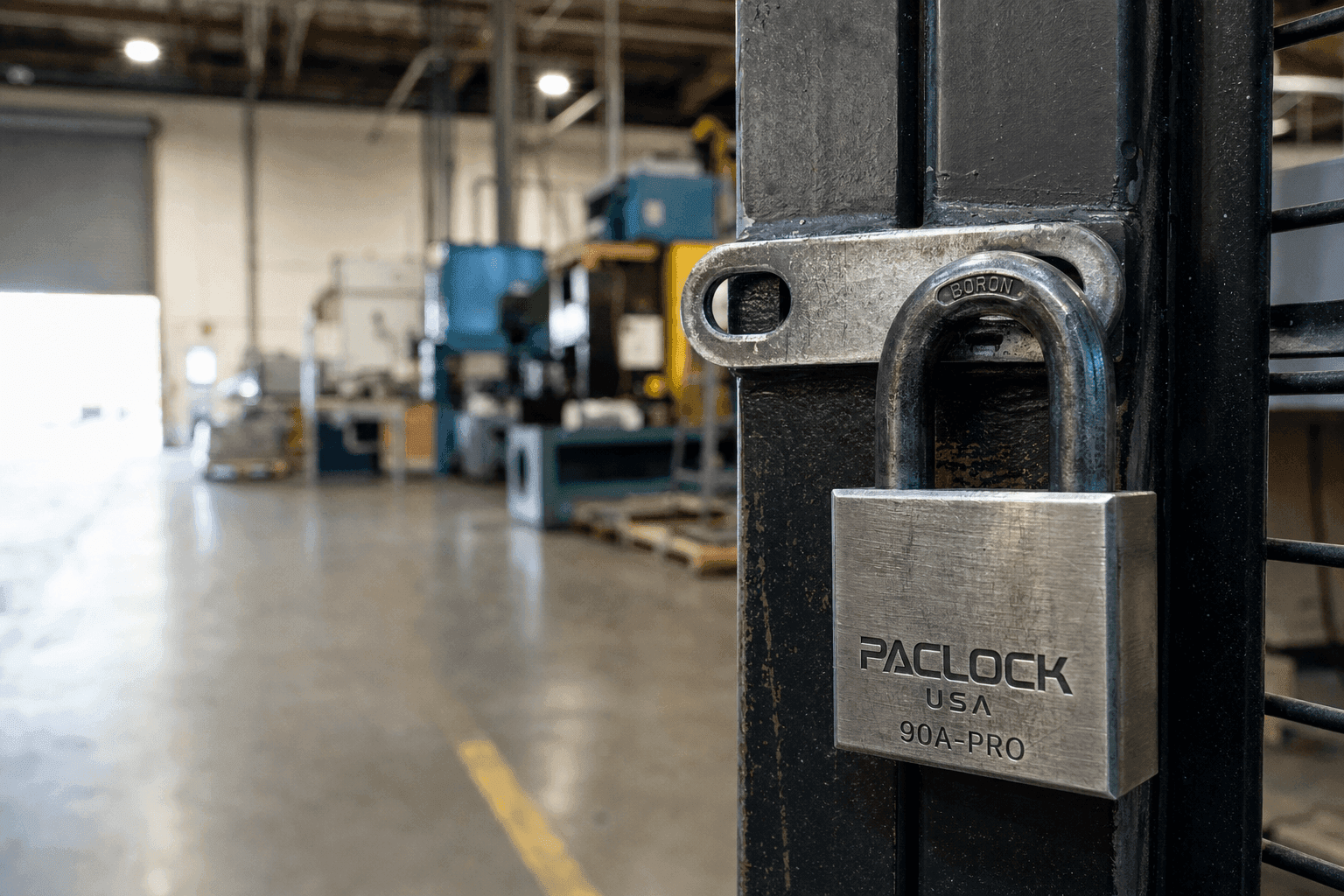 An Industry Perspective
Having visited numerous lock factories globally, including in China, Germany, and Turkey, I’ve seen firsthand how the industry often struggles with balancing scale and customization. Many companies veer towards either end of the spectrum. ASSA ABLOY’s acquisition could pave the way for a middle ground, combining global scale with bespoke solutions — a rarity in the field.
However, there are potential pitfalls. Integrating PACLOCK’s nimble, customer-focused operations into the vast, complex machinery of ASSA ABLOY could result in dilution of PACLOCK’s customer-centric ethos. Big fish like ASSA ABLOY often swallow smaller players whole, leading to homogenization rather than innovation.
On the ground, I’ve witnessed procurement teams in Lagos and elsewhere reject entire containers due to inflexible product offerings. Imagine what a shift towards more customization could mean for such cases: fewer rejections, improved satisfaction, and ultimately, better value on investment.
Benchmarking Against the Standards
For context, consider companies like Yuefong, which embody advanced manufacturing capabilities with quick turnaround times for CAD/3D drawings and an emphasis on quality control. Yuefong’s in-house testing lab and advanced equipment reflect a high benchmark in the industry. ASSA ABLOY’s challenge will be to maintain PACLOCK’s existing standards while capitalizing on such rigorous benchmarks.
Integration will also require compliance with existing certifications and adherence to safety standards like OSHA 29 CFR 1910.147, crucial for US operations where lockout/tagout regulations are stringent.
The Financial Angle
Financially, the acquisition is expected to positively impact ASSA ABLOY’s earnings per share from the start. But more critically, the procurement department should anticipate shifts in cost structures. When an acquisition promises EPS accretion, it often seeks quick returns, potentially affecting product pricing and supply agreements.
Given PACLOCK’s positioning, procurement managers should explore renegotiating terms to capitalize on enhanced product offerings without bearing the brunt of potential cost pass-throughs. The acquisition could open new doors for negotiation, but it also warrants vigilance to ensure supply chain adjustments do not erode margins.
Conclusion and Reflection
ASSA ABLOY’s acquisition of PACLOCK demonstrates a strategic maneuver within a maturing market, but raises questions about integration and long-term impacts on innovation and customizability. As the industry continues to evolve amid increasing demands for both personalization and scale, this acquisition will serve as a bellwether for how larger entities can effectively absorb and enhance niche players.
Does this signal a broader trend where large incumbents finally adapt to the nuanced needs of the market? Or will it merely illustrate the challenges of maintaining unique value propositions within a massive corporate framework? Only time, and perhaps a new lock design or two, will tell.
Frequently Asked Questions
What impact will ASSA ABLOY’s acquisition of PACLOCK have on product customization?
The acquisition may enhance ASSA ABLOY’s ability to offer more tailored security solutions through PACLOCK’s expertise in customization.
How might ASSA ABLOY’s acquisition affect compliance with existing lockout/tagout regulations?
Compliance remains crucial; PACLOCK products will need to align with OSHA 29 CFR 1910.147 standards in the US.
Are there potential risks in integrating PACLOCK’s operations into ASSA ABLOY?
Yes, there is a risk that PACLOCK’s customer-centric approach might be diluted within ASSA ABLOY’s larger operational structure.
Need an OEM Lock Partner?
Zhongshan Yue-fong Mai’s Manufacture Co., Ltd offers +/-0.02mm precision and 10M annual capacity. Contact us.