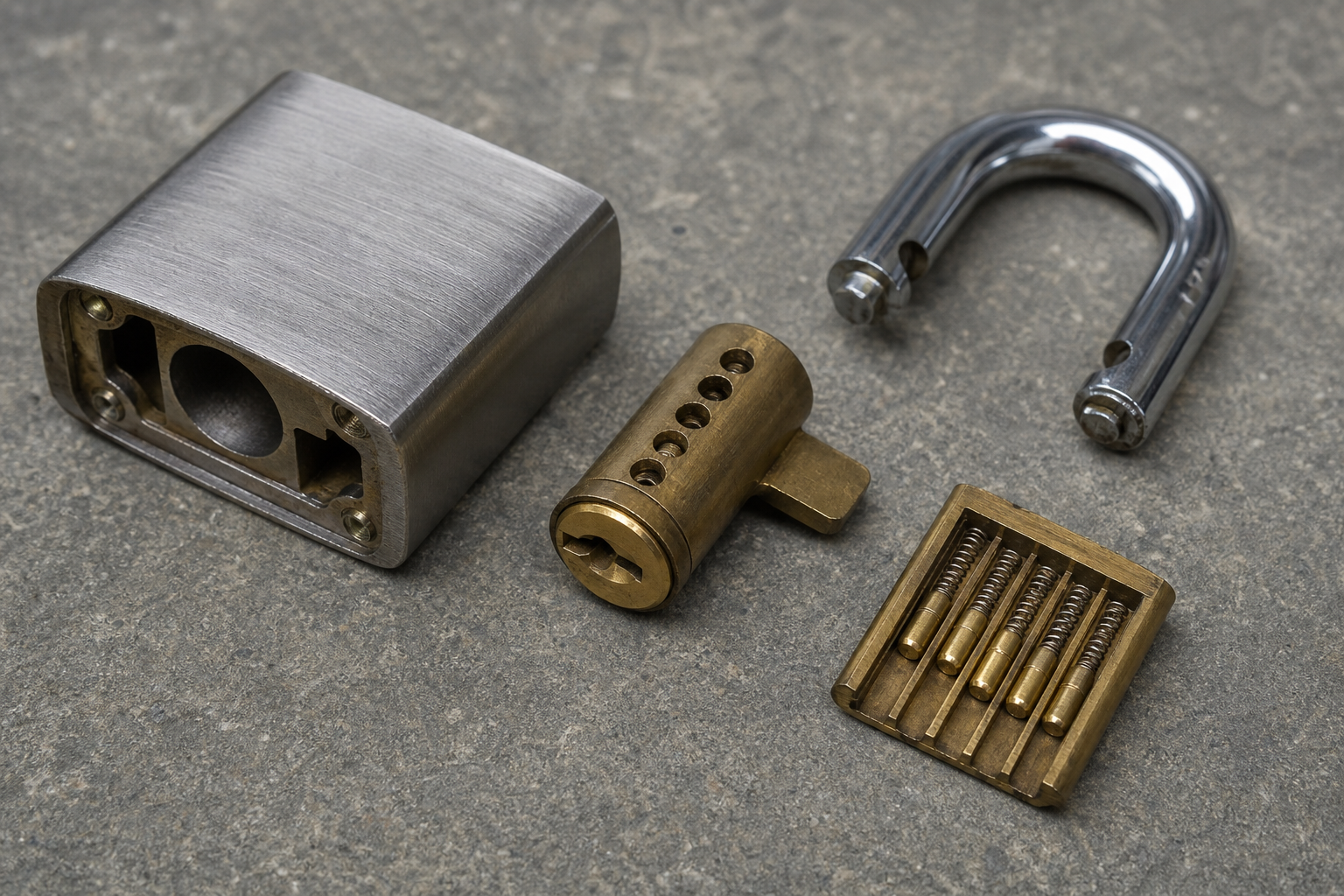
AQL Levels Explained: Padlock Pre-Shipment Tips
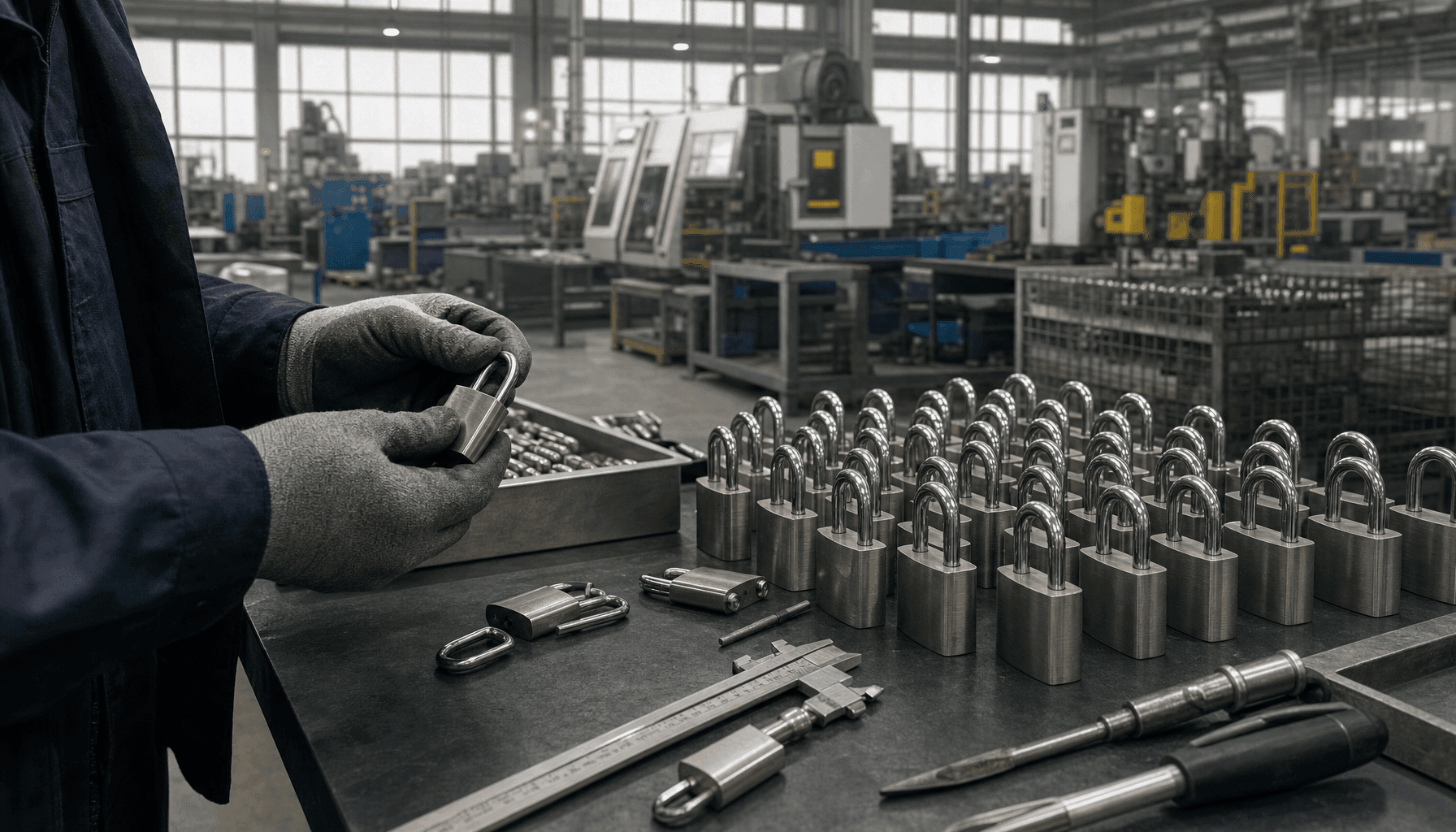
The Role of AQL in Padlock Procurement
Acceptance Quality Limit (AQL) is crucial for procurement managers, specifically in the padlock industry, which demands precise quality control to ensure safety and reliability. AQL 2.5 allows for a 2.5% defect rate in a shipment, commonly considered the industry standard for general goods including padlocks under ISO 2859-1 sampling methodology. This level balances inspection time and cost, suitable for less critical applications.
AQL 1.5: Stricter Standards for Higher Assurance
For critical security hardware, AQL 1.5, with a 1.5% allowable defect rate, is often preferred. It increases inspection rigor and therefore reassuring quality, albeit with slightly higher costs. This is particularly relevant when dealing with high-value or high-risk environments, where defect tolerance is minimal, and ensures enhanced durability and security.
AQL 0.65: The Highest Assurance at a Cost
AQL 0.65 is reserved for the highest assurance level, employed when absolute precision is non-negotiable, such as in military-grade or sensitive facilities. The inspection process necessitates meticulous detail and a higher number of samples, translating into increased inspection time and cost. However, this level ensures the utmost quality, minimizing risk before padlocks enter the supply chain.
Explore our comprehensive padlock and smart security solutions for OEM/ODM requirements.
Balancing Costs and Quality in Padlock Inspection
Choosing the right AQL involves a strategic assessment of both cost implications and the criticality of the application. For instance, using AQL 1.5 or even 0.65 is advisable for padlocks securing critical infrastructure, where failure isn’t an option. This choice is against the backdrop of costs incurred from detailed inspections versus the potential repercussions of security failures.
Manufacturers like Yuefong Lock in Jiangmen, known for their rapid prototyping due to in-house mold workshops, optimize such inspections to align quality with production economics.
Step-by-Step Process
- Determine product criticality: Assess the security application of padlocks to decide if a higher AQL level like 1.5 or 0.65 is necessary.
- Analyze inspection costs: Evaluate the cost implications of each AQL level in relation to the expected defect rate and criticality.
- Choose AQL level: Select an AQL level based on balancing cost with required quality assurance for each padlock application.
- Coordinate with inspectors: Ensure alignment with quality inspection teams on the chosen AQL level to maintain consistency and accuracy.
- Review inspection results: After inspection, carefully review findings to verify compliance with the agreed AQL level, adjusting future orders accordingly.
Frequently Asked Questions
What is the difference between AQL 2.5 and AQL 1.5?
AQL 2.5 permits a 2.5% defect rate, suitable for general products, while AQL 1.5 allows only 1.5%, preferred for high-security applications.
Why choose AQL 0.65 for padlocks?
AQL 0.65 is ideal for critical security needs, offering the lowest defect rate but at a higher inspection cost, ensuring maximum reliability.
How does ISO 2859-1 relate to AQL inspections?
ISO 2859-1 is a standard outlining the sampling methods for AQL inspections, guiding acceptable defect levels in different product shipments.
Industry References
Version 1.0 — Published August 6, 2026 · Editorial review window: 90 days