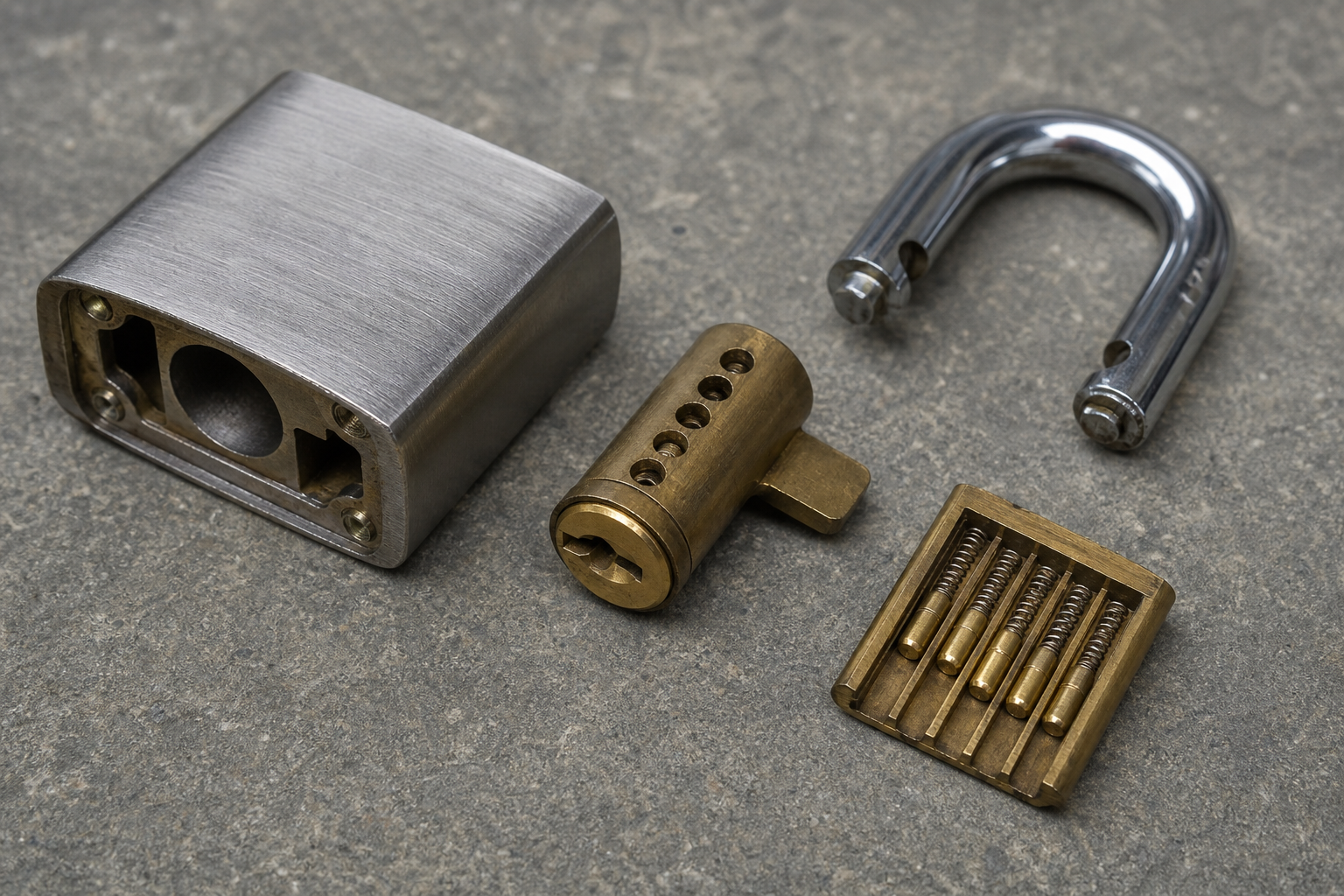
AQL Inspection for Padlocks: AQL 2.5 vs 1.5 Costs
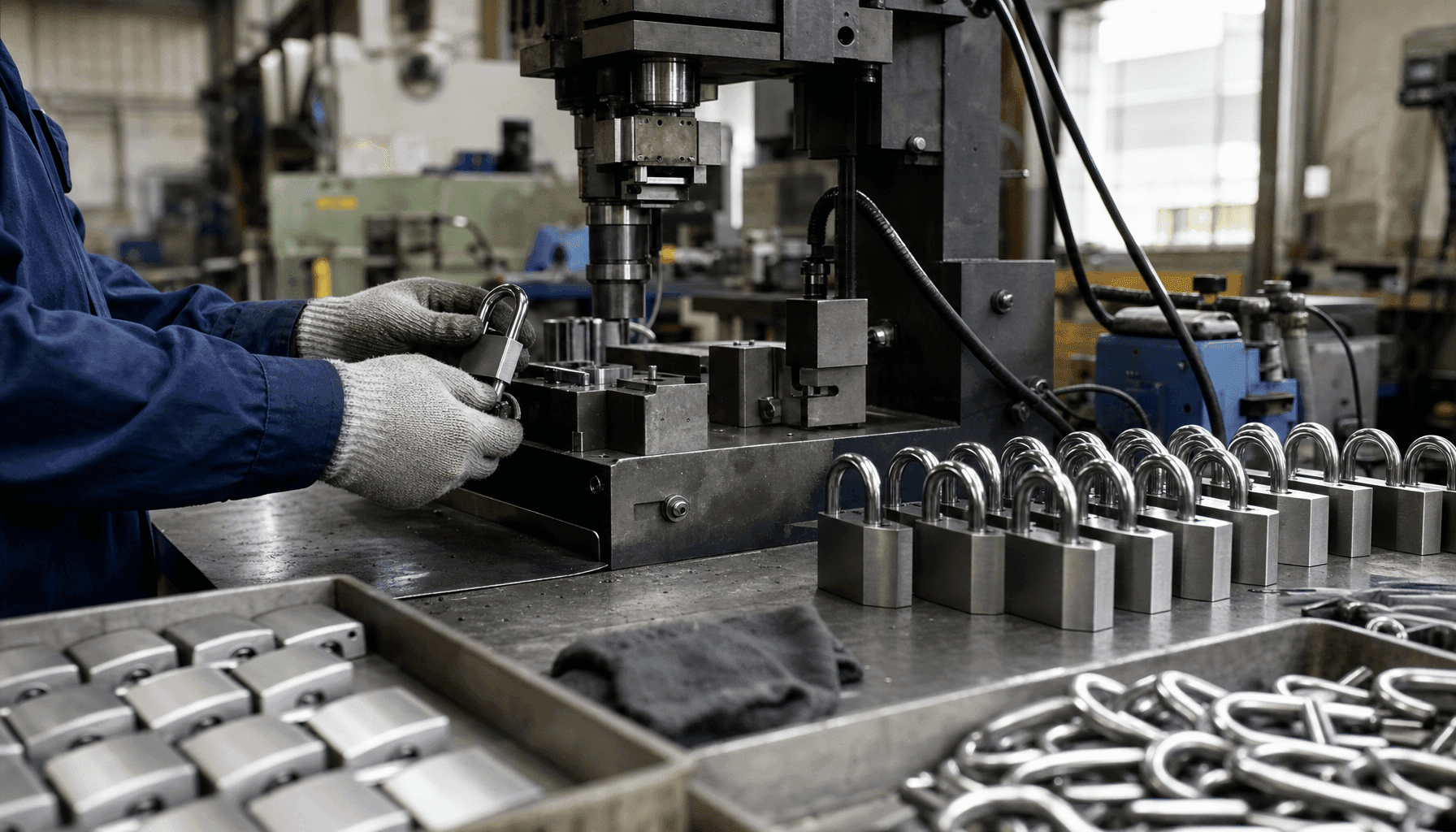
AQL inspection is a statistical sampling methodology that determines lot acceptance based on a predetermined acceptable defect percentage.
Procurement managers face crucial choices when determining AQL levels for padlock shipments, impacting both quality assurance and operational efficiency.
The Role of AQL in Padlock Inspections
AQL, or Acceptable Quality Limit, is pivotal in minimizing defect risk in padlock shipments. Under ISO 2859-1, it defines the largest number of defects allowed before rejection. This system, crucial for managing production quality, uses sampling techniques to ensure products meet set standards, helping procurement managers make informed decisions.
AQL 2.5 vs. AQL 1.5 vs. AQL 0.65 Explained
AQL levels vary significantly in their implications for defect tolerance and inspection time. For instance, an AQL of 2.5 allows more defects than an AQL of 1.5, which means shorter inspection times but higher tolerance for minor defects. ISO 2859-1 provides specific guidance on balancing defect levels with inspection thoroughness.
Critical, Major, and Minor Defect Categories
Defining defect categories under ISO standards is essential for quality assurance. Critical defects could render a padlock non-functional, warranting immediate rejection; major defects, while not preventing use, affect durability or performance; minor defects are often aesthetic and less concerning, such as slight surface imperfections.
Third-Party Inspections and Their Costs
Third-party inspections, common in international trade, add a layer of objectivity. Costs vary by AQL level, as higher scrutiny requires more time. For instance, an AQL 0.65 inspection can double the time compared to AQL 2.5, highlighting the trade-off between cost and quality assurance. Factories like Yuefong Lock utilize internal resources to complement these processes, optimizing both time and compliance.
| AQL Level | Inspection Time Effect | Defect Tolerance |
|---|---|---|
| 2.5 | Shorter | Higher |
| 1.5 | Moderate | Moderate |
| 0.65 | Longer | Lower |
Step-by-Step Process
- Evaluate factory’s AQL capability: Check the factory’s ability to meet your required AQL levels. Verify compliance records and past inspection results.
- Determine the AQL level needed: Based on your tolerance for defects, select between AQL 2.5, 1.5, or 0.65. Consider trade-offs between defect rates and inspection time.
- Prepare inspection criteria: List all major and critical defect definitions in line with ISO and ASTM standards relevant to your product.
- Engage third-party inspectors: If necessary, hire a certified third-party inspection company to provide unbiased assessments.
- Review inspection reports: Analyze inspection reports for compliance with your AQL standards to ensure quality before shipping.
Frequently Asked Questions
What is AQL in terms of padlock orders?
AQL, or Acceptable Quality Limit, is a statistical measure that defines the maximum number of acceptable defects during random sampling.
How does ISO 2859-1 relate to padlock inspections?
ISO 2859-1 provides guidelines for sampling procedures in determining AQL levels for lot acceptance.
What impact do third-party inspections have on costs?
Third-party inspections increase costs proportional to the level of scrutiny, such as AQL 0.65 being more expensive than 2.5.
Industry References
Version 1.0 — Published September 11, 2026 · Editorial review window: 90 days