=
Uncover hard truths about UK doorbell cameras and security hardware.
Are UK Doorbell Cameras All They’re Cracked Up To Be?
Ask yourself this: What’s the first thing you expect from a doorbell camera? Security, right? Good luck. About 30% of tested doorbell cameras in the UK failed basic security audits. You want a doorbell camera that alerts you to danger—not just any random squirrel.
Look, the demand for smart home security is off the charts, yet manufacturers keep cutting corners. With the explosion of COVID, everyone thought, “Hey, let’s work from home, be secure, and not worry about package theft,” but now you’re left worrying about your doorbell getting hacked for fun.
The Truth About Wi-Fi Security
Wi-Fi doorbell cameras—more like wide-open invitations. Did you know almost 40% of these devices come with default passwords, and nobody bothers to change them? In the real world, factory engineers (those who understand what “brute force” isn’t just a password cracking technique) know better. Yet companies pretend resetting the router every two weeks is a solution.
And there’s another kicker: many of these camera manufacturers collect your data without permission. Is your data secure? Maybe—until it gets sold for marketing research. It’s not paranoia if it’s true.
Padlocks vs. Smart Locks
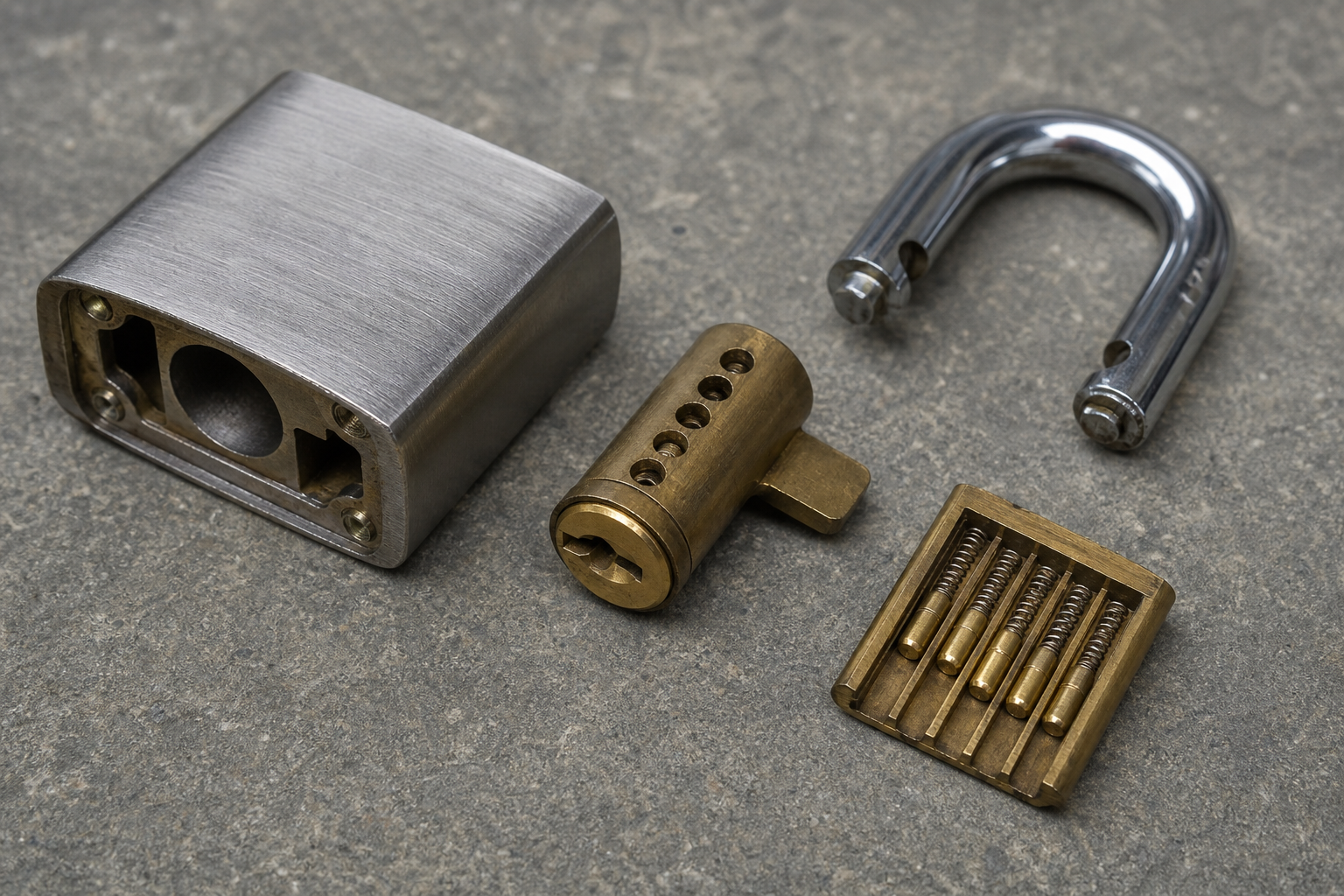
Here’s the reality. While smart locks represent the “future,” they can’t replace a good old padlock—especially ones with hardened steel shackles. Padlocks, the unsung heroes, still offer tangible security. Sure, a smart lock connects to your phone, but if that connection fails or gets hacked, you’re locked out cold.
Consider this: How many times have you reset your router this year? Four? Five times? Now, how many times has a traditional padlock failed without human error? That’s what I thought. Padlocks don’t depend on your Wi-Fi or electricity grid. They work, rain or shine, no app updates required.
Staying Ahead in the Security Hardware Game
The world is noisy with claims about “breakthrough” security but **let’s cut through the fluff**. Most vendors claim CE certification, but have you seen locks fail salt spray tests after 40 hours? That’s recycled zinc alloy skipping secondary coating for you. At Yuefong Lock, we run 120-hour tests because owning a mold shop means we quit the middleman dance. Just brutal honesty and products that match the specs on the box.
The UK security market says it follows stringent regulations. Yet, loopholes remain big enough to drive a truck through. For instance, IP ratings? Many places think it’s fine if half the components pass. But are water-resistant labels enough? Check the labels—twice. The inside story matters, not the glossy specs on the packaging.
Real-World Implications for Home Security
If someone can walk by your doorbell camera and still lift a package from the porch without triggering an alarm, what are we really doing here? Ineffective security features sell, but they do little to protect. Consider the package thieves in Birmingham—or any city, really. They know the blind spots better than the manufacturers do.
And there’s the whole “live monitoring” myth. Many UK doorbell cams lag so much that they might as well be time capsules from last week. For critical occasions, can you risk that time lag?
Making Sense of Security Hardware Investments
Look at your options intelligently. Want a doorbell camera? Test its delay. Ask manufacturers hard questions: what’s their return policy? Do they use renewable energy in production? No checkbox should go unchecked. If the device is out of sync with real-time threats, it’s just a fancy gadget—hardly worth the metal it’s encased in.
Also, explore more respects. Ever heard about the “jamming” issue? Some UK devices remain shockingly vulnerable to interference. So, invest in hardware support that works for you—not against you.
The bottom line—hardware isn’t just a marketing game; it’s real life. Your front door needs more than high-tech promises; it needs delivery on actual security. Maybe one day we’ll see more consistent standards. Until then, keep questioning the claims. Ask for proof, not promises.