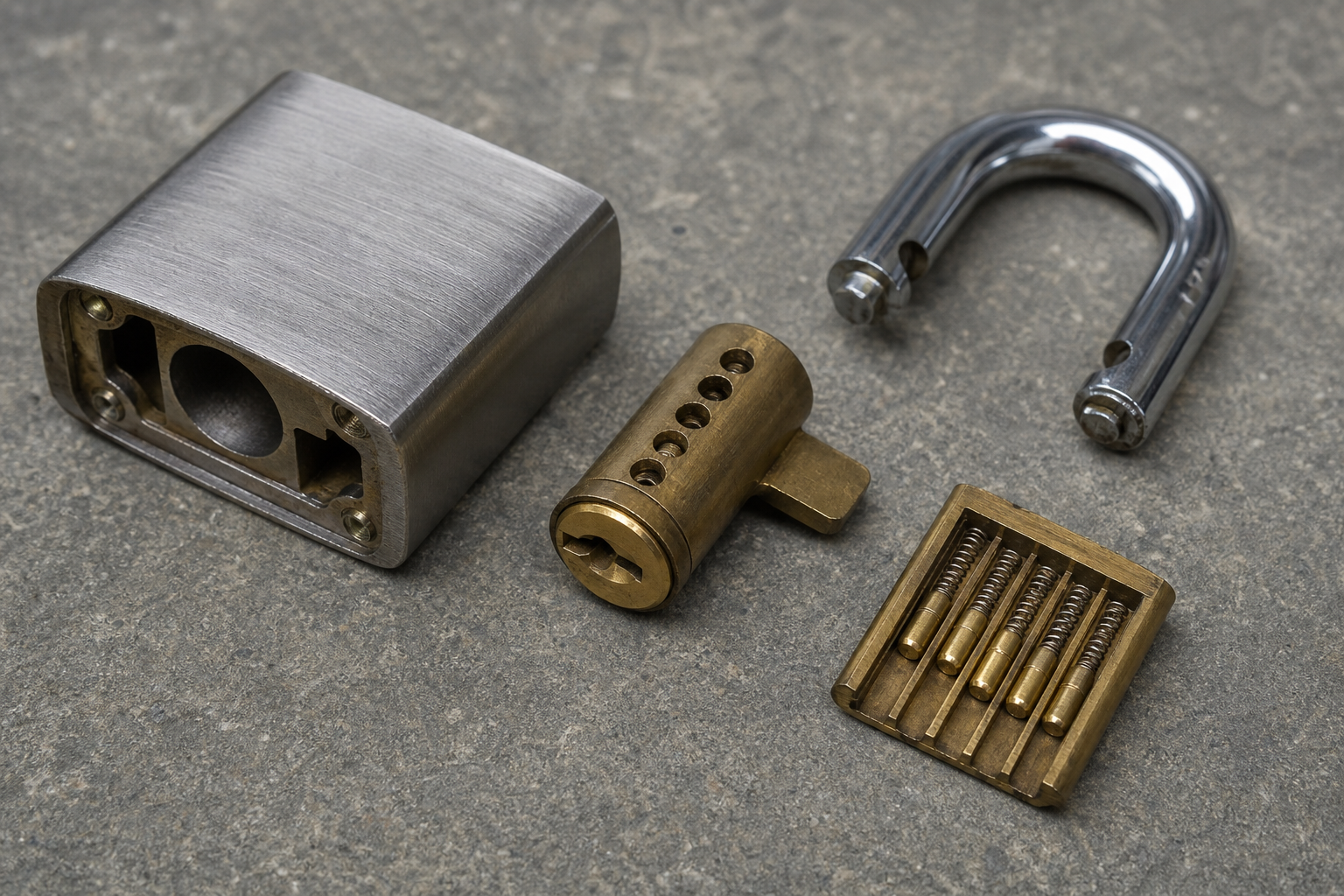
What’s Really Inside a Smart Lock?
Look, everyone seems to go wild over WiFi-enabled smart locks these days. They promise seamless integration with your smart home gadgets, but let’s not get ahead of ourselves. Want to know how many units fail within the first year? It’s around 20%, especially when manufacturers cut corners on components. And those four remote controls? They’re like giving a spare key to every random person in a subway turnstile.
When it comes to padlocks or security hardware, you’d think these gimmicks actually seal the deal. But really, it often comes down to whether the lock on your front door can withstand a determined 15-minute brute force attack. Does your shiny new lock offer ANSI/BHMA Grade 1 certification? Most don’t. They rely on flashy ads rather than core functionalities, which frankly makes me, a 20-year veteran in this field, more than just a little skeptical.
WiFi and Remote Control—Friend or Foe?
Here’s the reality. Adding WiFi to locks sounds great until you realize how many backdoors get opened — literally and metaphorically. Most of these systems can be hacked with just a simple password brute force. Speaking of force, did you know those 256-bit encryption claims are basically the marketing buzzword of the decade? But hackers don’t care about AES-256 if they can exploit weak software patches or outdated firmware faster than you can say “cybersecurity breach.” Shockingly, nearly 75% of attacks don’t even involve compromising the lock itself but leveraging unsecured routers.
Thinking about remote control? Imagine this: Your WiFi goes out, or the remote batteries die. How would you feel locking yourself out from your own fortress? Better pray the backup key isn’t also electronic. Common sense, right? Not a fan of over-reliance on tech that can go haywire faster than a rattled snake.
The Cost of Convenience
Manufacturers love to claim their products make life easier. But at what cost? Sure, you can unlock your door without fumbling for keys, but every added feature brings an increased risk. Extra circuits and chips correspondingly increase vulnerability — more components to break, more soft targets for intrusion.
Let’s talk numbers: A typical non-smart lock might face a 0.05% failure rate over a one year period, but smart locks can rocket that up to 1-2% easily. Plus, their price tags explode into the stratosphere, often topping $200 for decent features, when you could buy a sturdy traditional lock at a quarter of the cost. Not every sparkly gadget is a sound investment, and sometimes old school beats high-tech hands down.
Anti-Theft Features: Fact or Fiction?
Most smart lock vendors hype up their anti-theft abilities like they’re Fort Knox in a housing market. But they never tell you how many smart locks fail salt spray tests. Without rigorous tests, corrosion will turn any lock, smart or dumb, into a paperweight. Do they employ hardened steel shackle or rely on that pseudo-metal like recycled aluminum? Imagine being locked out during a rainstorm—annoying, right?
We run 120-hour tests here because Yuefong Lock sticks to metal standards that should be par for the course industry-wide, yet they aren’t. Most vendors quote 30 days for samples but we deliver in 3-5 because we own the mold shop. It’s not rocket science — it’s just good business.
Installation Woes
Let’s face the music. Our industry doesn’t make things as simple as IKEA manuals suggest. Many people think they can install these by themselves, but lose patience within hour three of wrangling wiring through an improperly sized door hole. That’s why most choose professional installation, which easily adds another hundred bucks to the tally. And if you misunderstand the terrible graphical instructions in the box, you could find yourself accidentally disabling the automatic locking feature without even knowing — more common than you’d think.
Ever drilled a door only to find out the battery pack doesn’t fit? Happens more often than I want to admit. And once tech support gets involved, you’d better have a free afternoon — hold music has never been so thrilling.
Skepticism as a Necessity
Why am I such a hardass? Because experience has taught me that specs on paper rarely match performance in practice — especially when it comes to “innovative” security solutions. It’s not paranoia; it’s pragmatism.
When a sleek brochure implies a lock is unbreakable, that’s when I decide it probably needs double the testing. Our role isn’t to boost sales figures; it’s to ensure every single product withstands more than just a few promotional promises. So, next time you find yourself enamored by those snazzy ads or newest gizmo features, take a step back and ask, “Is this truly security, or just another bright toy for wannabe techies?”