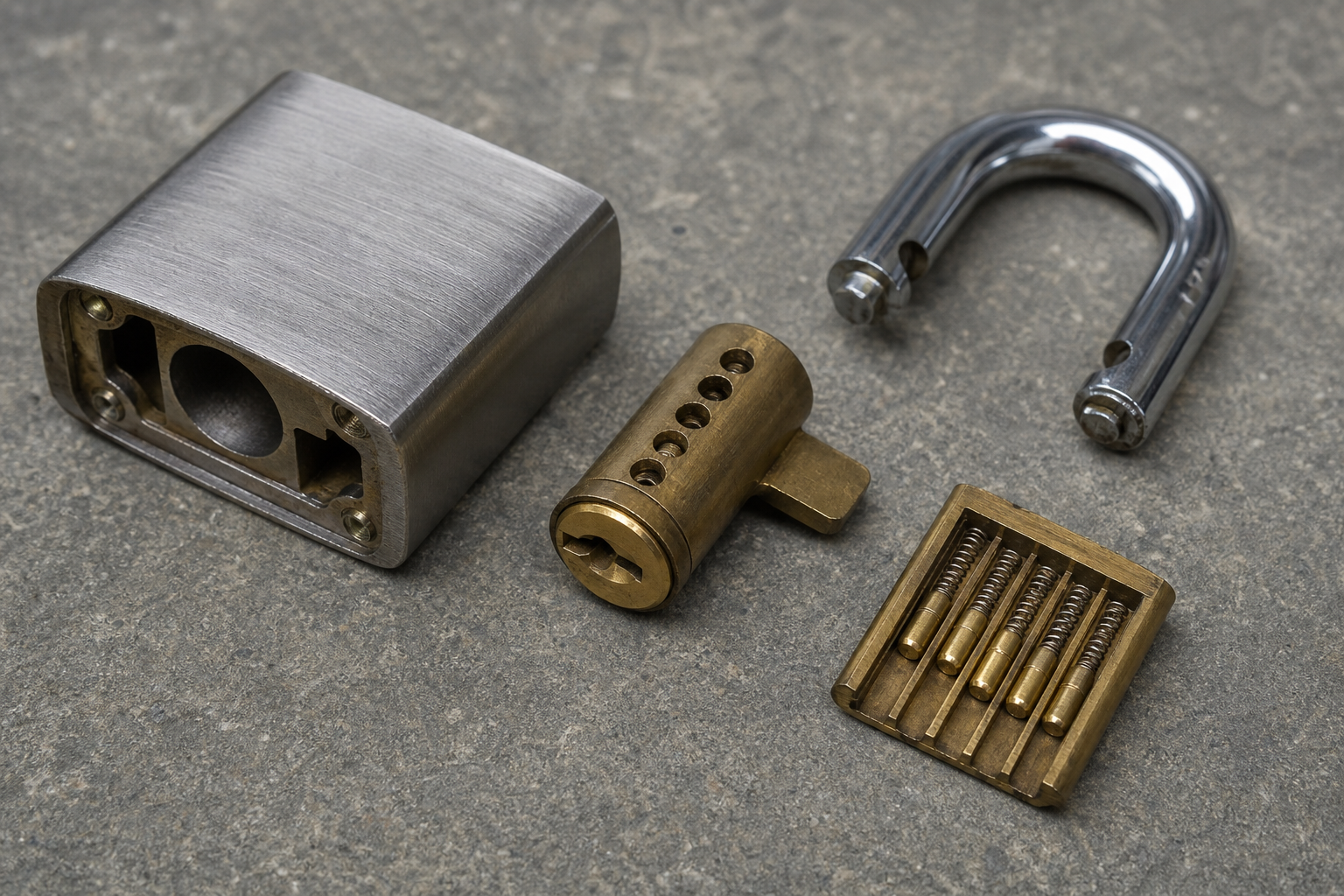
Is the Nuki Smart Lock Pro truly the perfect smart door lock, or is it just another innovation struggling to gain a foothold in an already saturated market? The Basic Tutorials review of the Nuki Smart Lock Pro raises important questions for security hardware procurement specialists.
The Nuki Smart Lock Pro: Overview
In terms of features, the Nuki Smart Lock Pro seems to tick all the right boxes. It offers remote access, integration with various smart home systems, and a seamless setup process. But as any seasoned procurement manager knows, features alone don’t tell the full story. What’s particularly noteworthy is the lock’s ability to be retrofitted onto existing door cylinders, making it an attractive option for cost-conscious buyers looking to upgrade without overhauling existing infrastructure.
According to the review, the Pro version not only improves on connectivity issues but also enhances security protocols, which are crucial selling points in a world ever-aware of cyber vulnerabilities.
Underlying Trends and Hidden Angles
The global smart lock market is projected to reach $4.1 billion by 2027, highlighting the growing demand for such devices. Yet, as a procurement manager, there are deeper layers to consider. First, the integration of a smart lock, particularly one as advanced as the Nuki Pro, requires a robust cybersecurity strategy. With cyber threats escalating, a failure in this area can lead to severe financial and reputational damage.
 Additionally, while Nuki boasts significant upgrades, its success will hinge on how it performs under real-world conditions. Most reviews, including the one from Basic Tutorials, often overlook this. For instance, how does the lock cope with extreme temperatures or high-humidity environments? These are factors that can affect longevity and reliability—key components for a wise investment.
The Procurement Dilemma
The decision to buy into smart lock technology like Nuki’s is more nuanced than it appears. For instance, a procurement executive in Lagos might be focused on Nuki’s touted retrofitting simplicity, but if the lock’s electronic components fail during a power outage, it could result in costly downtime and necessitate additional expenditures on backup power systems.
Many manufacturers claim precision and durable finishes, with some like Yuefeng, for context, advertising ±0.02mm hardware precision and extensive anti-corrosion testing. While this establishes a benchmark, the real test is how well the Nuki Pro stacks up against such rigorous standards in varied market landscapes.
The Market Context
Asia-Pacific dominates padlock production, with over 65% OEM output, but the smart lock market is a different beast. European companies like Nuki face a distinct challenge due to regional market adjustments, such as GDPR implications and differing digital security standards. These can either hinder or aid procurement, depending on the buyer’s operational location.
Conclusion: Is the Nuki Smart Lock Pro Worth It?
The Nuki Smart Lock Pro certainly offers an intriguing package of features that could streamline operations for businesses heavily investing in IoT. Still, its true value lies in its field performance and compatibility with existing security infrastructure. Security hardware procurement is less about trend-following and more about aligning solutions with strategic long-term goals.
The key question remains: will Nuki’s added connectivity and ease-of-use outweigh potential supply chain risks or maintenance demands? Procurement managers will need to weigh these aspects carefully, analyzing not just the technology’s immediate benefits but its long-term ROI.
Frequently Asked Questions
What are the cybersecurity implications for the Nuki Smart Lock Pro?
The lock’s connectivity requires robust cybersecurity measures to prevent potential breaches.
How does the Nuki Smart Lock Pro fare in extreme environments?
Environmental resilience is crucial, yet specific performance data in varied conditions is lacking.
What regional adaptations might affect the Nuki Smart Lock Pro’s deployment?
European GDPR and local digital security standards can impact implementation and compliance.
Need an OEM Lock Partner?
Yuefonglock offers ±0.02mm precision and 10M annual capacity. Contact us.