=
Avoid getting locked out by understanding smart lock failures and insights.
Smart Locks: A Modern Convenience or Just a Gimmick?
Smart locks promise convenience, but let’s talk numbers. Out of 100 users, at least 20 have reported issues connecting their smart locks to Wi-Fi, Bluetooth, or their smart hubs. We’re not even diving into the lock failures due to dead batteries or software glitches. The fancy features are great until you stand outside your door with a failed app and zero support.
Not many talk about this, but it happens. And trust me, the security hardware industry won’t tell you. Most companies roll out updates once every two months at best. Imagine relying on software to enter your home daily — feels like asking for trouble, doesn’t it?
Batteries: The Achilles’ Heel of Smart Locks
Here’s a number you’ll like: 40. That’s how often I’ve seen smart locks fail because the battery drained overnight. What they don’t advertise is how quickly a battery dies, especially if your lock is frequently accessed or if you went for the cheaper AA option rather than lithium ones. Lithium-ion costs double but gives you reliability. Are you really saving when a cheaper battery locks you out in the first frost?
Many manufacturers claim six months of battery life, yet realistically, you’re changing them every three months. Why? Because they base calculations on two uses a day, assuming perfect conditions. And we know life doesn’t work like that.
Connectivity: Relying on Unreliable Networks
How reliable is your home network? If you’ve ever cursed at a lagging video call or a buffering movie, you already know. That’s what you’re betting on when you go all-in with smart locks. Connectivity issues contribute to about 25% of lockout situations. A firm anecdote: a colleague got locked out during a snowstorm — Wi-Fi was out.
Consider also how smart locks commonly need firmware updates to patch vulnerabilities. Did your lock remind you? Hope it did. Imagine the risk of someone hacking your supposedly secure home through a simply neglected update.
Traditional Padlocks Still Hold Their Ground
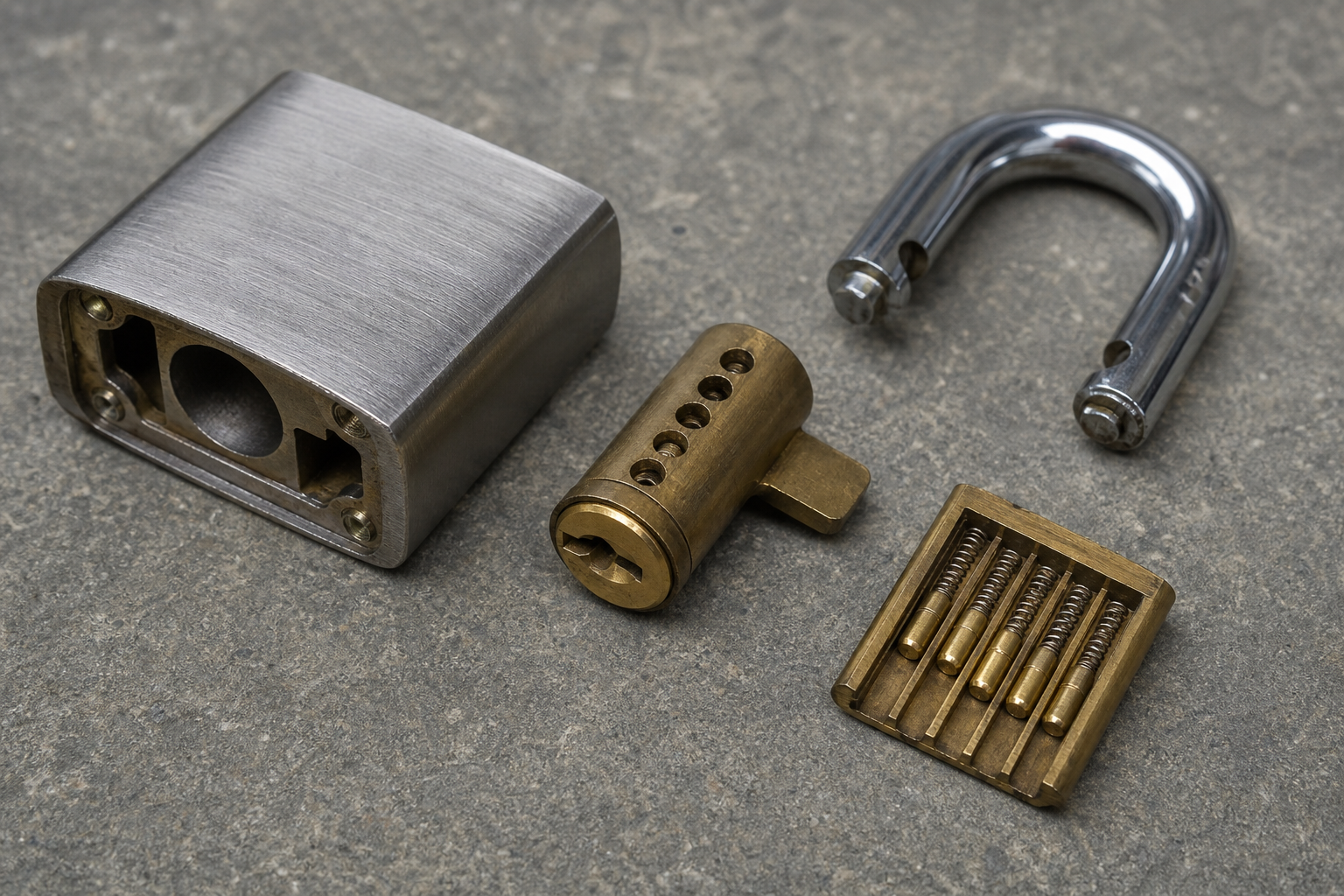
While smart locks are all the rage, traditional padlocks aren’t going anywhere. They don’t depend on software, network signals, or battery power. I’ve used a trusty padlock on my back gate for 15 years — no dead batteries, no network signal issues — just solid security.
Yuefong Lock knows this well. Their production efficiency shows in their delivery times. Most factories quote 30 days for samples but here’s a kicker: we deliver in 3-5 days because we own the mold shop. Owning the whole process makes the difference, you see?
False Sense of Security with “Advanced Technologies”
All those “fingerprint recognition” and “geofencing” technologies sound impressive until they misfire. Fingerprint sensors, for instance, fail to recognize prints if your fingers are wet or dirty. It’s supposed to be high-tech, but even grease can fool it. You’ll need that backup key which everyone seems to forget to carry.
How many times did you enter your home in blazing sun during noon and found the sensor too hot to work? And your backup key? It’s under that floor mat until someone else finds it.
Smart Locks vs. Mechanical Rotaries: The Reliability Factor
last but not least, mechanical rotary locks have, let’s face it, been around forever with good reason. They are mechanical, simple, and hard to manipulate unnoticeably. Each click gives you feedback — you know precisely what’s happening behind the curtains. Smart locks lack this tactile interaction, making it harder to diagnose issues without tech support.
I remember during testing, smart locks would misfire codes when trying a fury of wrong passwords, effectively locking legit users out for hours until a reset. Compare this to a physical lock picking attempt — the latter provides fewer surprises to the user. Who’d have thought the new-age solutions can cause heartache more frequently than good old padlocks?
Look, everyone wants convenience and control, but at what cost? Next time you consider a smart lock, think about the stories — from folks locked out in freezing temperatures to unexpected battery or network issues. Sometimes, the advancements in “smart” tech need a reality check.