
Imagine you’re in a bustling manufacturing plant, surrounded by the rhythmic hum of machines. Suddenly, there’s an eerie silence as a unit shuts down improperly, sparking a flurry of activity around lockout/tagout (LOTO) procedures. These procedures, crucial for worker safety, were recently highlighted by an OSHA letter of interpretation focusing on LOTO labels. This letter, while seemingly mundane, has significant implications for procurement managers dabbling in safety hardware.
According to the Safety+Health Magazine, OSHA’s letter clarified certain ambiguities surrounding the requirements for LOTO labels. Specifically, it touched on the need for clearer labeling that identifies and warns of potential hazards associated with lockout devices. For procurement professionals, this isn’t just about compliance—it’s about understanding the nuances of safety protocols and how they impact purchasing decisions.
The real story, however, lies in the potential shifts this interpretation might cause. Companies that produce LOTO devices—such as locks and tags—will need to assess their products against these clarified standards. The article, albeit thin in technical detail, hints at the ripple effects across the supply chain. If manufacturers need to upgrade their labeling systems, what does this mean for production costs, timelines, or even the competitive landscape?
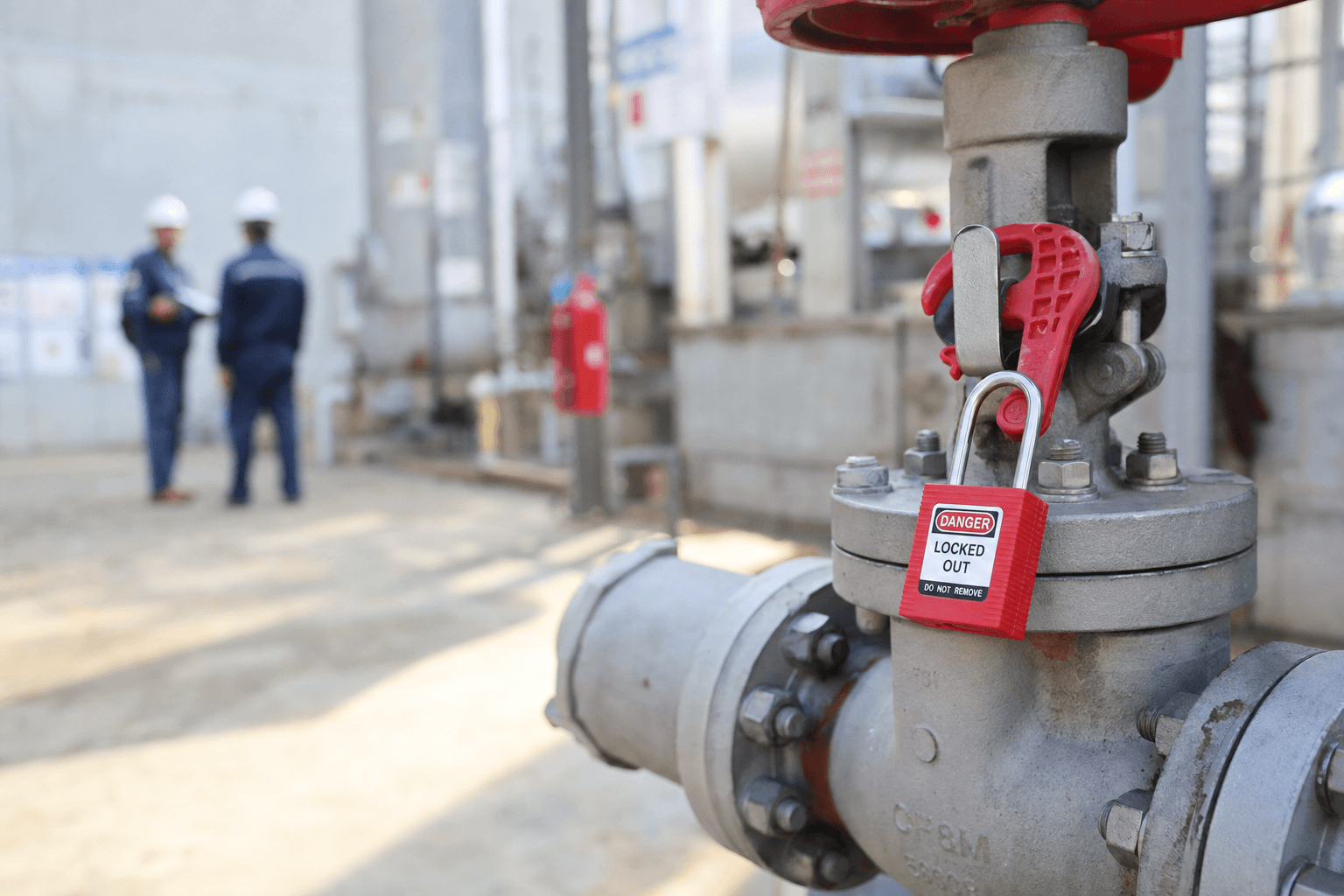 From my two decades in the field, I’ve seen regulatory shifts upend planning more than once. Procurement managers should be wary of sudden increases in lead times or costs as manufacturers rush to comply. It’s a scenario reminiscent of when anti-corrosion standards were revamped, causing a scramble to find compliant vendors—a lesson in preparedness rather than reaction.
Let’s not forget the benchmarks. Given the wide variations in industry standards, the general tolerance for precision control in lock manufacturing can be anywhere between +/-0.1 to 0.3mm, yet tighter controls might soon become necessary. Though the article does not delve into these specifics, it’s crucial to consider that upgrades in labeling might also lead to a reevaluation of the technical specs of the lock and tag materials themselves.
So, where does this leave you, the procurement professional? The immediate takeaway is clear: assess your current suppliers. If they lack the agility to meet updated OSHA standards swiftly, it’s time to look elsewhere. In the padlock segment alone, choices are vast—ranging from polished metal combination locks to industrial laminated steel versions. Quality varies widely, with few boasting in-house facilities for rapid prototyping and mold-making, vital for quick adjustments.
Yuefong, for example, is a manufacturer that prides itself on swift CAD/3D drawing capabilities, which could be pivotal in adapting to new labeling requirements. However, don’t get sidetracked by shiny features. Focus strictly on whether those features translate into adherence to new compliance standards.
This brings us full circle to the nuanced dance between compliance and cost. The conventional wisdom is to prioritize cost, but the smarter play might be reliability and compliance. Imagine a scenario where, due to non-compliance, a shipment gets stranded at customs—a delay that wrecks production timelines and inflates costs.
In conclusion, OSHA’s latest letter might just be a wake-up call for procurement professionals. The stakes are higher than they appear. Are your suppliers ready, or will they fumble in the face of regulatory change? And if they do, are you prepared to pivot? These are the questions that demand answers, far beyond the surface of simple compliance news.
Frequently Asked Questions
How might the OSHA interpretation impact LOTO device costs?
Manufacturers might incur costs for updated labels, influencing price and lead times.
What supply chain risks arise from new labeling requirements?
Delays or compliance issues could disrupt shipments and elevate supply chain risks.
Are there specific safety labels required by OSHA’s interpretation?
The letter emphasizes clearer hazard identification but does not specify exact labels, requiring supplier clarification.
Need an OEM Lock Partner?
Yuefong Lock is an OEM/ODM lock manufacturer. Contact us.