Why Most Buyers Fail at OSHA LOTO Compliance
Imagine this: You’ve just purchased a batch of lockout tagout (LOTO) locks for your facility, only to find out during an OSHA inspection that they don’t meet the standard requirements. Non-compliance isn’t just a regulatory headache—it comes with hefty fines and increased safety risks.
Too many procurement managers assume any padlock will do the job. It’s a costly assumption, both financially and for worker safety. The truth is, all locks are not created equal, especially when it comes to meeting OSHA LOTO lock requirements.
The Specifics: What Makes a Lock OSHA Compliant?
Under the Occupational Safety and Health Administration (OSHA) standards, each piece of equipment must have a lock that is durable, standardized, substantial, and identifiable. Here’s a breakdown of what these mean:
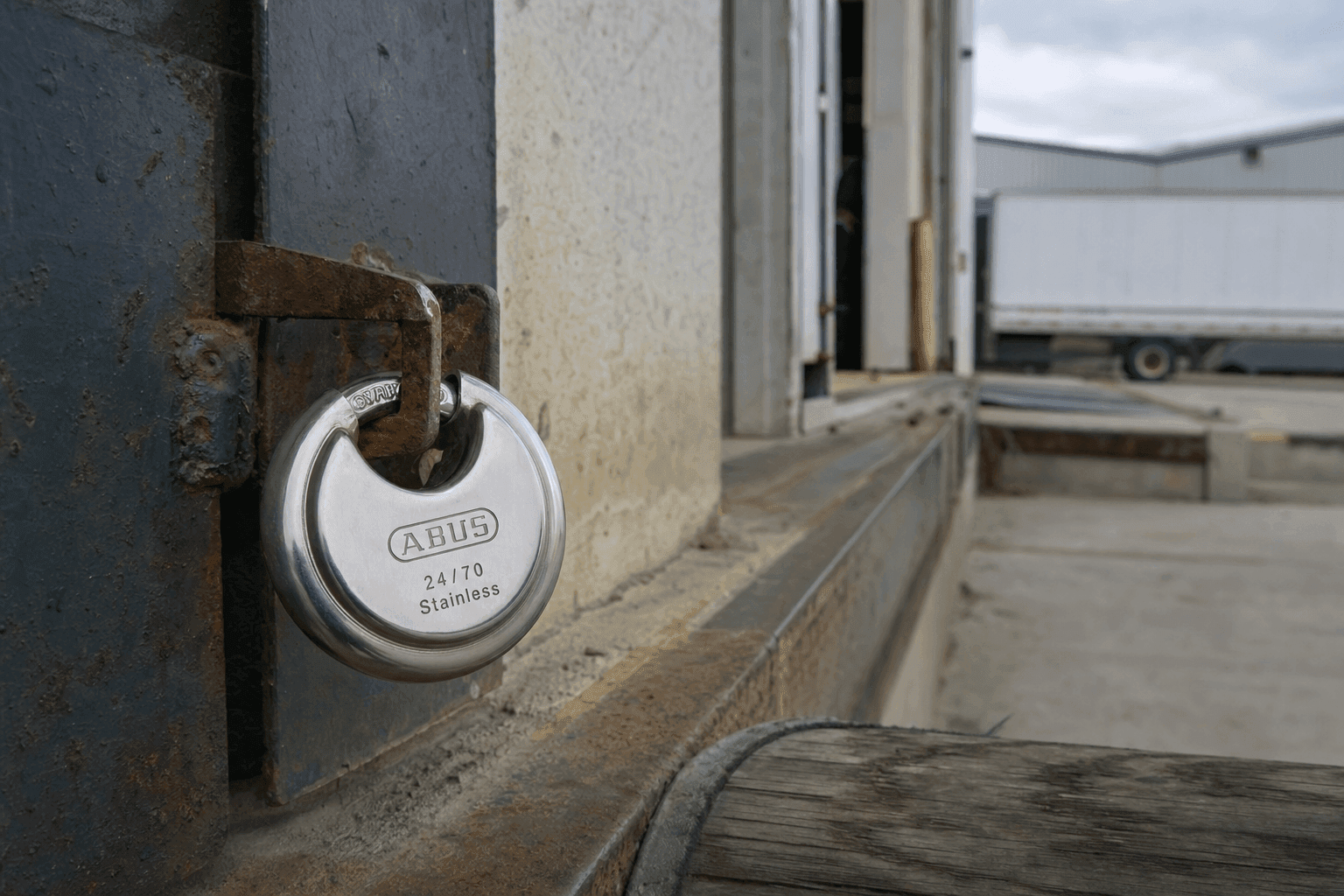
- Durability: Locks must withstand the environment where they are used. For example, the 120-hour salt spray test, which Yuefonglock performs as standard, indicates resistance to corrosion and ensures longevity in demanding conditions.
- Standardization: Each lock should have a standardized design and color across the facility to be easily recognized. Non-standard locks create confusion and risk non-compliance.
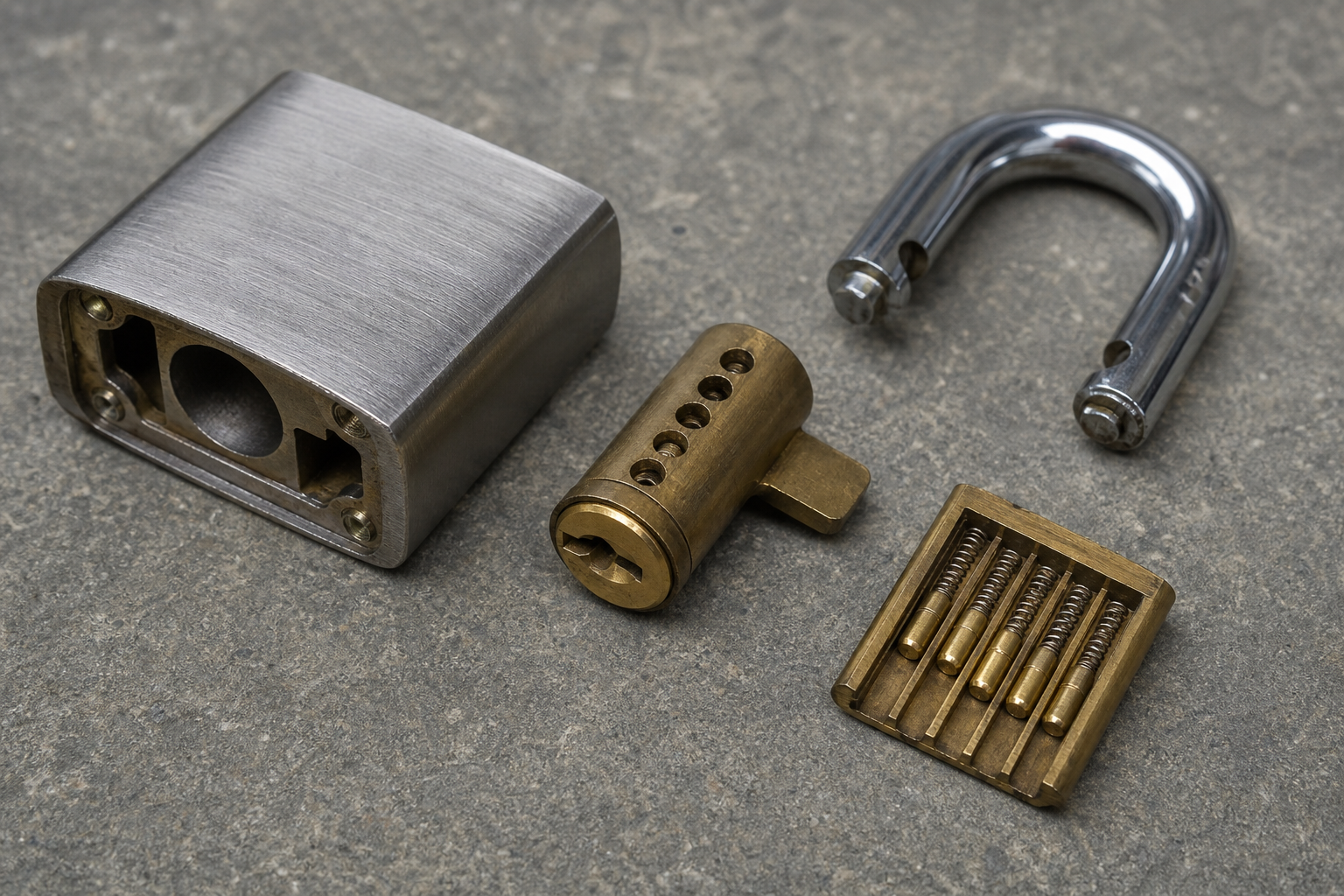
- Substantial: The locks should be robust enough that removing them requires excessive force or tools. Locks with precision tolerances, like those produced by Yuefonglock with a ±0.02mm precision, offer significant resistance to tampering.
- Identifiable: Engravings or labels must be clear and resistant to wear, ensuring that the lock is easily traceable to the responsible personnel.
Common Pitfalls to Avoid in Procurement
- Ignoring the Environment: A lock that performs well indoors might fail outside. Always demand tests like the salt spray test for locks exposed to the elements.
- Overlooking Standardization: Mixing and matching locks from different suppliers can lead to varying keys and inconsistent standards, complicating compliance.
- Assuming Certification Equals Compliance: While certifications like ISO9001 and CE are indicators of quality, they don’t necessarily mean a lock meets OSHA specifics. Always verify the lock’s actual performance data against OSHA LOTO lock requirements.
Are Factory-Direct Purchases Worth It?
Direct sourcing from manufacturers like Yuefonglock can mitigate supply chain risks and ensure control over quality and compliance. With a 25-35 day lead time for mass production, their processes are not just swift but also thoroughly inspected. A key advantage here is their practice of 100% product inspection, a rarity when dealing through trading companies.
A Quick Comparison: What to Prioritize
| Requirement | Why It Matters | What to Ask For |
|---|---|---|
| Durability | Ensures long-term safety | Request 120-hour salt spray results |
| Standardization | Reduces confusion and risk | Consistent design and color |
| Substantial | Prevents unauthorized removal | Precision-built with tight tolerances |
| Identifiable | Easy traceability to personnel | Clear, durable engravings |
A Closing Thought: Is Your Current Setup Really Safe?
If you can’t confidently answer that your locks are OSHA compliant, it’s time to reassess your sourcing strategy. Consider the implications of safety failures and financial penalties. As with any regulation, working with knowledgeable, reliable manufacturers can make all the difference.
Frequently Asked Questions
What are the consequences of failing OSHA LOTO lock requirements?
Non-compliance can lead to significant fines and increased accident risk due to inadequate safety measures.
How does the 120-hour salt spray test impact lock selection?
It ensures locks can withstand environmental exposure, critical for outdoor applications to prevent corrosion.
Why is the precision of lock construction significant?
Precision (like ±0.02mm) ensures locks are tamper-resistant and robust, meeting substantiality requirements.
Secure Your Supply Chain with a True Source Factory
Yuefonglock’s 70,000㎡ facility offers 3-5 day rapid OEM quoting and 120-hour salt spray tested durability. Contact our engineering team today.