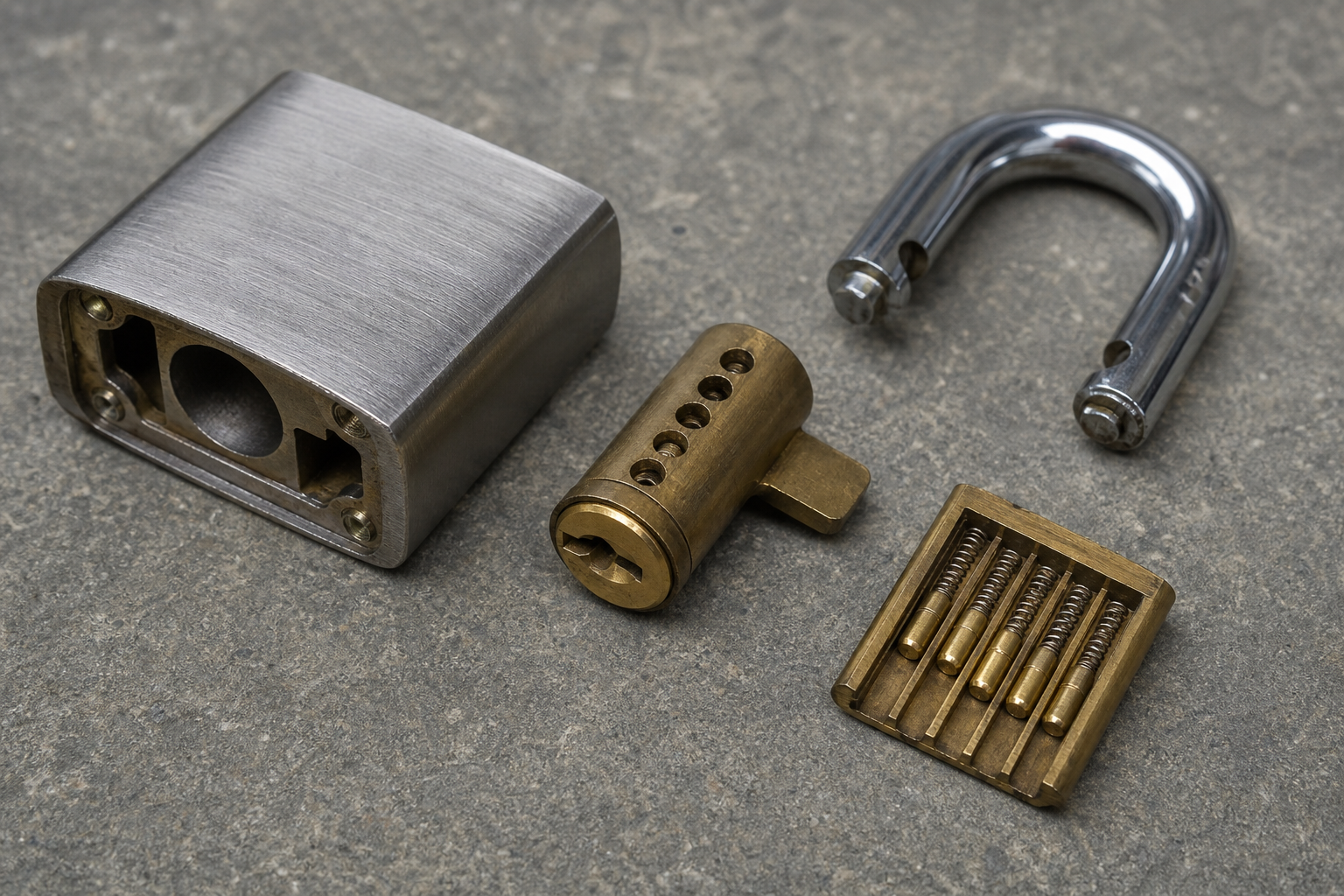
Harry Soref’s passing marks the end of an era in the lock industry. Known for his ingenious invention of the laminated padlock, Soref’s Master Lock Company has been synonymous with security for decades. This article from The New York Times reveals his monumental contributions and his impressive portfolio of eighty patents.
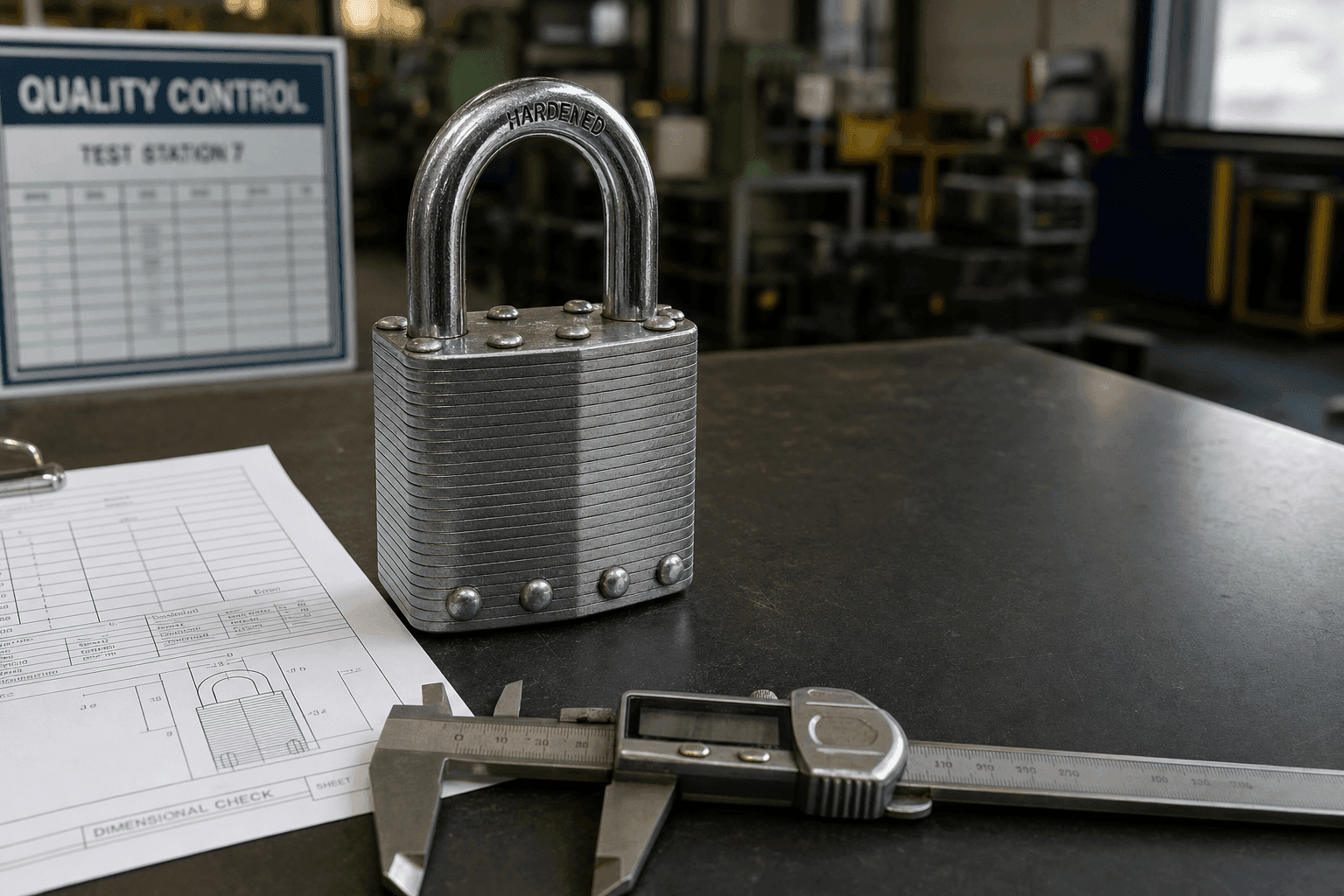
Soref’s laminated padlock stood out not only for its innovative design but its practical resilience. Developed in the early 1920s, the padlock used layers of steel to create a durable and tamper-resistant product. The simplicity and effectiveness of this design have had a long-lasting impact on security hardware. But what does this mean for procurement managers who are sourcing security solutions today?
One key takeaway is the significance of innovation that addresses specific problems. Soref’s design arose from the necessity for affordable and reliable security. As cited in the New York Times article, his ability to blend functionality with cost-effectiveness reshaped the padlock industry. For procurement professionals, this underlies the importance of evaluating whether a product genuinely solves the practical problems faced by end-users.
The importance of material choice is another critical angle. Soref’s use of laminated steel provided an ideal balance of strength and weight, an aspect often overlooked in today’s cost-driven purchasing decisions. In my visits to factories across China, Germany, and Turkey, I’ve observed too many buyers focusing solely on price, sometimes resulting in catastrophic failures, like when a buyer in Lagos had to reject an entire shipment due to inferior material choice.
 But the brilliance of Soref’s design also raises questions about modern developments. The global padlock market is now shifting towards smart solutions. According to market statistics, the smart lock industry is projected to reach $4.1 billion by 2027, with the Asia-Pacific region dominating OEM output. This begs the question: Is the laminated steel padlock becoming obsolete?
My take is that traditional designs like Soref’s still hold an irreplaceable niche, particularly in environments where electronic solutions are impractical or overly costly. While smart locks offer convenience, they often come with vulnerabilities that laminated padlocks don’t face, such as hacking risks or battery failures.
For procurement managers, the legacy of Soref’s innovation highlights the need to balance modern technology with tried-and-tested designs. A laminated padlock might not be trendy, but it’s reliable. In sectors like construction or warehouse management, where the environment can be harsh, the robust physical security offered by laminated steel remains unmatched.
For context, consider companies like Yuefong, which continue to incorporate legacy design principles with modern manufacturing techniques. Their reported precision of ±0.02mm and rigorous 120-hour salt spray tests ensure that even traditional locks meet today’s quality expectations.
As we reflect on Soref’s legacy, it is vital for procurement professionals to critically assess not just what is new, but what works best for their specific context. Are we chasing innovation for its own sake, or are we ensuring that new developments continue to solve the real-world challenges they are intended to?
Ultimately, the story of Harry Soref is not just about the past; it’s a guiding principle for how we should approach procurement decisions today. How are we choosing to secure our assets, and what are the real costs of those decisions? Soref’s life prompts us to ask these difficult but necessary questions.
Frequently Asked Questions
What impact did Harry Soref’s laminated padlock have on the industry?
It introduced durability and cost-effectiveness, reshaping security hardware expectations.
Are traditional laminated padlocks still relevant in a market moving towards smart locks?
Yes, they offer unmatched reliability, especially in harsh environments where smart locks may fail.
How does material choice affect procurement decisions for padlocks?
Choosing the right materials ensures durability and prevents costly rejection of subpar shipments.
Need an OEM Lock Partner?
Yuefonglock offers ±0.02mm precision and 10M annual capacity. Contact us.