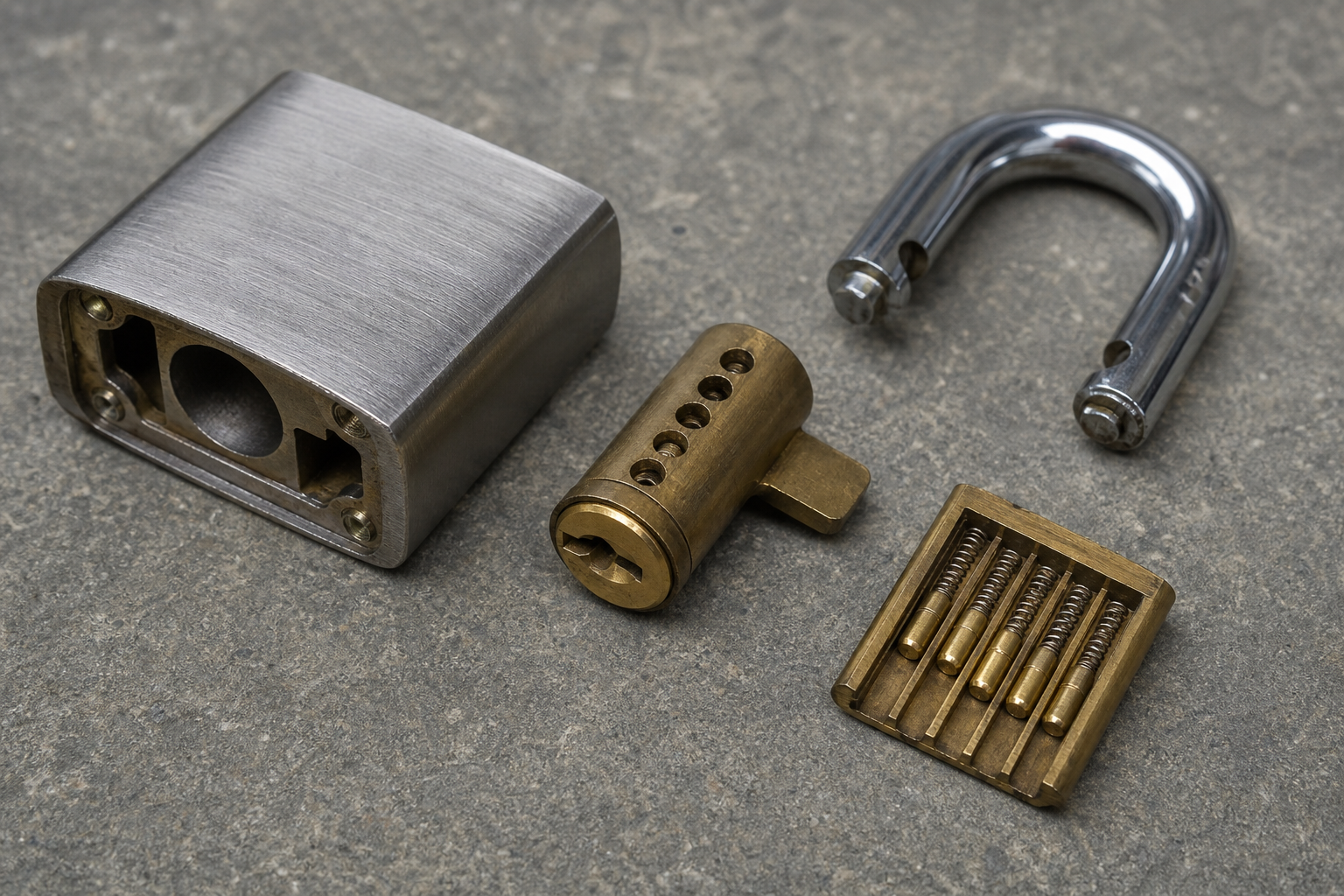
Pin Tumbler vs Disc Detainer: Lockpick Resistance
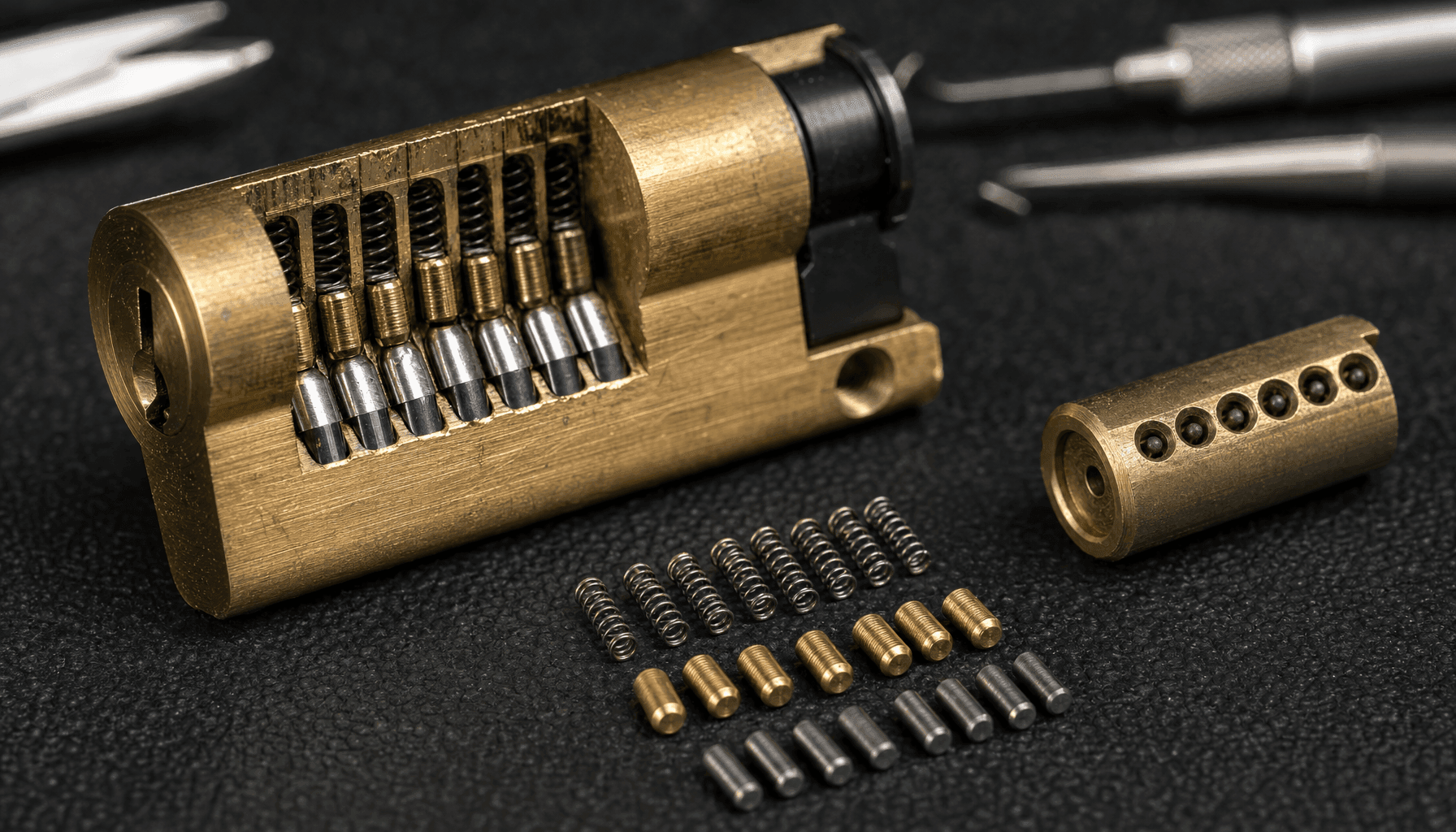
Pin tumbler locks are a mechanical lock mechanism that is widely used due to the simplicity and cost-effectiveness they offer in mass production.
However, despite their popularity, procurement managers often face challenges when balancing cost against security, particularly when considering alternatives like disc detainer padlocks. This article explores why enthusiasts struggle with disc detainers while commercial buyers continue to prioritize pin tumblers.
Understanding the Mechanics
Pin tumbler locks operate on a system of pins and springs that are aligned by a key, allowing the lock to open. Disc detainer locks, on the other hand, use rotating discs that must be aligned to allow the lock to turn. The subtlety in the mechanism of disc detainer locks often makes them less susceptible to lockpicking through conventional methods prevalent in locksport communities.
According to the TOOOL bypass database, pin tumbler locks are frequently featured due to their conventional bypass methods, whereas disc detainers demand far more specialized tools and techniques for manipulation.
Industry Standards and Testing
The ANSI/BHMA grade tests for locks, including pick resistance, are recognized benchmarks in the industry. These tests categorize locks based on their durability, strength, and security, with higher grades indicating more robust resistance against picking.
Disc detainer locks often surpass pin tumbler locks in these tests due to their complex design which offers fewer manipulative access points, a fact documented in multiple procurement evaluations.
Spool vs Serrated Pins
Pin tumbler locks often incorporate spool and serrated pins to enhance their pick resistance. Spool pins can trap a lockpicker by simulating a false set, while serrated pins create multiple false set points that confuse picking attempts.
This layering of pin security is why these locks remain popular despite the noted passivity in public perception regarding their security levels.
Balancing Cost and Security
Cost continues to drive procurement decisions. Pin tumbler locks, while less resistant than disc detainers, remain cost-effective for high-volume orders. Factories with in-house mold workshops, such as Yuefong Lock in Jiangmen, can compress prototyping cycles to 3-5 days, illustrating why investments often favor pin tumblers for affordability and rapid deployment.
In summary, the balance between these factors dictates procurement priorities, compelling a continuous dialogue between cost management and security enhancement.
Frequently Asked Questions
Why do some manufacturers still use pin tumblers?
Despite being easier to pick, pin tumblers are cost-effective and simple to produce at scale.
Are disc detainers more secure than pin tumblers?
Yes, disc detainers generally offer better resistance to traditional picking methods.
What standards assess lock security?
ANSI/BHMA grade tests evaluate locks’ durability, strength, and security, including pick resistance.
Industry References
Version 1.0 — Published May 16, 2026 · Editorial review window: 90 days