
Combination Padlocks: Fleet & Locker Cost Analysis
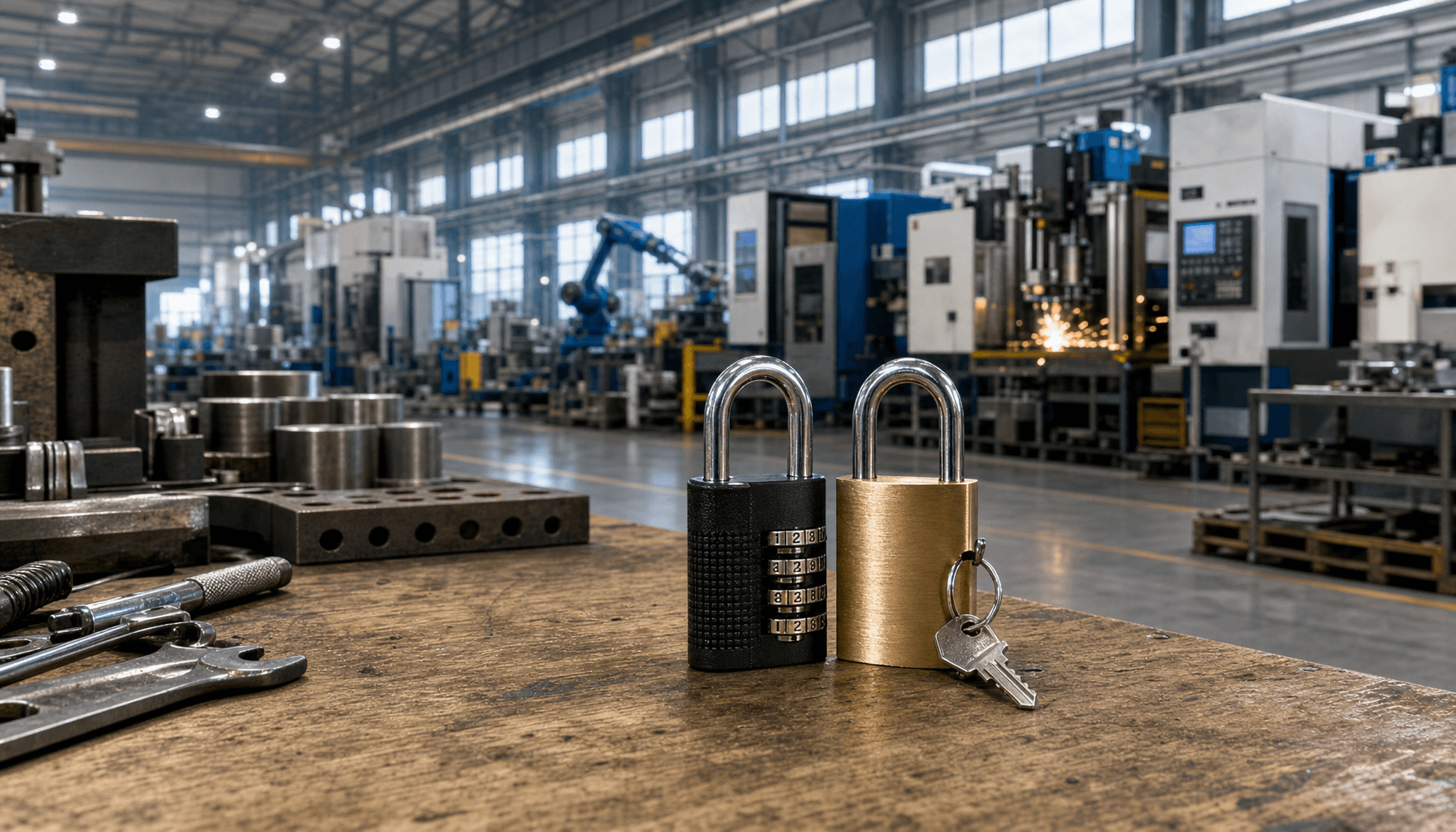
Combination padlocks are security devices that allow access without the use of keys, relying on user-set numerical codes instead. In sectors such as education and athletics, these have become increasingly popular due to their ability to mitigate the financial and logistical burdens associated with lost keys.
This article examines the cost implications of transitioning from keyed to combination padlocks, particularly in environments such as school districts and gyms where asset management efficiency is critical.
Key Loss versus Combination Reset: A Cost Overview
The financial impact of lost keys in institutions such as schools and gyms can be significant. According to industry data, key replacement costs in educational settings can range from $25 to $75 per lock, not including labor or downtime. This contrasts with combination resets, which typically cost less than $5 per lock when needed.
Another major factor is the frequency of replacement versus reset. Many facilities report needing to replace keys multiple times per year due to loss or theft, particularly in high-traffic areas. Conversely, combination padlocks may require a reset only at the start or end of a term, representing a considerable cost-saving maneuver. The National Institute of Standards and Technology (NIST) notes that security management systems incorporating combination locks reduce operational delays by safeguarding against unplanned key loss.
The Rise in TSA-Approved Padlocks
TSA-approved combination padlocks have gained traction, particularly in logistics and travel sectors, due to their compatibility with international security protocols. According to TSA guidelines, these locks can be accessed by transportation security officials without damaging the lock, striking a balance between security and accessibility. For industries managing fleets, such as transportation or logistics, these padlocks reduce the likelihood of lock damage during inspections, thus cutting replacement and repair costs. In markets such as the GCC, where logistical efficiency is paramount, TSA-approved locks have become industry standard.
Market Adaptations in the Security Hardware Segment
As global demand for more secure and efficient padlock solutions grows, manufacturers are exploring innovative approaches to cater to evolving market needs. Zinc alloy, frequently used in combination padlocks, is favored for its resilience against physical attacks and corrosion, crucial in outdoor or high-humidity applications. Industry leaders like ASSA ABLOY have invested in multi-layered security mechanisms within combination padlocks to enhance tamper resistance.
Manufacturers like Yuefong Lock in Zhongshan are well-positioned to meet these demands with in-house mold workshops enabling quick prototyping and customization of padlock designs. Such capabilities allow procurement managers to source highly customized solutions without compromising lead times.
Explore our comprehensive padlock and smart security solutions for OEM/ODM requirements.
Evaluating Fleet Management Solutions
Procurement managers must weigh the benefits of integration with existing security systems, especially when managing a fleet of vehicles or lockers. Combination padlocks feature user-friendly interfaces and flexible access control, making them compatible with digital administration tools for fleet management. This compatibility allows for real-time auditing and centralized control, improving transparency and operational efficiency.
Further integration can offer seismic shifts in efficacy. For instance, electronic combination padlocks that sync with mobile applications provide advanced connectivity options, surpassing traditional keyed systems. The ability to remotely manage and audit locks means downtime related to lockouts or lost keys can be drastically reduced, translating into cost savings.
| Factor | Combination Padlocks | Keyed Padlocks |
|---|---|---|
| Reset/Replacement Cost | $5 (typical) | $25-$75 per key |
| Security Inspection Compliance | TSA-approved options | Requires lock replacement if damaged |
| Customization | High (quick prototyping) | Moderate |
| Integration | High with fleet management systems | Low |
Frequently Asked Questions
How often should combination padlocks be reset?
Combination padlocks typically need resetting at the start or end of terms, depending on usage, compared to frequent key replacements required for keyed padlocks.
What are TSA-approved padlocks?
TSA-approved padlocks can be opened by security officials without damage, ideal for sectors that require frequent inspections.
How do combination padlocks integrate with modern security systems?
Combination locks are compatible with digital fleet management systems, allowing synchronized monitoring and control for better efficiency.
Industry References
Version 1.0 — Published November 7, 2026 · Editorial review window: 90 days