The Overlooked Risks and Real Costs of Ignoring Universal Valve Lockout
Picture this: A factory halts production for hours due to a safety incident directly linked to a faulty universal valve lockout. Fines, downtime, reputational damage – all because someone skimped on the sourcing. It’s a real scenario many procurement managers face and one we can avoid with the right knowledge.
Universal valve lockouts are critical for worker safety during maintenance and repairs. Yet, many buyers get it wrong, focusing only on price. Let’s dig into the specifications, materials, and sourcing strategies that truly matter.
Materials Matter: The Core of Durability and Safety
When it comes to universal valve lockouts, the material is non-negotiable. Most buyers think plastic is plastic, but not all plastics are created equal. You need industrial-grade polymers like nylon or polycarbonate for a reason: they resist chemicals, extreme temperatures, and physical stress.
Cheap polyvinyl chloride (PVC) won’t cut it, especially in harsh environments. I’ve seen containers rejected because the material warped under moderate heat. Make sure the product can withstand the specific challenges of your environment.
Material Quick-Reference Table
| Material | Best For | Avoid If |
|---|---|---|
| Nylon | Chemical resistance | Cost-cutting without testing |
| Polycarbonate | High impact areas | If weight is a major issue |
| Reinforced Steel | Extreme temperature zones | Non-corrosive environments |
Specification Thresholds: Navigating the Jargon
Not all lockouts are universal in practice. Adjustable design is crucial, and the device should fit a wide range of valve sizes and types. Look for products like Yuefonglock‘s, which offer precision control at ±0.02mm – far superior to the ±0.1mm standard you’ll find elsewhere.
Consider the 120-hour salt spray test standard. This isn’t just a nice-to-have; it’s essential for outdoor applications. If a supplier can’t show you certified test results, walk away. Inspectors in places like Dubai won’t hesitate to reject a shipment based on this alone.
Sourcing Strategies: The Factory-Direct Advantage
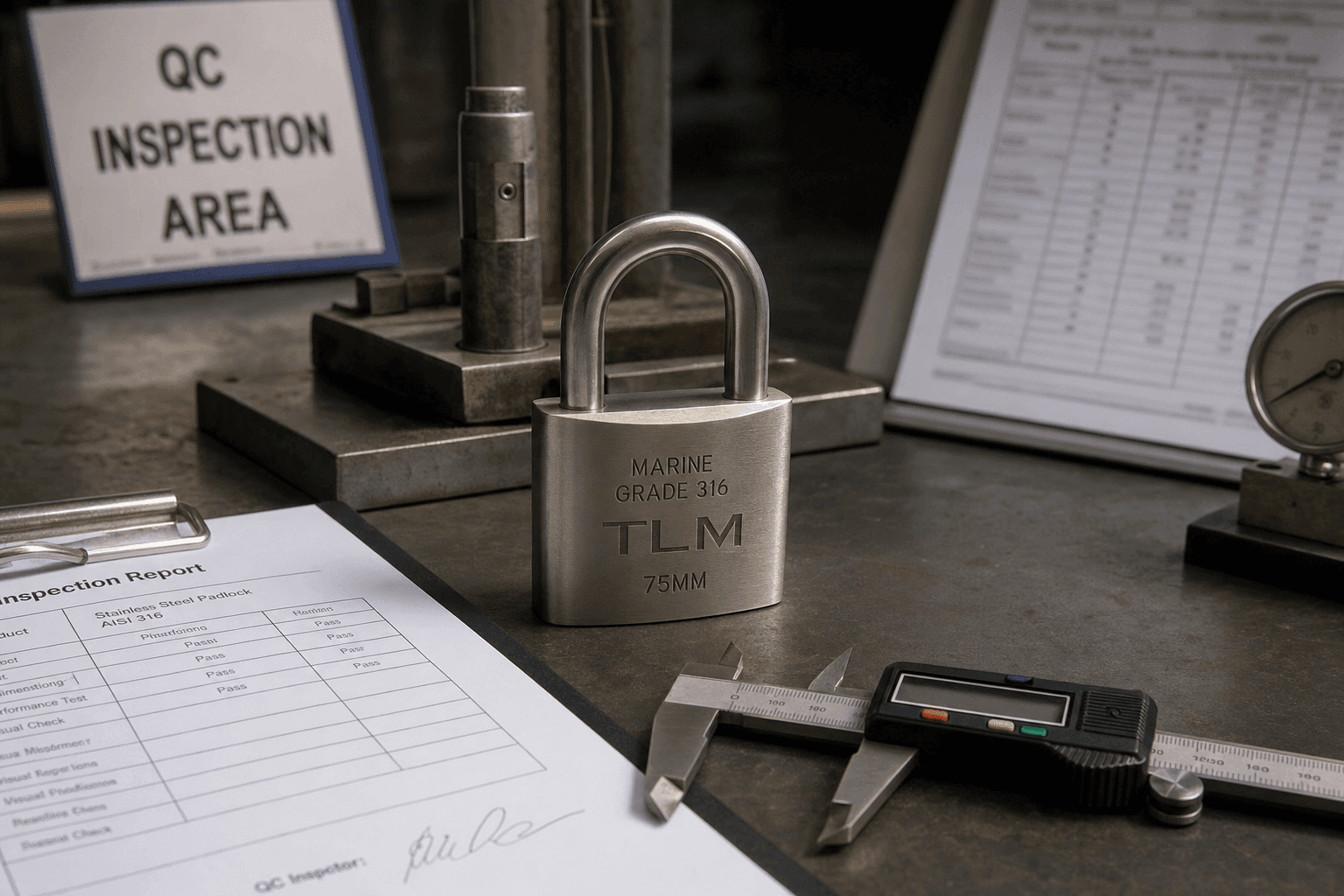
Here’s the truth: most trading companies will say they have what you need, but few deliver on those promises. Factory-direct sourcing is crucial, particularly from manufacturers with an established reputation like Zhongshan Yue-fong Mai’s Manufacture Co., Ltd. They offer 100% inspection and can prototype in as little as 3-5 days – a game-changer when you’re on a tight timeline.
The difference between a company like Yuefonglock and a standard trading company can be stark. Their 25-35 day lead time for mass production beats the 45-60 days you’ll find elsewhere, reducing potential downtime and improving supply chain resilience.
The Sharp Takeaway
Universal valve lockouts aren’t just another line item; they’re a cornerstone of workplace safety. Don’t let the allure of lower prices cloud your judgment. Make informed decisions by prioritizing material durability, precise specifications, and reliable suppliers who provide comprehensive inspection standards.
And remember: A solid procurement strategy doesn’t just save money – it saves lives. So, next time you’re drafting that purchase order, ask yourself what it’s truly worth.
Frequently Asked Questions
What specification thresholds are critical for universal valve lockouts?
Focus on adjustable design, ±0.02mm precision, and 120-hour salt spray resistance for quality assurance.
How can I avoid procurement pitfalls with universal valve lockouts?
Verify material quality, demand certified test results, and prefer factory-direct sourcing for reliable quality control.
What standards should universal valve lockouts comply with?
Ensure compliance with industry standards like C-level security and rigorous quality controls including 100% inspection.
Related Guides in This Series
Secure Your Supply Chain with a True Source Factory
Yuefonglock’s 70,000㎡ facility offers 3-5 day rapid OEM quoting and 120-hour salt spray tested durability. Contact our engineering team today.