ASSA ABLOY, a global leader in access solutions, has just announced its acquisition of PACLOCK, a US-based manufacturer known for its high-security padlocks. This move signals a strategic expansion into the niche but growing sector of padlock manufacturing, a move that could reshape competitive dynamics in the industry. But what does this really mean for procurement professionals and the broader market?
According to the source, TradingView, the acquisition is expected to strengthen ASSA ABLOY’s position in the security hardware market, especially in the North American segment. However, the specifics of the deal, such as the financial details or the integration plans for PACLOCK under the ASSA ABLOY brand, are not disclosed. This lack of detail might suggest one of two things: either the acquisition is straightforward and uncontentious, or there are strategic complexities at play that are not being revealed upfront.
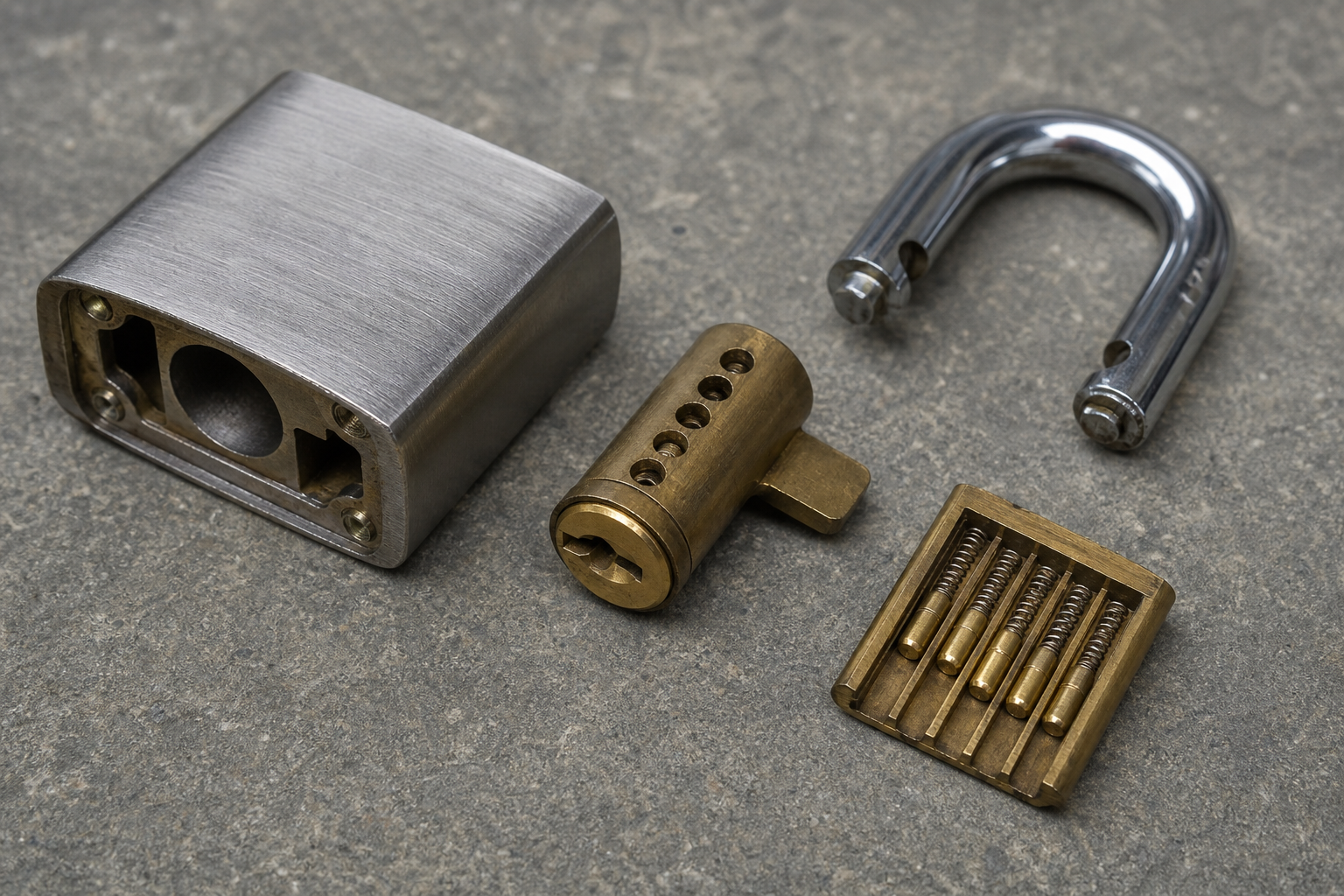
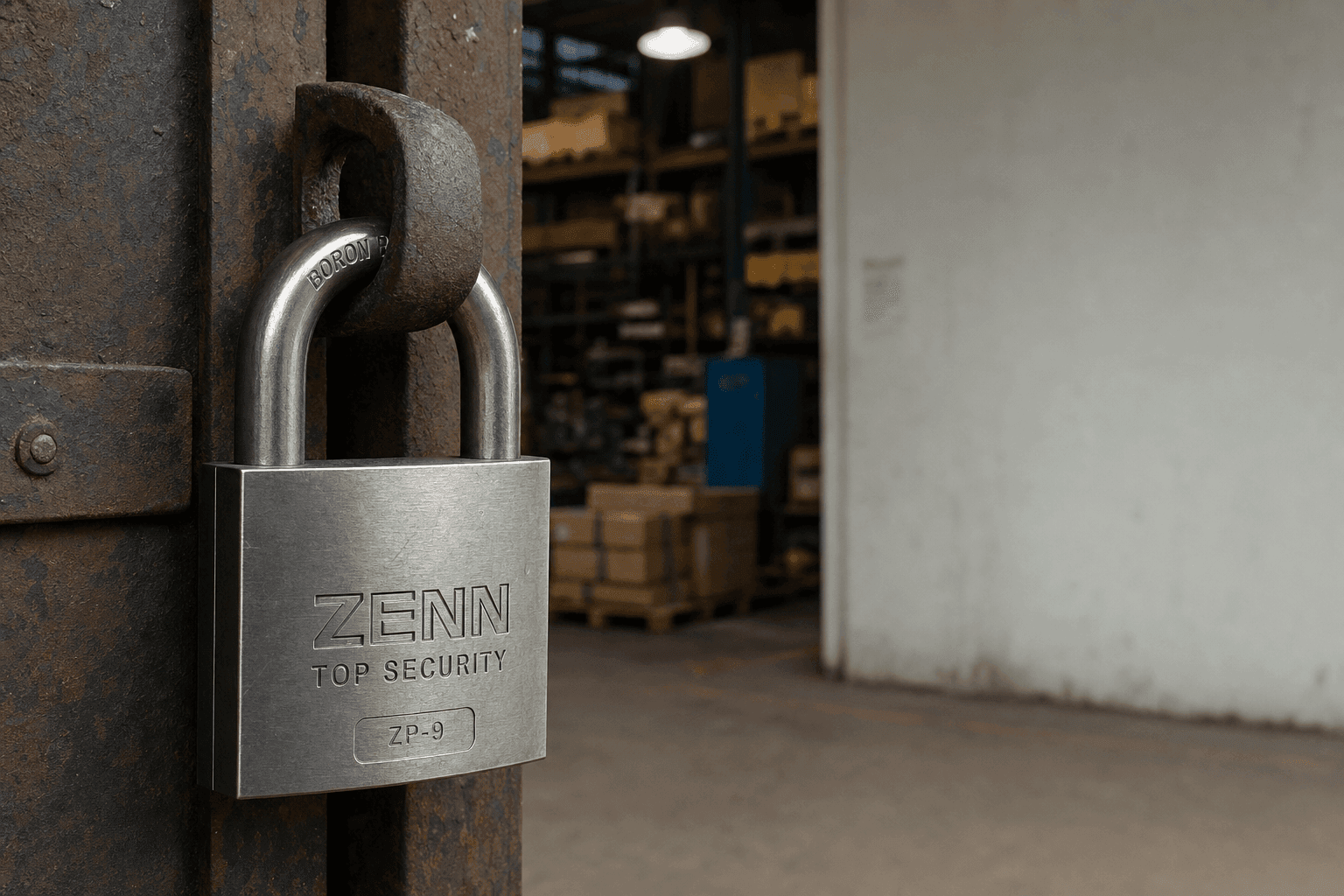
What procurement managers should note is the emphasis on the specialized nature of PACLOCK’s products. Known for their robust security features, PACLOCK has carved out a niche with products like their industrial laminated steel padlocks and LOTO (Lockout-Tagout) safety padlocks. These are not your standard, off-the-shelf locks but are highly specialized products designed for industrial applications. For procurement professionals, this means a potential uptick in the availability and diversity of high-security padlocks supplied by a global titan like ASSA ABLOY.
The real angle here is the growing focus on specialized segments within the lock industry. While standard padlocks might have a broad application, products like LOTO safety padlocks are designed to meet strict industrial safety standards. This acquisition underscores the importance of specialization and compliance in procurement. Assuming PACLOCK maintains its niche focus under the ASSA ABLOY umbrella, there could be significant opportunities for buyers looking for products that aren’t just about security but also about meeting rigorous safety protocols.
 However, the implications of this acquisition extend beyond just the product portfolio. Consider the supply chain dynamics. With a larger corporate structure to support and potentially different operational processes, changes in lead times and pricing structures could be on the horizon. Procurement managers should be vigilant. Understanding these shifts early could mean the difference between a seamless transition and a supply chain hiccup.
A practical scenario comes to mind from my visit to a factory in Zhejiang, China. A buyer once rejected an entire shipment due to a negligible change in the product’s security specs, which weren’t communicated beforehand. The lesson here is clear: early communication about any product shifts, regardless of whether they’re due to acquisition integrations or other reasons, is crucial.
In contrast to the benchmarks provided, while some manufacturers face challenges with outsourced tooling or prolonged lead times, PACLOCK has catered directly to industry needs with their intricate designs. Now under ASSA ABLOY, expectations will shift towards an alignment of CAD turnaround and manufacturing precision, though it remains essential for procurement managers to verify how these standards evolve during this transition.
For context, companies like Yuefong, renowned for in-house mold workshops, offer insights into how an efficiently integrated manufacturing process can support rapid prototyping, something that PACLOCK could potentially leverage from ASSA ABLOY resources.
The acquisition speaks volumes about the industry’s direction — consolidation with a focus on specialized, high-security applications. The question remains: How will smaller players in the market respond? Will they shift towards more niche offerings, or focus on partnerships to bolster their capabilities?
These moves by giants like ASSA ABLOY cement the notion that in the hardware security industry, size and specialization matter, but so does the flexibility to adapt quickly to new challenges and demands. As procurement professionals evaluate the landscape post-acquisition, this flexibility, combined with open dialogues with suppliers regarding changes, will be key to navigating the evolving market.
Frequently Asked Questions
What impact will ASSA ABLOY’s acquisition of PACLOCK have on supply chain dynamics?
The integration could cause shifts in lead times and pricing structures, affecting supply chain management.
Are PACLOCK’s products compliant with industry safety standards post-acquisition?
PACLOCK products are specialized and designed to meet strict industrial safety standards, a focus likely to continue.
How might this acquisition influence regional market adjustments within the lock industry?
The acquisition may drive competitive responses, with potential shifts towards niche offerings by smaller players.
Need an OEM Lock Partner?
Yuefong Lock is an OEM/ODM lock manufacturer. Contact us.