Quick answer
A padlock shackle is the U-shaped metal bar that secures a padlock, available in various types like long, short, adjustable, and shrouded. Each type serves different security needs and installation constraints.
Padlock Shackle Definition
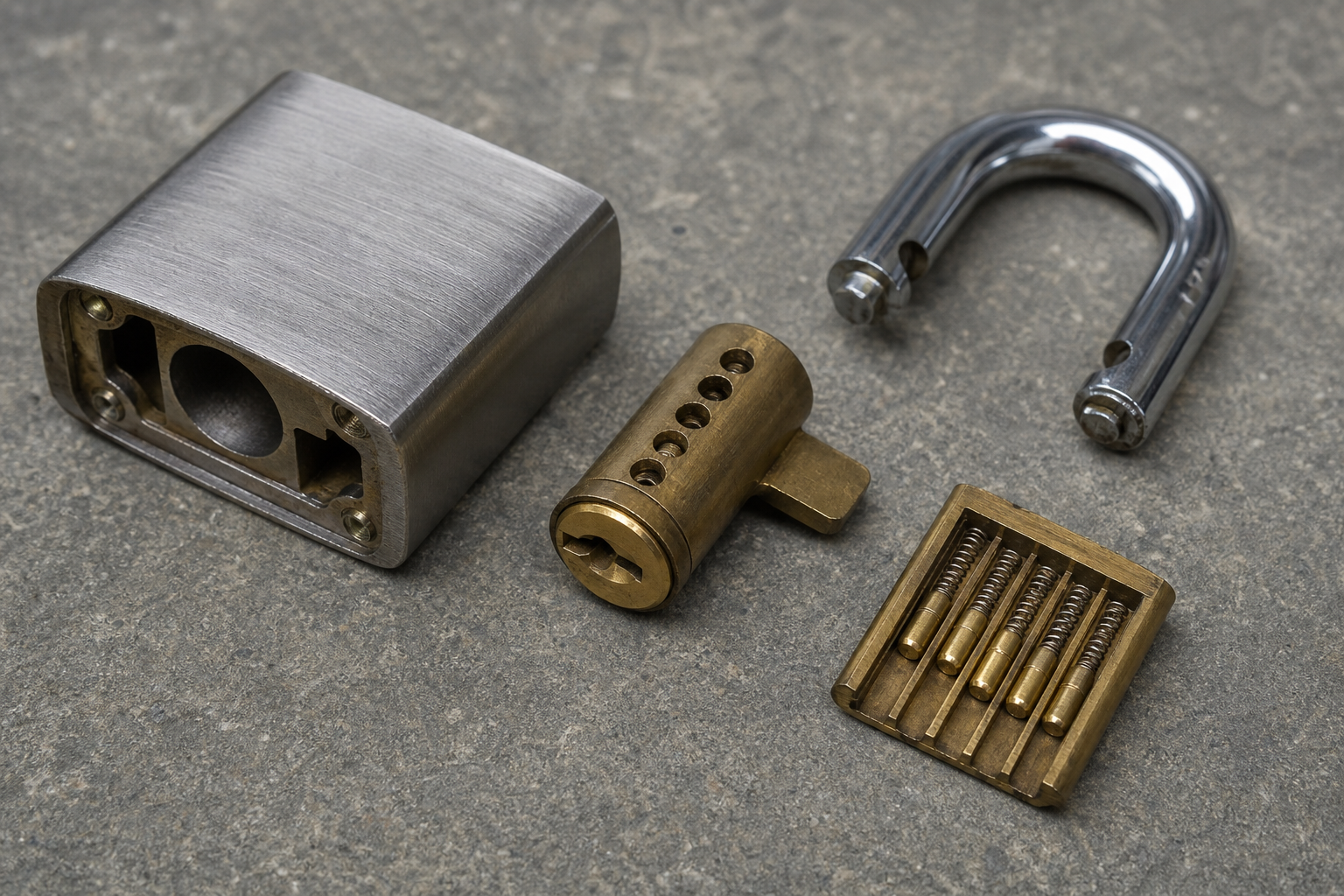
A padlock shackle is the U-shaped metal bar integral to a padlock's locking mechanism. It loops through the item being secured and locks into the padlock body. The shackle's design and material significantly influence the lock's security level. Shackles are made from materials like hardened steel to prevent cutting and are essential for the lock's overall strength.
How a Padlock Shackle Works
The shackle operates by threading through or around the object to be secured, then locking into the padlock's body. It is typically made from hardened steel to resist cutting and bending. When the padlock is locked, the shackle is held firmly in place by the locking mechanism inside the padlock body.
Upon unlocking, the mechanism releases the shackle, allowing it to be removed. The design ensures that any force applied to the shackle is distributed evenly, preventing easy tampering. Quality padlocks often feature shackles that meet specific tensile strength standards, ensuring they can withstand significant force without failure.
Padlock Shackle Specifications
Understanding the specifications of a padlock shackle is crucial for selecting the right lock for your needs. Key parameters include shackle diameter, material, and tensile strength, which affect security and application suitability. These specifications help determine the padlock's resistance to physical attacks and environmental conditions.
For instance, the diameter of the shackle can range from 4 to 12 mm, affecting both strength and flexibility. Materials like hardened steel are commonly used for durability, while coatings such as zinc or nickel provide corrosion resistance, essential for outdoor use.
| Parameter | Typical Range | Description |
|---|---|---|
| Diameter | 4–12 mm | Thickness of the shackle |
| Material | Hardened Steel | Commonly used for durability |
| Length | 20–100 mm | Distance between shackle ends |
| Tensile Strength | 500–1500 N | Resistance to pulling force |
| Coating | Zinc/Nickel | Protects against corrosion |
Types of Padlock Shackles
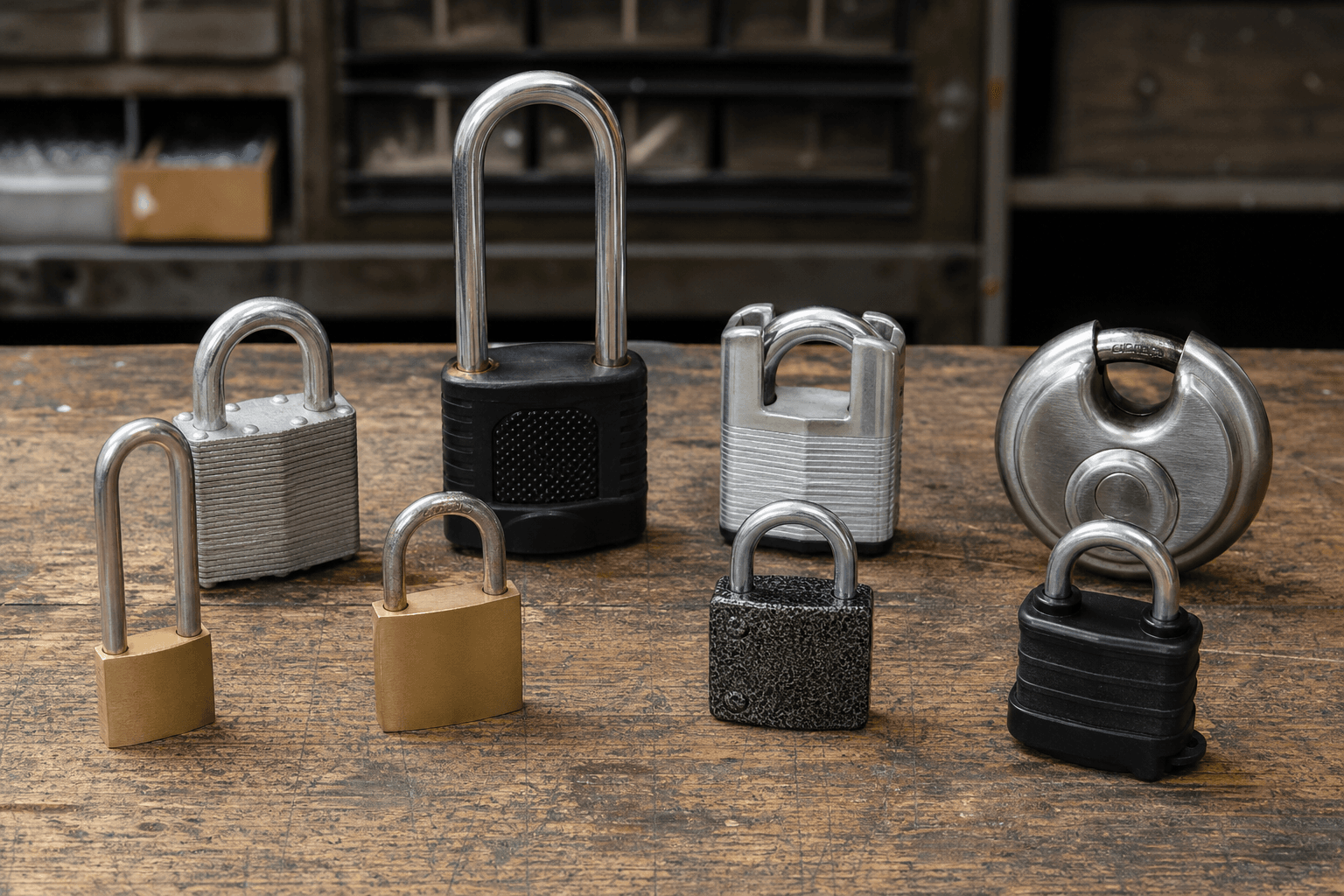
Padlocks come with various shackle types, each designed for specific applications. Long shackle padlocks offer greater reach and flexibility, making them suitable for locking multiple items together. They are ideal for situations where the padlock needs to wrap around larger objects or group items.
Short shackle padlocks provide enhanced security by reducing the exposed shackle length, minimizing potential leverage points for cutting tools. Adjustable shackles offer versatility by allowing length adjustments, while shrouded shackles add an extra layer of protection by covering the shackle to prevent tampering, making them suitable for high-risk environments.
Boundary Conditions for Padlock Shackles
Padlock shackles are not universally applicable. They are unsuitable for environments requiring high-security solutions like safes or vaults, as specialized locks are more appropriate. For example, areas with extreme weather conditions might require locks with specific coatings or materials to prevent corrosion.
Misunderstandings often arise when users select a shackle based solely on length or appearance. It's crucial to consider the specific security needs, exposure to environmental conditions, and potential tampering risks when choosing a shackle type. Inadequate selection can lead to compromised security and increased vulnerability to attacks.
Installation and Inspection of Padlock Shackles
Proper installation of a padlock shackle is essential to ensure its effectiveness and longevity. It is important to ensure that the shackle is fully engaged with the locking mechanism and that the padlock body is securely fastened around the object being protected. Regular inspection of the shackle for signs of wear, rust, or damage is recommended to maintain security.
Inspecting the padlock periodically helps identify potential weaknesses. Look for signs of corrosion, especially if exposed to harsh weather conditions. Ensure that the locking mechanism functions smoothly and that the shackle shows no signs of tampering. Regular maintenance can significantly extend the lifespan of the padlock.
Key takeaways
- A padlock shackle is crucial for securing items.
- Shackles vary in length, material, and strength.
- Different types serve different security needs.
- Misuse can compromise security effectiveness.
Frequently asked questions
What is a shackle on a lock?
A shackle is the U-shaped metal bar on a padlock that secures the lock to an object.
What is a long shackle padlock used for?
Long shackle padlocks are used for securing multiple items or reaching around larger objects.
How does a shackle lock work?
A shackle lock works by threading through an object and locking into the padlock body, securing the item.
What is the advantage of a short shackle padlock?
Short shackle padlocks offer enhanced security by reducing exposed shackle length, minimizing leverage points.
Related pages