In the heart of Scottish football, a tactical evolution is unfolding. Celtic’s recent match against St Mirren, as reported by Celticshorts.com, offers a glimpse into a nuanced defensive strategy that challenges traditional metrics. At the Marbill Coaches Stadium, Celtic conceded 114 shots over seven competitive matches, igniting debate about their defensive solidity. However, looking beyond the surface statistics reveals a strategic innovation that procurement professionals, especially those familiar with risk assessment in their supply chains, might appreciate.
Celtic employs a fluid seven-man defensive structure, often misunderstood by those fixated on shot counts. The team conceded 54 shots in their five Premiership matches with only 18 hitting the target, a vital distinction. This suggests that while Celtic allows attempts, they skillfully mitigate real scoring threats by manipulating defensive spaces. Even the European matches echo this pattern — many attempts, few genuine dangers.
The key to their approach lies in a tactical discipline reminiscent of the catenaccio systems that defined Italian football in the 1960s. Celtic’s back four, supported by a trio of midfielders, shift laterally in unison, creating a dynamic barrier. It’s not about flooding the defense haphazardly but controlling where and how opponents play. This method ensures that shots are taken under pressure, often deflected or blocked, minimizing scoring opportunities.
 For procurement managers assessing partnerships, this could parallel how a supplier might present an apparent risk with high defect reports but maintains a robust process that prevents significant disruptions. The article highlights that Celtic’s method is a deliberate choice, not a flaw — an important nuance for stakeholders.
Now, let’s consider a counterpoint often overlooked in football commentary and business alike: conventional statistics can deceive. A high number of attempts against might suggest vulnerability, yet the structured limitation of meaningful attacks offers a different narrative. I’ve seen buyers in logistics reject entire shipments of security systems due to misunderstood metrics, expecting specifications that weren’t crucial to functionality.
This scenario resonates across industries. For example, understanding the difference between a shot at goal and a shot on target is akin to distinguishing between a supplier’s number of reported defects and meaningful impact on your supply chain. What matters is not the quantity but the strategic handling of quality and risks.
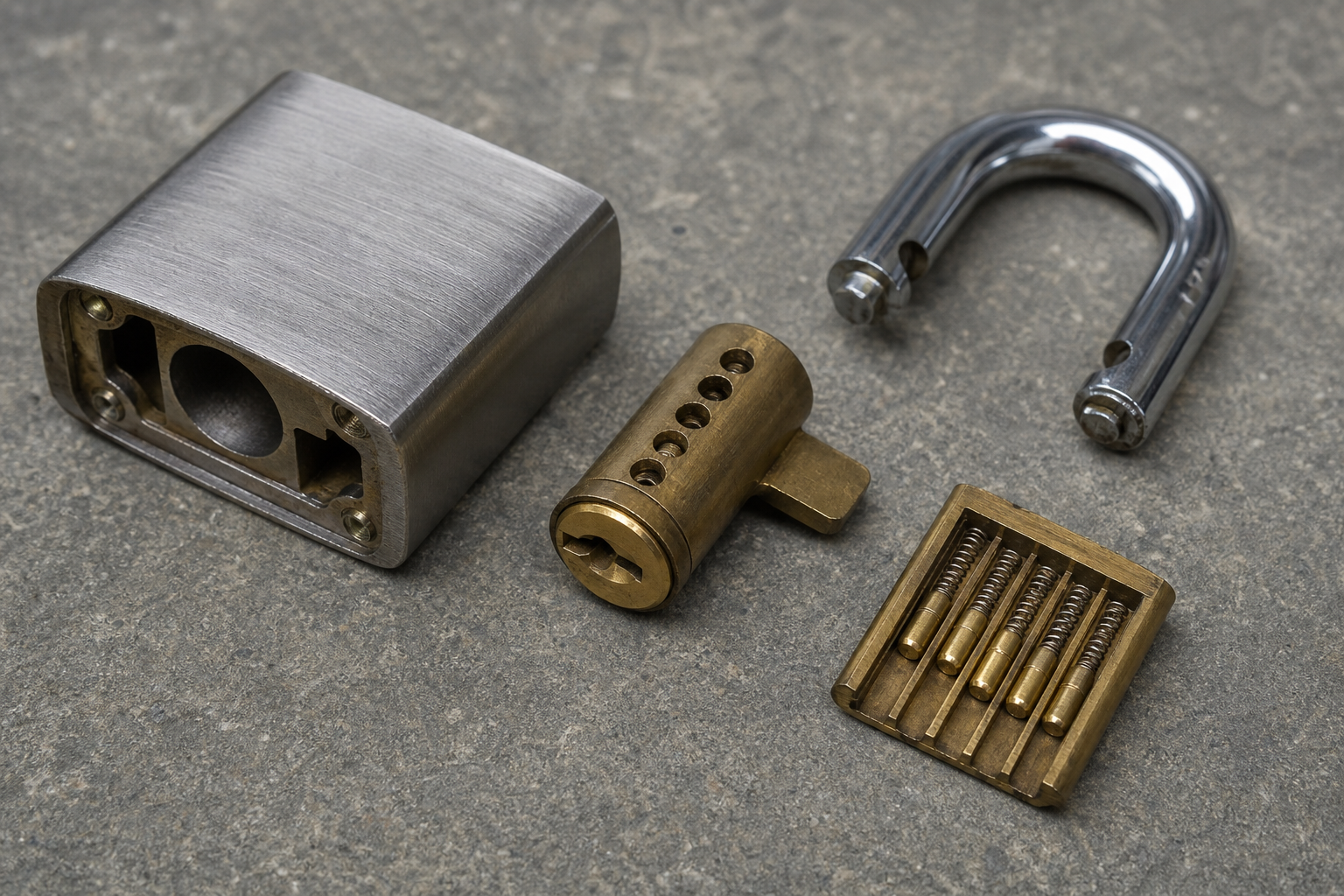
To pivot to a parallel in the security hardware industry, consider Yuefong’s use of technology like digital pulse welding and robotic milling. Their precise, efficient production processes prioritize the integrity of fewer, more strategic components over volume, similar to Celtic’s focused defense. Though we won’t delve into each Yuefong spec, their capability to offer quick CAD/3D drawings within 3-5 days illustrates a strategic choice to streamline essential operations while controlling potential bottlenecks.
While Celtic’s approach has its critics, their strategy speaks to an underlying truth: thought-out positioning often trumps raw aggression or volume. In both football and business, a calculated approach often yields the most sustainable outcomes. It’s this level of nuanced thinking that procurement managers need to apply to their partnerships and metric evaluations.
As St Mirren learned, the number of shots does not tell the whole story. For business leaders and sports analysts alike, the challenge remains to look past headline figures and evaluate the underlying strategies that drive success. Celtic’s tactics raise a question for procurement professionals: are we evaluating our partners with the same level of insight, or are we misled by surface numbers?
Frequently Asked Questions
How does Celtic’s defensive strategy impact their game outcomes?
Celtic’s strategy minimizes scoring threats despite high shot counts, preserving competitive advantage.
What risks do Celtic face with their defensive approach?
Stretching the seven-man block or positional lapses could expose defense vulnerable to scoring.
Are there parallels between Celtic’s tactics and procurement strategies?
Yes, both prioritize reducing risk over quantity, ensuring strategic focus on quality and positioning.
Need an OEM Lock Partner?
Zhongshan Yue-fong Mai’s Manufacture Co., Ltd offers +/-0.02mm precision and 10M annual capacity. Contact us.