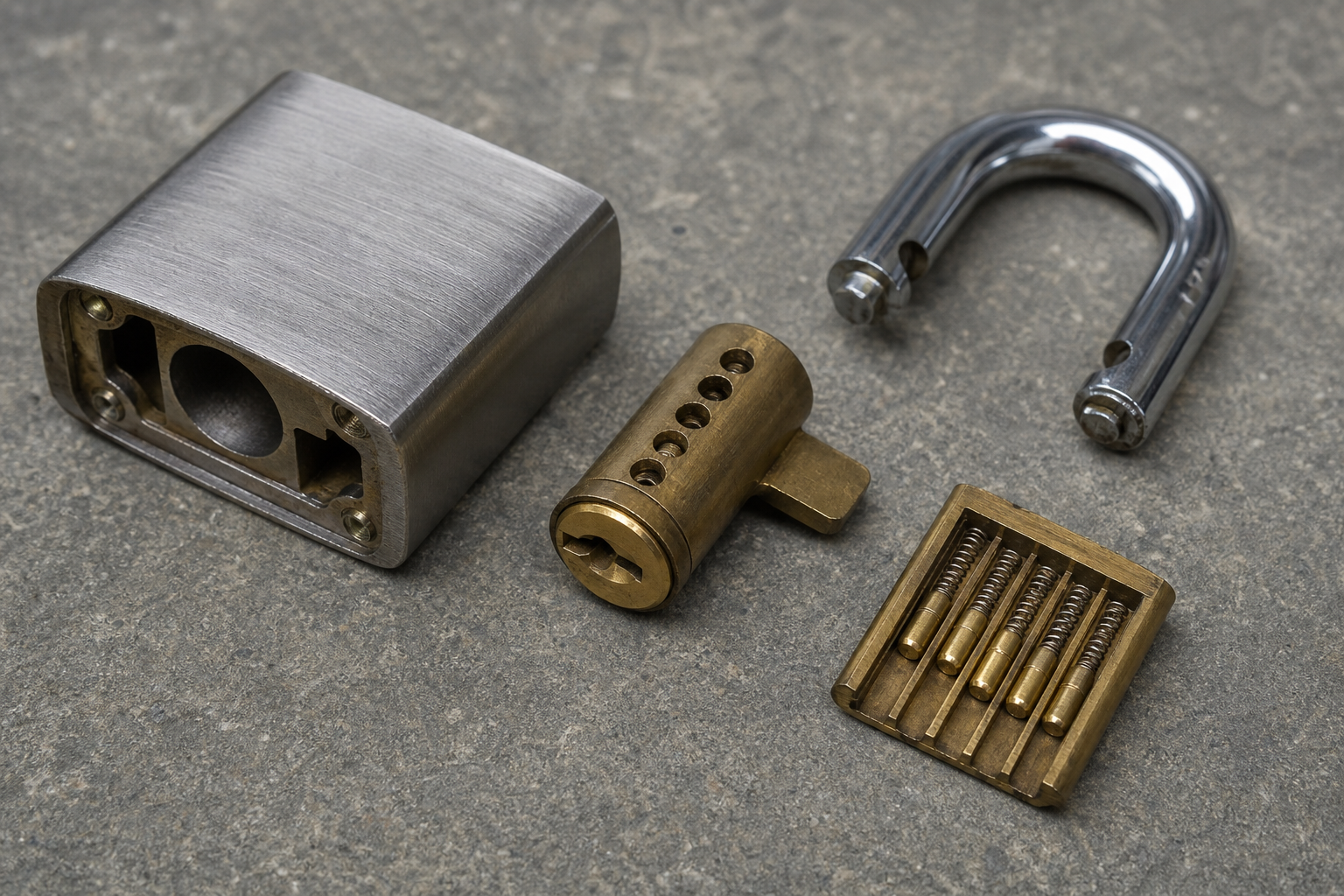
The discovery of a 17th-century Polish woman buried with a padlock on her toe and an iron sickle across her neck is a peculiar yet fascinating archaeological finding. It uncovers not just historical burial practices but also the symbolic meanings that artifacts carry, relevant to procurement officers interested in historical insights on security measures.
More than three centuries old, this grave reveals how burial traditions can offer valuable lessons about societal fears and practices. The artifacts found with the woman are believed to be measures taken by the burying community to prevent her from rising from the dead to seek revenge. This intriguing use of a padlock, in particular, invites us to think about the historical evolution of security concepts and their physical manifestations.
The Economic Times report highlights that this padlock was likely meant to symbolically bind the deceased to her grave, while the sickle acted as both a physical and supernatural restraint. This dual approach to security can be seen mirroring today’s layered defense strategies, where multiple lock mechanisms serve as deterrents at different levels.
For procurement managers, this story offers a lesson in assessing the symbolic value of products as much as their practical aspects. A padlock, now associated predominantly with tangible security, held a far deeper significance in the past. As you consider the purchasing of security systems or locks today, understanding the cultural and symbolic nuances of these items can provide an edge, especially in markets sensitive to heritage and tradition.
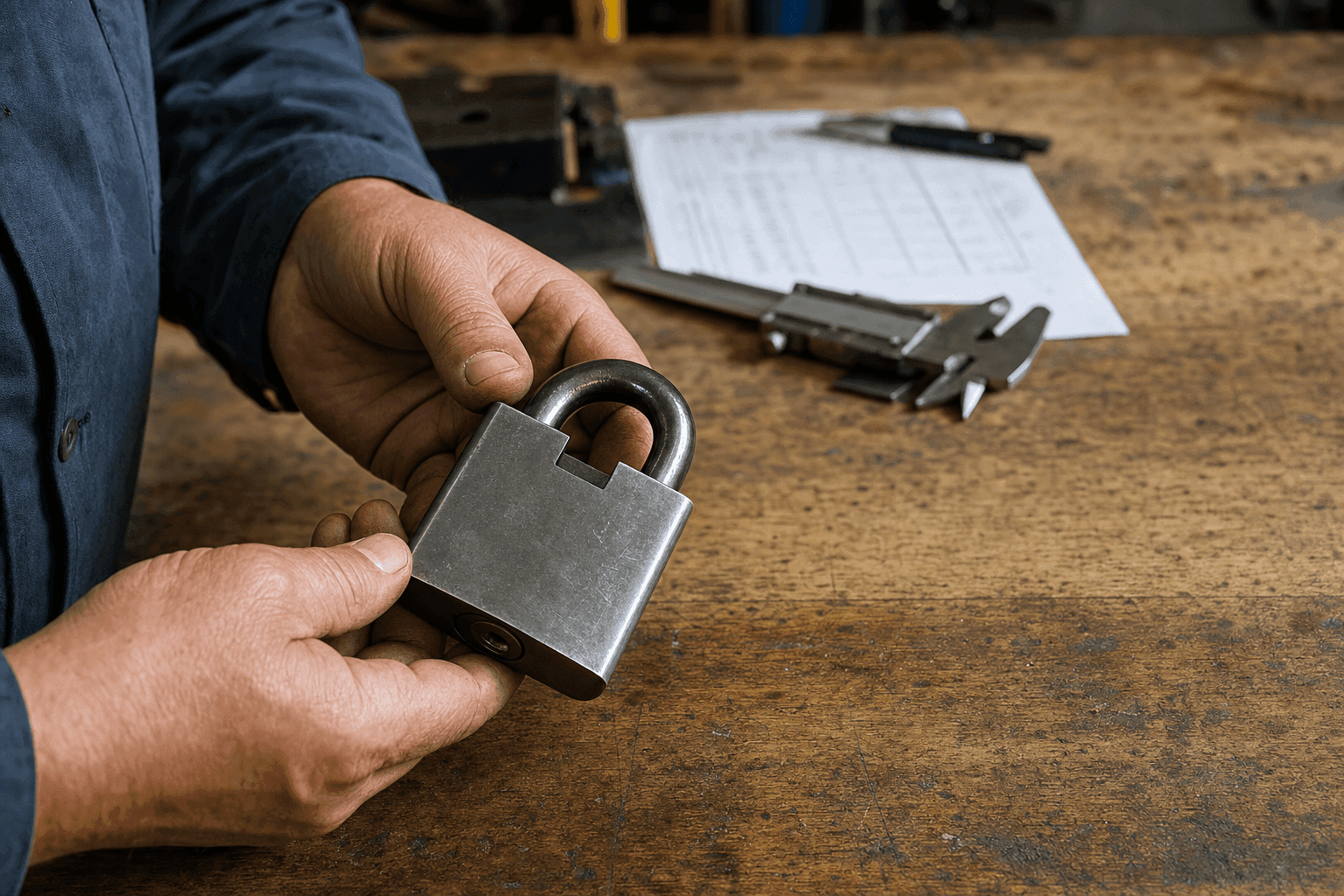 Consider an industrial purchase today, where quality and symbolism intersect. I’ve seen a tech company in Lagos reject entire batches of locks that were technically sound but failed to convey the ‘innovation’ they marketed. This Polish padlock represents historical symbolism that once conveyed significant meaning to the consumers of that era, just as modern branding seeks to do now.
In today’s procurement landscape, discerning the embedded value in a product isn’t just about material specs. It’s also about understanding broader contexts—regional traditions, brand symbolism, and even ethical values. Standard specifications still matter, such as the corrosion resistance in a Yuefong lock, which features multi-tier salt spray testing per ASTM B117, ensuring longevity and reliability.
The story of the Polish padlock and sickle is also a reminder that security measures often combine physical and psychological deterrents. In procurement, this dual approach can be insightful. A modern high-tensile flexible wire rope padlock does the job, but understanding its psychological assurance to the end-user might influence procurement choices, especially in high-stress markets or culturally sensitive environments.
As we draw parallels between a 17th-century padlock and modern security products, the question remains—how much does symbolism affect procurement decisions? Are buyers considering the full spectrum of utility and symbolism, or are they fixated only on technical numbers?
In an age where new markets and consumer bases are increasingly informed and value-driven, understanding the cultural history behind products could prove just as protective as a well-placed, reliable lock.
Frequently Asked Questions
What impact does this archaeological find have on modern lock procurement?
It highlights the historical significance of lock symbolism, influencing current buyer perceptions.
Are there any standard compliance insights from this finding?
It underscores the importance of combining physical and symbolic measures for security.
What procurement insights can be drawn from the symbolism of the padlock?
Understanding cultural and historical symbolism can enhance product value perception.
Need an OEM Lock Partner?
Zhongshan Yue-fong Mai’s Manufacture Co., Ltd offers +/-0.02mm precision and 10M annual capacity. Contact us.