Why Most Buyers Overlook the Critical Specs of Ball Valve Lockouts
Imagine this: you’re a procurement manager tasked with sourcing 1,500 ball valve lockout tagout devices for an oil refinery. You find what seems like a great deal — only to discover the devices fail after mere weeks due to degraded material quality. It’s a costly mistake, one that’s more common than you’d think.
The truth? Most buyers miss the mark on specifications, especially when it comes to material durability and compliance with OSHA’s stringent standards. Not knowing the key standards could leave your investments vulnerable and your safety measures compromised.
Material Matters: Steel vs. Thermoplastics
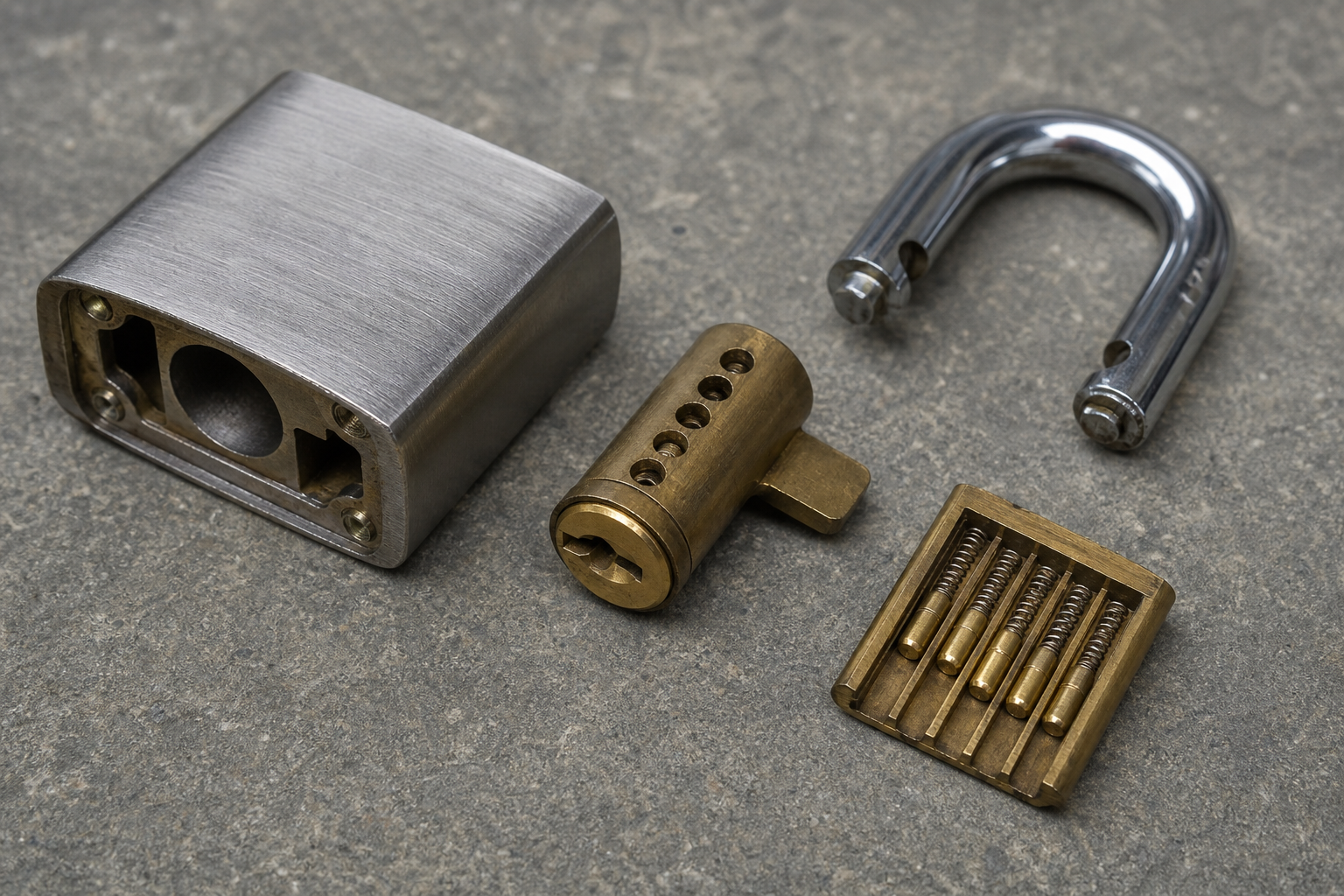
The first and often overlooked factor is material choice. Devices made from thermoplastics offer significant advantages: they’re resistant to corrosion and harsh chemicals. However, they may not withstand the extreme temperatures that some industrial environments pose. On the other hand, steel devices offer strength and durability but can corrode if not properly treated.
The choice here isn’t about one material being “better,” but about understanding your specific use case. For instance, if you’re locking out equipment in a corrosive environment, thermoplastic options outshine their metal counterparts.
Comparison Table: Material Choices
| Feature | Thermoplastics | Steel |
|---|---|---|
| Corrosion Resistance | High | Moderate (with coating) |
| Temperature Resistance | Moderate | High |
| Chemical Resistance | High | Moderate |
| Initial Cost | Lower | Higher |
Know Your Standards: OSHA and Beyond
OSHA 29 CFR 1910.147 mandates the lockout/tagout processes. Any device you procure must align with these guidelines. Additionally, other standards like ISO 9227 (for corrosion testing) and ASTM B117 (salt spray testing) are crucial.
Some suppliers might wave the flag of compliance without substantiated documentation. Don’t fall into the trap. Request testing reports and verify them yourself, ensuring they match the standards mentioned in your purchase order.
Common Procurement Pitfalls and How to Avoid Them
- Ignoring Environmental Suitability: Misplacing a thermoplastic device in a high-temperature setting or a steel one in a corrosive environment is a mistake that leads to premature failures.
- Skipping Material Verification: Always request a sample and inspect it for quality. An on-site review or a video audit of the manufacturer’s facilities can prevent these oversights.
- Not Factoring in Lead Times: Lead times can make or break your project timelines. A company like Yuefong offers lead time quotes based on specific project requirements, drastically cutting down on unnecessary wait times.
- Overlooking After-Sales Support: Ensure your supplier provides a warranty. Again, using Yuefong as an example, they offer a one-year warranty with spare parts, which could be a lifesaver in case of any initial failures.
The Subtle Art of Supplier Verification
Ensure your supplier genuinely stands behind their claims. A factory audit — either physical or via video — can differentiate between genuine manufacturers and mere trading companies. Look for in-house capabilities like Yuefong’s mold shop, which validates their production capabilities.
What Yuefong Offers
While not the only name in the game, Yuefong’s established full in-house lab, which tests products against ASTM B117 / ISO 9227 for salt spray resistance, is a gold standard. They manage to keep their lead times remarkably short, providing quotes and drawings in 3-5 days.
Takeaway: Don’t Just Buy, Invest
Buying ball valve lockout tagout devices isn’t just about ticking a procurement checkbox. It’s about investing in safety and reliability. Ask hard questions about materials, challenge vendors with real-world scenarios, and ensure compliance with necessary standards. Are you ensuring every dollar spent protects your workforce effectively?
Frequently Asked Questions
What are the key specification thresholds for ball valve lockout tagout devices?
Focus on material compatibility with your environment and ensure compliance with OSHA 29 CFR 1910.147, along with corrosion and temperature resistance.
How can I verify vendor compliance with ISO 9227 or ASTM B117?
Request and review testing reports that align with these standards. Consider audits or ask for sample testing yourself.
What are typical lead times for sourcing these devices, and why do they matter?
Lead times vary; some suppliers offer quotes within days. This is crucial for aligning with project timelines and avoiding delays.
Related Guides in This Series
Secure Your Supply Chain with a True Source Factory
Zhongshan Yue-fong Mai’s Manufacture Co., Ltd offers +/-0.02mm precision and 10M annual capacity. Quote + drawings within 3-5 days. Contact our engineering team today.