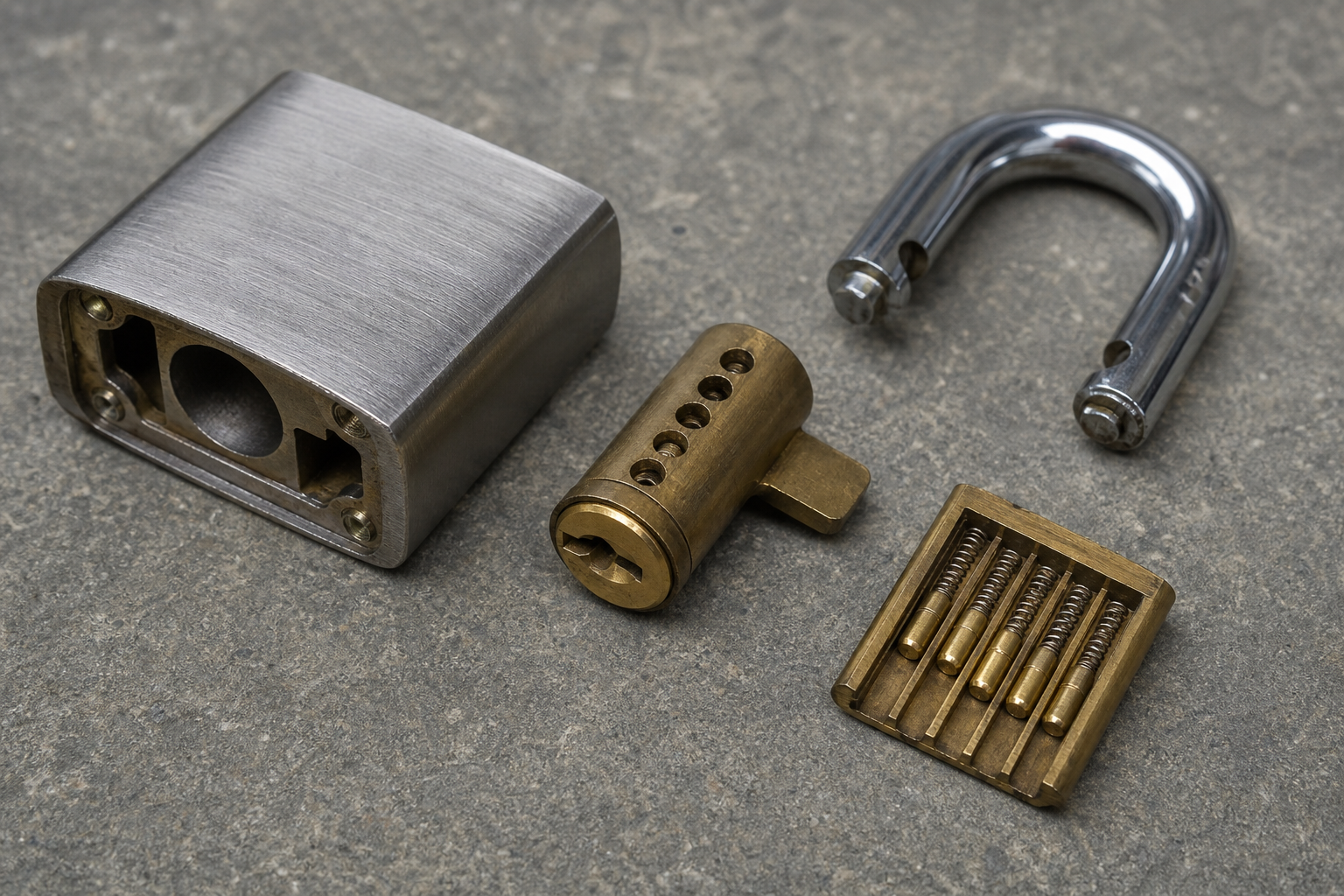

The Tale of Two Sources: Why You Should Care
Imagine this: You receive a container of padlocks from a new supplier. The surface finish is off, and the key barely turns. You’re frustrated and losing money. This might have been avoided had you known whether you were dealing with a trading company or a direct factory. Understanding these differences can save you countless headaches and dollars.
1. Precision in Production: It’s in the Details
When comparing a trading company vs factory, precision control is a key indicator. Factories like Yuefong boast ±0.02mm precision, a level achieved through in-house mold shops. Trading companies generally offer ±0.1mm to ±0.2mm, as they rely on multiple factories with variable quality control. If precision is non-negotiable, always verify their in-house production capabilities.
2. Lead Times: The Devil’s in the Days
Time is money. Trading companies often juggle orders from different factories, resulting in 45-60 day lead times. In contrast, a source factory like Yuefong delivers prototypes in 3-5 days and completes mass production in 25-35 days—speed that reflects in their control over the production process. Always ask for a detailed breakdown of lead times.
3. Quality Control: Don’t Just Take Their Word for It
Quality control is where many buyers stumble. Trading companies may perform spot checks at best. A factory, however, will have stringent measures, such as 100% inspection and specific tests like the 120-hour salt spray test. Demand these certifications and test results up front. It’s your shield against next-day regrets.
4. Production Capabilities: See for Yourself
The scale and capability of a supplier are telling signs. True factories like Yuefong have massive facilities with advanced machinery and dedicated QC teams. Trading companies might boast similar numbers but lack physical evidence. Insist on a physical or video audit—especially of their mold workshops—to verify claims.
5. MOQs and Flexibility: Reality Check
Factories generally have more flexible MOQs due to their production control, often accommodating custom orders more willingly. Trading companies, with less say over manufacturing, impose higher MOQs to make their arrangements viable. Always negotiate based on your needs and inquire about their production flexibility.
6. Certifications and Standards: Trust, But Verify
A reliable source factory will have industry certifications, such as ISO9001 and CE, confirming their adherence to standards. Trading companies might claim these through their partners, but discrepancies can arise. Always ask to see these certifications directly linked to the production site you will be dealing with.
7. Cost Structure: Decoding the Pricing Puzzle
Understandably, trading companies build in margins for their service, resulting in higher prices. A factory generally offers more competitive pricing as there’s no middleman. However, don’t just rush for the cheapest quote—evaluate the offered product against the market standards and specifications critical to your needs.
Sharp Takeaway
The decision between a trading company vs factory isn’t just academic. It’s about tangible results that affect your bottom line. Next time you’re sourcing padlocks or security hardware, remember these key differentiators. They might just be the difference between a successful delivery and a costly lesson.
Frequently Asked Questions
How can precision control affect the quality of security hardware?
Precision control impacts the fit and function of components, critical for preventing security hardware failures.
What should I look for in quality control processes?
Seek factories with 100% inspection policies and tests like the 120-hour salt spray to ensure product durability.
Are lead times always longer with trading companies?
Typically, yes. Trading companies often have longer lead times due to reliance on multiple factories.
Secure Your Supply Chain with a True Source Factory
Yuefonglock’s 70,000㎡ facility offers 3-5 day rapid OEM quoting and 120-hour salt spray tested durability. Contact our engineering team today.