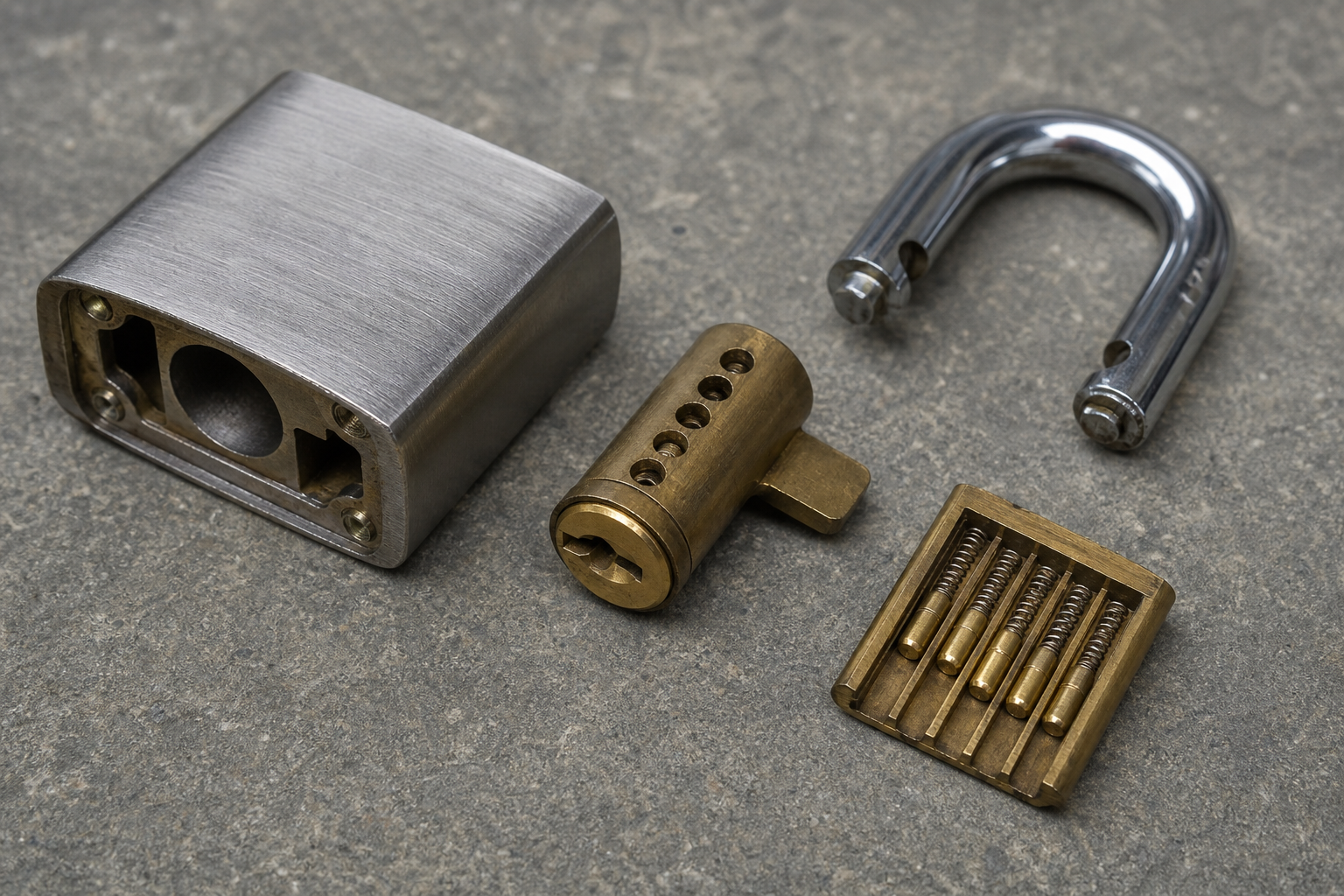
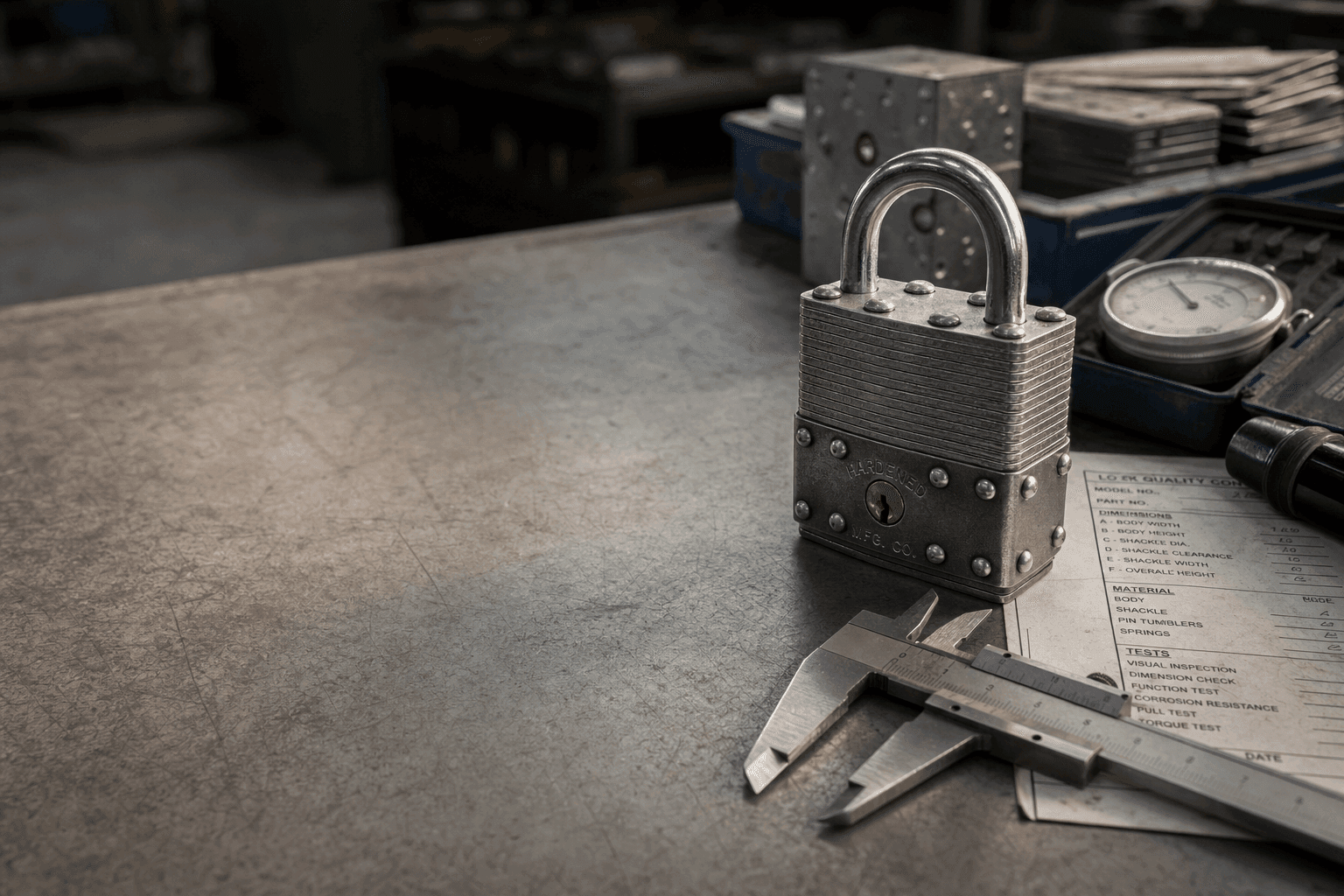
Picture this: Milwaukee, 1921. A city known for its brewing heritage and manufacturing mettle births a small innovation that would still be talked about a century later. Enter Master Lock’s laminated padlock. What began as a simple, yet robust design has now turned 100, as reported by OnMilwaukee. The product that once served as a modest security solution is now an emblem of durability and design, paving the way for modern security hardware.
The article celebrates this milestone, focusing on the longevity of the Master Lock brand and the iconic laminated design that started it all. The padlock, with its distinct layers of steel, was heralded for its ability to withstand physical tampering better than its predecessors. This simple yet effective design became a staple in security, proving its mettle not just in the U.S., but globally.
For procurement managers, the real story here isn’t just the anniversary—it’s the resilience of a product that’s remained relevant in a world where technological advancements seem to outpace everything else. The laminated padlock’s continued success signals an important lesson: sometimes, elementary engineering beats complexity hands down. It’s a reminder that robust simplicity can sustain a product in the long haul.
But let’s dive deeper. Procurement professionals should not only celebrate this centenary but also extract critical insights from Master Lock’s journey. Consider the current landscape: the global smart lock market is projected to reach $4.1 billion by 2027. Yet here we have a century-old product still thriving. What does that say about consumer preferences and market trends?
 On one hand, the Asia-Pacific region dominates padlock manufacturing, responsible for over 65% of OEM output. This statistic highlights the ongoing cost advantages these markets hold, which can tempt procurement managers to secure lower prices. However, the risk here is the potential compromise on quality, something Master Lock has never done. The firm’s commitment to producing high-quality, durable locks ensured its products were not just commodities but trusted tools.
From a procurement standpoint, the question becomes: How do you balance cost with quality in a sector driven by price-sensitive customers? I’ve seen buyers in Lagos turn away shipments that didn’t meet their rigorous standards, eating into margins due to re-shipment and penalty costs. It’s a delicate dance—one misstep in quality assurance, and your logistics overheads soar.
Consider the narrative around standards and certifications. Master Lock, by enduring a century, indirectly champions the cause of adhering to high manufacturing standards. For instance, YueFong’s 120-hour salt spray anti-corrosion test is a nod to the rigorous testing that serious players in the market engage in. Such standards are not merely bureaucratic hurdles; they are a hedge against product failure, ensuring longevity and customer satisfaction.
Furthermore, Master Lock’s story emphasizes the significance of brand heritage in procurement decisions. While a brand’s age shouldn’t be the sole determining factor in vendor selection, it often reflects decades of refined processes and customer feedback integration—assets that can’t be easily bought or replicated.
The firm’s centenary is more than a historical footnote; it’s a beacon for the lock industry and its procurement professionals. It underscores the imperative to evaluate long-term reliability over short-term gains. As Master Lock looks towards another hundred years, one must ask: How many firms can boast a centenary of trust, and how many procurement strategies prioritize such enduring value?
So, as we toast to Master Lock’s 100 years, the key takeaway for procurement managers is clear: value simplicity, prioritize quality, and never underestimate the power of a well-made lock, no matter how old or seemingly simple it may be. The future of procurement might well depend on such timeless principles.
Frequently Asked Questions
How has Master Lock maintained product relevance over 100 years?
They focused on durable, simple designs like the laminated padlock, ensuring longevity and reliability.
What is the impact of regional manufacturing dominance on procurement?
Asia-Pacific’s dominance offers lower costs but can pose quality control challenges.
How do certifications like the salt spray test add value?
They ensure long-term product durability, crucial for maintaining customer trust.
Need an OEM Lock Partner?
Yuefonglock offers ±0.02mm precision and 10M annual capacity. Contact us.