
Hardened Steel vs Boron Carbide Shackles: Strength Analyzed
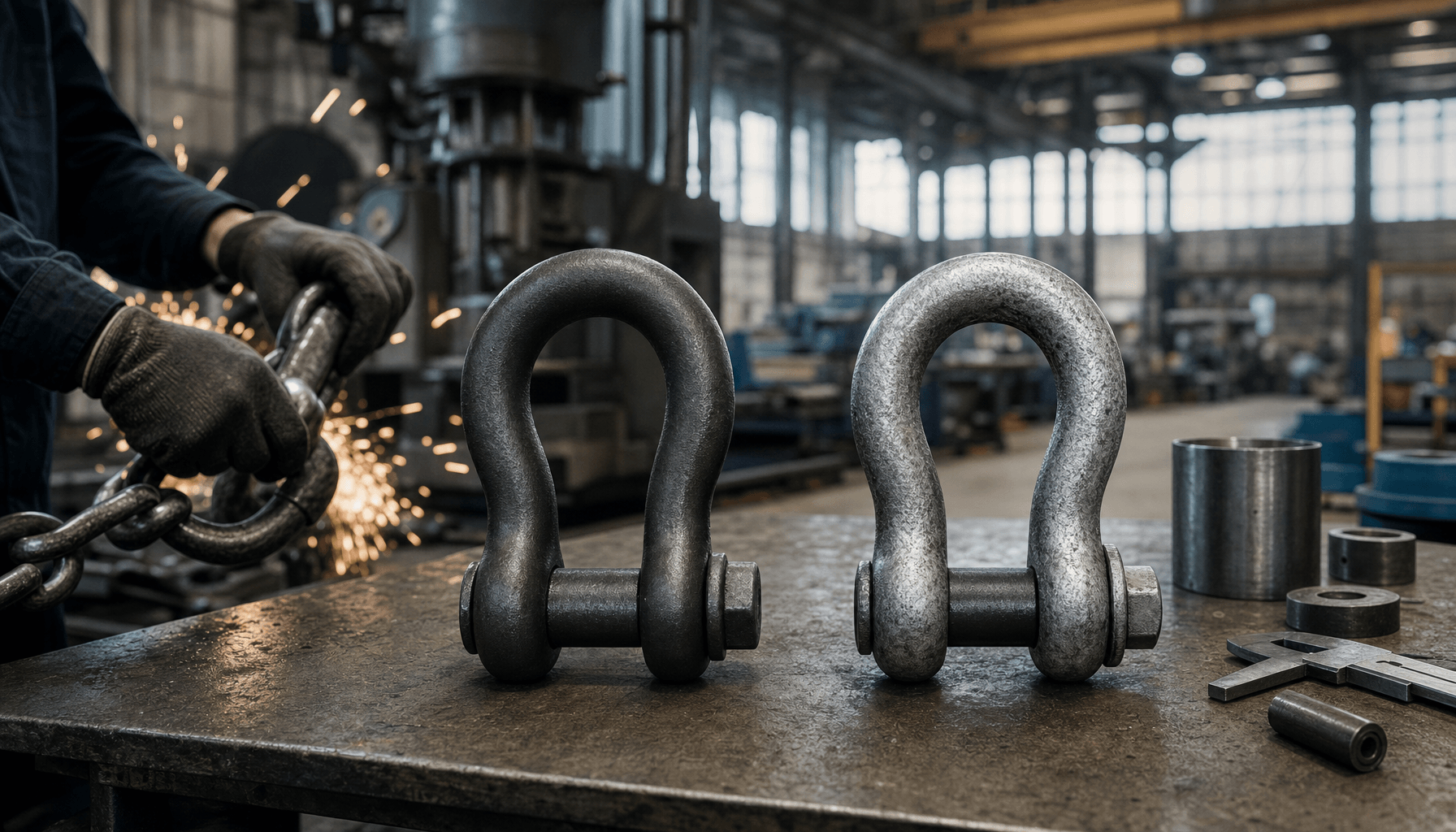
Hardened steel padlocks are security devices that offer enhanced protection through strategic heat treatment and alloy selection. The primary misstep procurement managers make is focusing solely on the thickness of the shackle when considering resistance to bolt cutters.
This article examines why heat treatment and alloy composition are critical factors in determining a padlock’s strength, uncovering options that meet stringent procurement expectations.
The Material Dilemma: Hardened Steel vs Boron Carbide
For procurement managers, the choice between hardened steel and boron carbide can make a substantial difference in security efficacy. Hardened steel is traditionally favored for its balance of cost and performance. However, boron carbide, while more costly, offers a superior hardness profile, resisting cuts even when thinner than equivalent steel shackles.
Real-world tests show that boron carbide can achieve Rockwell hardness ratings of HRC 58-62 through proper heat treatment, offering robust cut resistance. Data from ASTM F883 outlines the performance standards for material hardness and tensile strength, ensuring that hardware exceeds basic security specs. Selecting the right material can lead to higher initial costs but may reduce long-term replacement expenses due to improved durability under stress.
Impact of Heat Treatment on Shackle Performance
Heat treatment drastically influences a shackle’s resistance to physical attacks. By undergoing a controlled process of heating and cooling, the crystalline structure of an alloy changes, resulting in increased toughness and hardness. According to the ISO 9227 salt spray test, lock components subjected to rigorous heat treatment exhibit longevity in harsh environments.
Investing in a comprehensive heat treatment cycle ensures that even hardened steel can achieve optimal resistance against bolt cutters. ASTM A380 standard test methods evaluate chemical resistance and surface quality of treated metals, crucial for locks deployed in corrosive settings.
Cost Implications and Efficiency
While boron carbide possesses advantages in terms of hardness and cut resistance, the material’s cost premium can be prohibitive. Price indices from the London Metal Exchange (LME) indicate that boron metals command a higher market value, attributing to the alloy’s scarcity and processing complexity.
In contrast, hardened steel remains an economical choice for procurement managers working with tight budgets. When combined with appropriate treatments, hardened steel provides a competitive balance between cost and performance, particularly in high-volume applications where material repeatability and economic efficiency are prioritized.
Explore our comprehensive padlock and smart security solutions for OEM/ODM requirements.
Case Studies in Material Application
Consider the 2025 incident at the Port of Long Beach where AQL sampling revealed defects in untreated steel padlocks, leading to their recall. Instances like these highlight the importance of selecting materials that meet international standards such as EN 12320, which mandates rigorous testing for security hardware endurance.
Manufacturers like Yuefong Lock in Zhongshan illustrate the industry’s shift towards maintaining in-house capabilities for heat treatment, enabling rapid prototyping and custom shackle design to meet bespoke security needs. By investing in advanced metallurgical processes, these factories ensure their products conform to, or even exceed, the expectations laid out by industry entities such as ANSI and BHMA.
Frequently Asked Questions
What is the typical hardness range for boron carbide shackles?
Boron carbide shackles generally achieve Rockwell hardness ratings between HRC 58-62 through heat treatment.
Why is heat treatment important for padlock shackles?
Heat treatment alters the metal’s structure, enhancing toughness and resistance to bolt cutters.
Are hardened steel padlocks more cost-effective than boron carbide?
Yes, while boron carbide offers superior hardness, hardened steel remains economical, especially with heat treatment.
Industry References
Version 1.0 — Published October 24, 2026 · Editorial review window: 90 days