
Disc Detainer Padlocks: Resistance vs Pin Tumbler
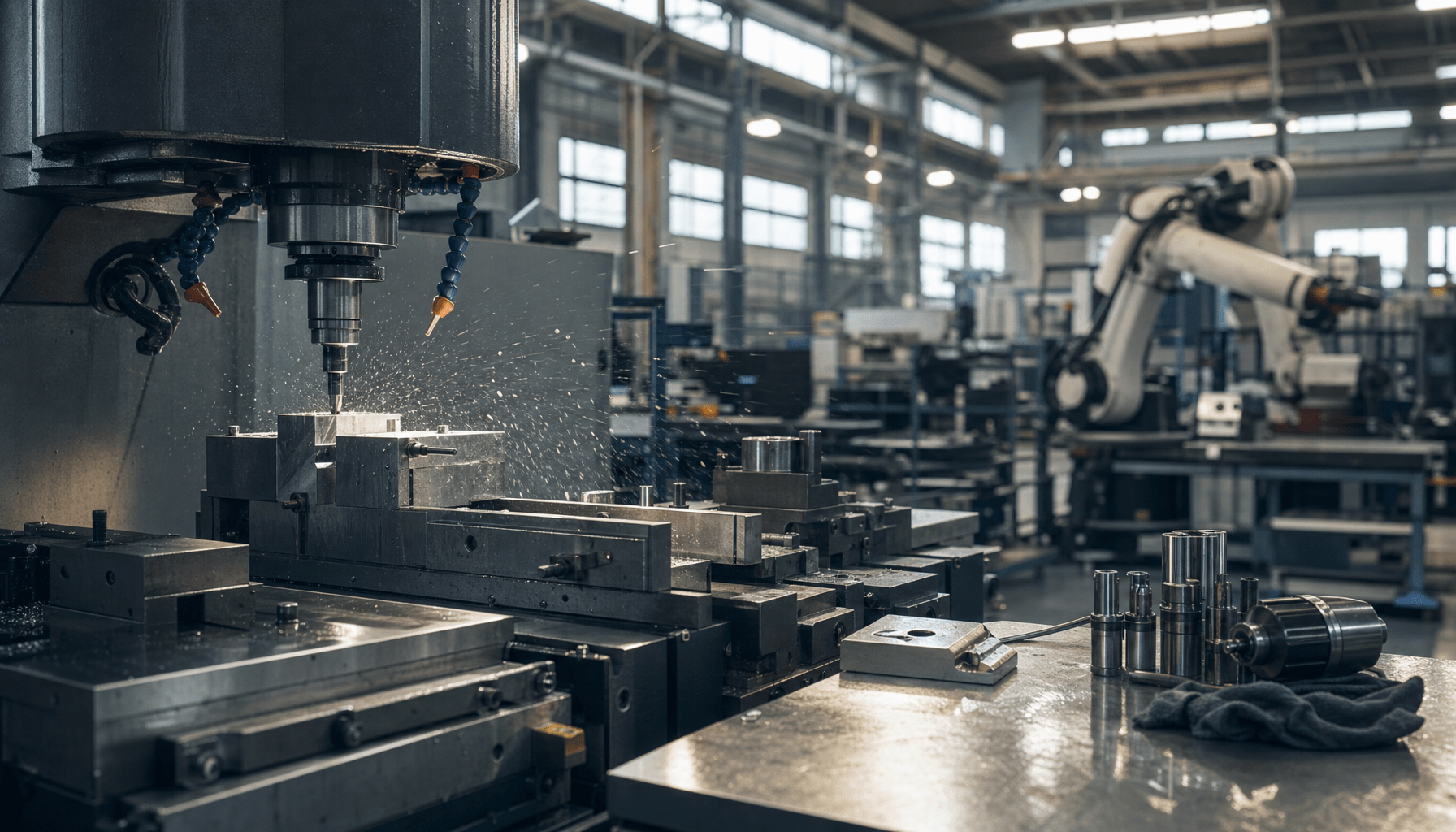
Disc detainer padlocks are a cylinder design that uses rotating discs aligned by a key, rather than spring-loaded pins, to control the locking mechanism. In the realm of industrial security hardware, choosing the right padlock type isn’t just about which is harder to pick. It’s about aligning specific security needs with cost, functionality, and deployment parameters.
In this article, we will explore why locksport enthusiasts often give up on disc detainer padlocks but why procurement professionals continue to specify pin tumbler locks. We’ll reference sources like the TOOOL bypass database and ANSI/BHMA grade pick tests to guide our examination.
Why Procurement Favors Pin Tumblers
Pin tumbler locks are favored in commercial applications for their balance of security, cost, and ease of replacement. According to ANSI/BHMA standards, pin tumbler locks provide robust performance metrics, often rated for Grade 1 pick resistance in high-security scenarios. Their widespread adoption is further supported by their ability to be quickly rekeyed, a crucial feature for rapid access control management.
Disc Detainer Complexity
Disc detainer padlocks, though challenging for standard lockpicking techniques, are often bypassed by enthusiasts due to specialized tools being required. The TOOOL bypass database indicates these locks have a higher threshold for pick resistance, with numerous cases showing failed attempts even after extended effort. Despite this, their intricate nature often necessitates higher production costs, limiting their widespread commercial use.
Spool Pins vs. Serrated Pins
The choice between spool and serrated pins in pin tumbler locks further adds to pick resistance. Spool pins create false sets that deter picking attempts, while serrated pins increase the precision needed for successful entry. According to ANSI, incorporating these pin designs can significantly increase the time and skill required to bypass a pin tumbler lock.
Industry Perspectives on Lock Picking
Various industry reports illustrate the competency needed to bypass high-security locks, with disc detainers often requiring advanced manipulation tools. McKinsey studies suggest that while technological advances in lock design can stave off amateur pickers, they are no substitute for a comprehensive security system. Procurement decisions must weigh lock complexity against potential vulnerabilities in broader security strategies.
Comparison: Laminated vs. Solid Body Padlocks
| Feature | Laminated | Solid Body |
|---|---|---|
| Construction | Multi-layered steel | Single mass of metal |
| Pick Resistance | Moderate | High |
| Corrosion Resistance | Variable | Consistent, if alloy |
Frequently Asked Questions
Why are disc detainer padlocks less common in commercial settings?
Their complexity drives higher costs compared to pin tumbler locks, limiting typical commercial usage.
What standards are used to rate lock security?
ANSI/BHMA provides comprehensive grades for lock security, factoring pick resistance and durability.
How does pin design affect lock security?
Spool and serrated pins increase security by making picking efforts more complex.
Version 1.0 — Published October 17, 2026 · Editorial review window: 90 days