
The American Society of Safety Professionals (ASSP) recently convened to tackle a persistent and critical issue: hazardous energy risks in industrial settings. This meeting aimed to generate actionable solutions for managing these risks effectively, emphasizing the human and financial stakes involved. According to the article from Occupational Health & Safety, the ASSP’s focus was not just on understanding these dangers but on providing tangible tools and frameworks for safety professionals to implement across various industries.
Hazardous energy, a term that covers risks linked to machinery and electrical systems, can lead to severe injuries or fatalities if not properly controlled. The meeting highlighted key strategies, such as improved Lockout Tagout (LOTO) protocols, to prevent accidental energy discharge. The emphasis was on developing standards that are not just theoretical but practically applicable, ensuring they adapt to evolving industrial environments.
From my experience, this focus on pragmatic applications of LOTO is crucial. I’ve seen facilities where outdated lockout procedures became mere formalities, leading to complacency and accidents. The ASSP’s initiative moves away from such perfunctory practices, aiming to instill a culture where safety protocols are dynamic and responsive to on-the-ground realities.
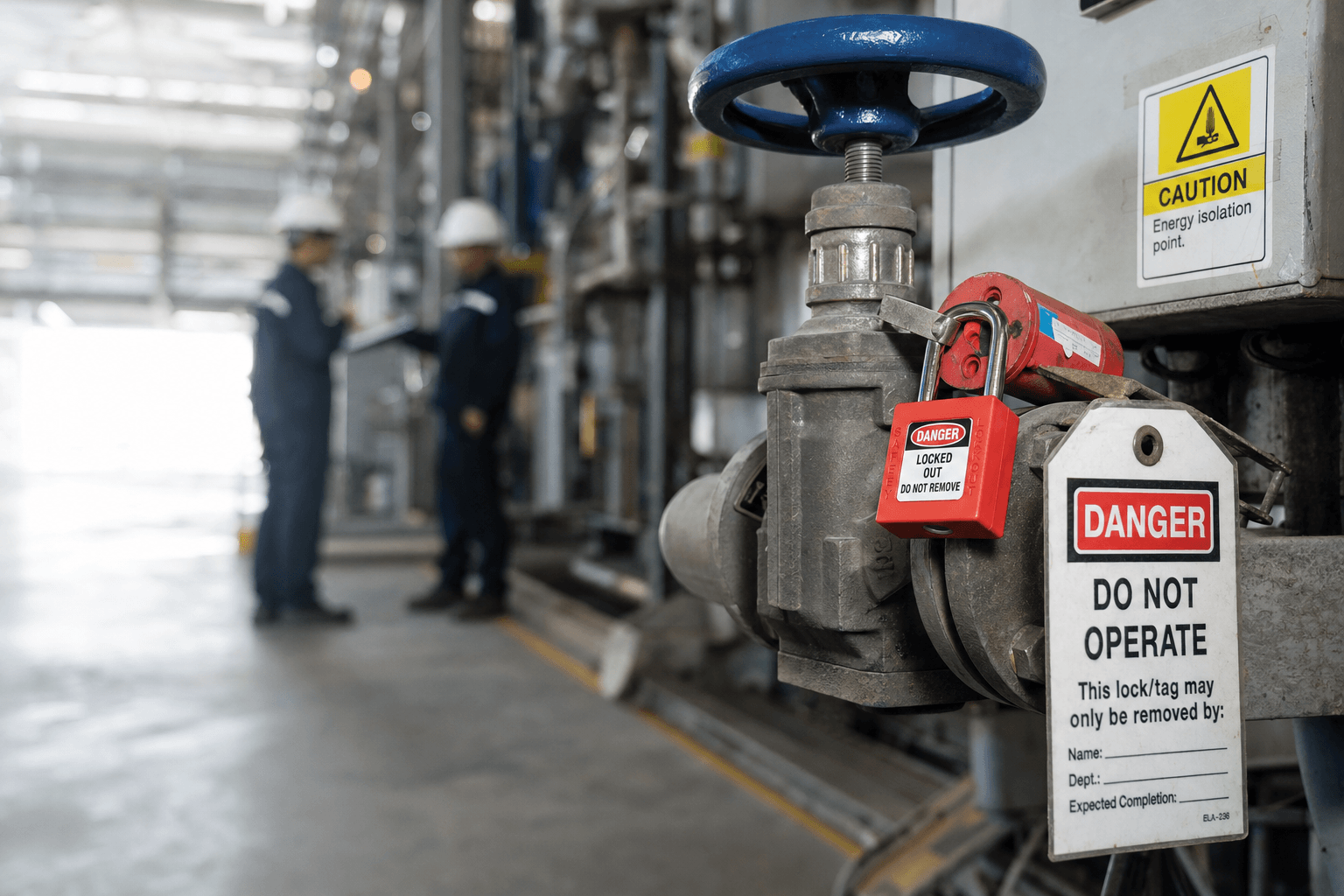 For procurement managers, the angle to notice here isn’t just about compliance but about active risk management. Investments in high-quality LOTO devices and training can forestall significant losses. The procurement choices directly influence the efficacy of these systems. A subpar padlock or improperly maintained circuit breaker can spell disaster, not just in human terms but financially.
The ASSP’s discussion surfaces another layer often overlooked: adaptability. Industrial environments are continuously evolving, with new machinery and configurations. The challenge lies in selecting equipment and safety solutions that can adapt to these changes without compromising safety. Effective LOTO devices should offer flexibility and reliability, features not always found in off-the-shelf solutions.
This brings us to a broader conversation about supplier selection, especially from markets like China, Germany, and Turkey, where I’ve observed firsthand how quality varies widely. Companies need partners who not only meet minimum safety standards but push beyond them. A notable example, Yuefong, illustrates this idea; their ability to rapidly produce custom safety solutions can be a game-changer for plants needing bespoke applications in volatile settings.
Despite this, the procurement process involves more than just ticking boxes. It requires nuanced decisions about durability, compatibility, and post-purchase support. Addressing these aspects coherently can save time and prevent lapses in safety. For instance, I’ve encountered procurement teams struggling with warranty claims because they ignored the longevity and support offered by their suppliers.
In summary, the ASSP’s initiative to mitigate hazardous energy risks emphasizes a proactive, technology-driven approach to industrial safety. It challenges procurement managers to not only adhere to but also anticipate safety needs. The end game is a safer workplace, where risk is managed with foresight, especially in the face of evolving industrial landscapes. The critical question remains: As industrial safety standards become more complex, are procurement practices evolving swiftly enough to meet these demands?
Frequently Asked Questions
What impact will the ASSP initiative have on existing LOTO standards?
The initiative is likely to push for more adaptable, dynamic LOTO protocols that can respond to evolving industrial environments.
How do procurement decisions impact hazardous energy risk management?
Choosing high-quality, adaptable safety devices directly influences the effectiveness of risk management systems.
Are there regional differences in hazardous energy risk products?
Yes, quality and adaptability of safety products can vary by region, affecting compliance and effectiveness.
Need an OEM Lock Partner?
Yuefong Lock is an OEM/ODM lock manufacturer. Contact us.