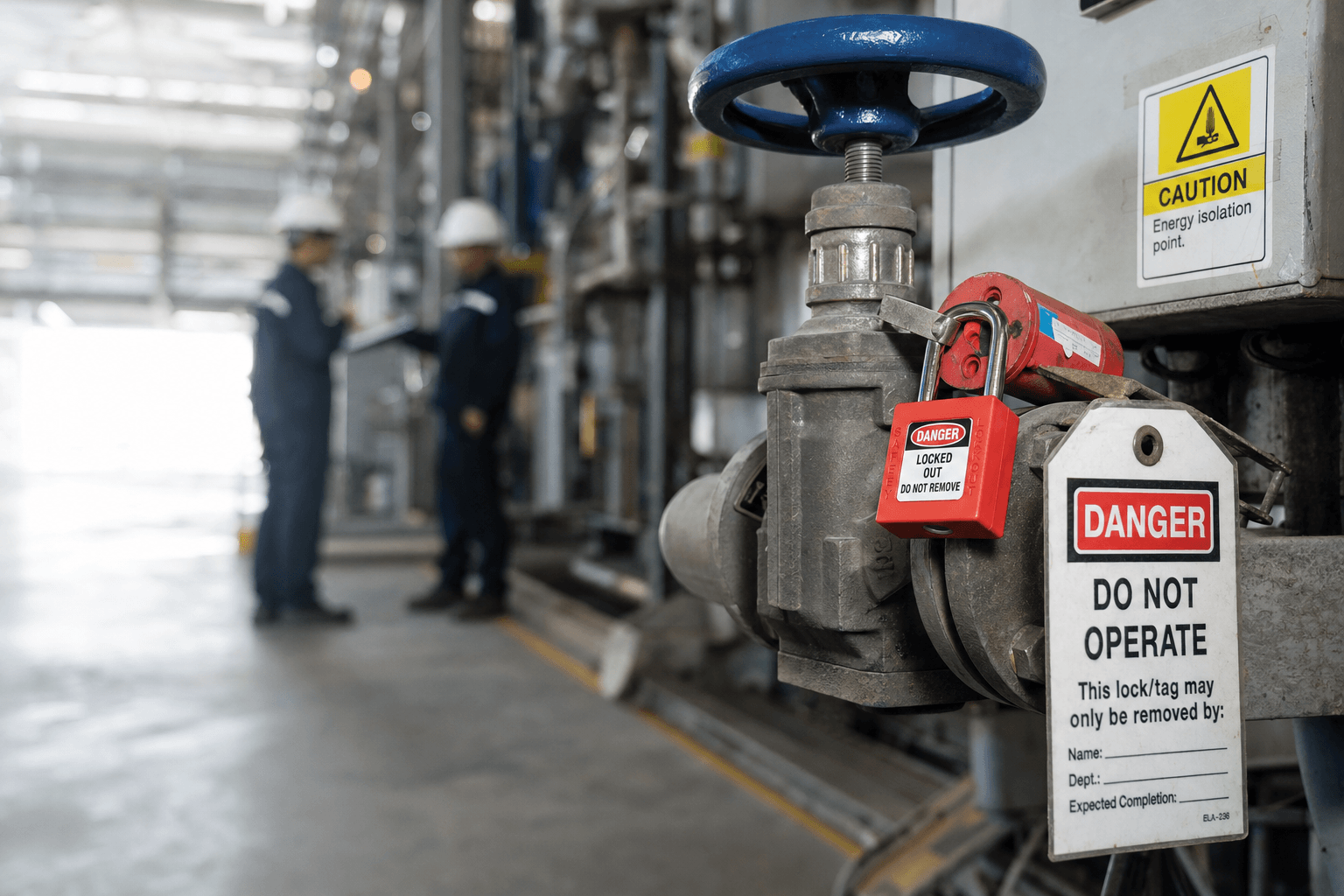
In 2022, archaeologists unearthed a fascinating and eerie burial site near the village of Pień in northern Poland. The grave, containing the skeleton of a young woman nicknamed Zosia, captured global attention with its macabre accessories: a rusted sickle blade draped over her throat and a triangular padlock affixed to her foot. These precautions, the community believed, would prevent her from rising from the dead — a fear rooted in old world communities’ beliefs in vampires.
This discovery, as reported by CP24, has led scientists to dig deeper into the site’s mysteries. The recent publication in the Journal of Archaeological Science: Reports by Dariusz Poliński and his team from Nicolaus Copernicus University sheds new light on this historical enigma. The article details how scientists are employing ancient DNA analysis and other innovative methods to unravel the life and death of Zosia. But beyond the sensational aspects of this ‘vampire’ burial, what deeper insights does this offer to interested procurement professionals?
For starters, the choice of burial site and methods says much about societal fears and exclusion practices of the time. The cemetery’s location away from the village, at a crossroads, implies it was meant for individuals viewed as societal outcasts. This is a critical observation for those studying historical approaches to social deviancy and burial customs. It highlights how fear influenced practices and how that fear was interwoven with cultural and religious beliefs, particularly as this site showed Protestant traits in a predominantly Catholic region.
Interestingly, John Blair, a professor emeritus of medieval history at Oxford, pointed out that such corpse-killing measures, while globally attested, are particularly distinctive of early modern Poland. The use of sickles and padlocks suggests a unique blend of superstition and protective tradition. For procurement managers in the security sector, this can serve as a historical case study into how fear has long driven people to develop methods to secure their environments. While today’s solutions may be more technical or sophisticated, the basic human impulse to protect against perceived dangers remains unchanged.
 The archaeologists’ meticulous work also offers a parallel to modern procurement challenges, especially those involving cultural contexts and legacy systems. Understanding these nuanced layers, much like the researchers uncovering Zosia’s burial practices, can lead to more informed decision-making. It’s an aspect procurement professionals in industries like security hardware must consider when evaluating new markets or historical customer bases.
Bringing it to the modern context, consider the development and implementation of security technologies today. The global smart home security market, for instance, is projected to grow from $6.2 billion in 2024 to $10.9 billion by 2029, according to Statista. This rapid development comes as consumers demand both privacy and robust security, which parallels the historic need for protection against perceived threats.
A modern lock manufacturer’s ability to innovate in response to these evolving needs is crucial. Take Yuefong, for example, which maintains a lead through a combination of precision engineering and a keen understanding of market demands. With advanced capabilities like digital pulse welding and multi-tier corrosion testing, Yuefong serves as a benchmark in balancing tradition with innovation.
Returning to the story of Zosia, the burial practices seen in Pień offer rich lessons in how we might view legacy fear-driven security solutions. Just as the sickle and padlock were believed to ward off undead threats, today’s security measures need to address pervasive fears — now translated into concerns about privacy breaches and digital security.
But what are we to make of this in a more practical sense? Should procurement managers in the security field be inspired or deterred by such historical practices? One might argue that the real challenge lies in deciphering the underlying fears and the best methods to address them, without falling into the trap of relying on outdated or culturally irrelevant solutions.
In the end, Zosia’s grave — with its superstitious artifacts — stands as a testament to humanity’s enduring quest for security. It encourages us to ponder not just the tools we use but the fears that drive their creation and implementation. How have we retained these primal fears, and how are they shaping the future of security solutions?
As the story of Zosia continues to unfold, we are reminded that the past, with its myths and mysteries, can still teach us valuable lessons about the present and future challenges in security procurement.
Frequently Asked Questions
What impact did the discovery of the ‘vampire’ burial have on our understanding of historical burial practices?
It highlights unique social fears and exclusion practices, offering insights into historical approaches to societal deviancy.
Are there standards or certifications that modern security solutions must comply with?
Yes, security products often need certifications like CE, UL, FCC, depending on the market. This ensures compliance with safety and performance standards.
How might procurement strategies differ when considering historical versus modern security solutions?
Historical solutions teach us about cultural contexts and fear motivations, which modern strategies must account for alongside technological advancements.
Need an OEM Lock Partner?
Zhongshan Yue-fong Mai’s Manufacture Co., Ltd offers +/-0.02mm precision and 10M annual capacity. Contact us.