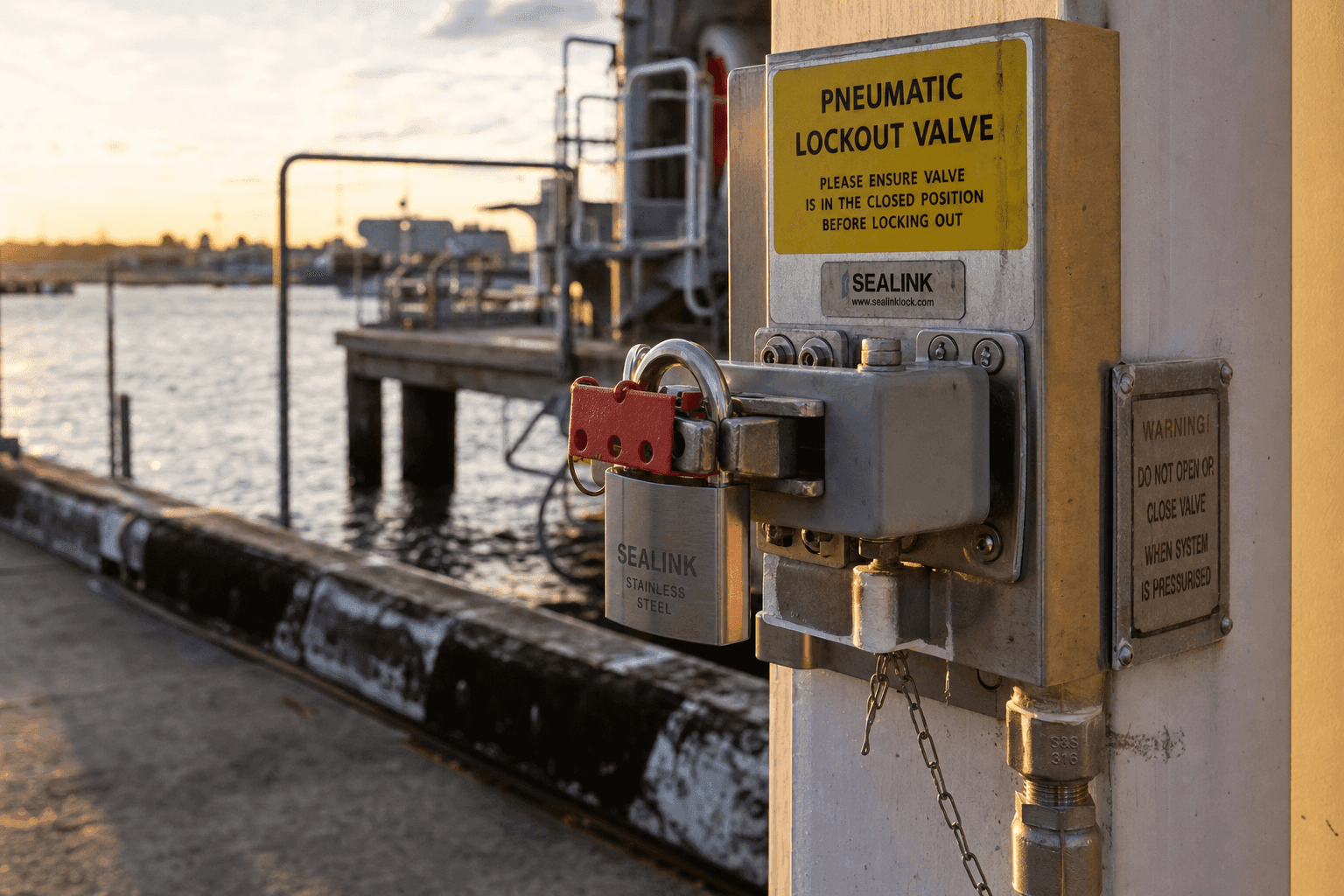
Salt Spray Testing: 24h vs 120h vs 480h

Salt spray testing is an accelerated corrosion evaluation protocol that simulates years of coastal exposure in 24-480 hours under controlled saline mist. For procurement managers working in coastal areas, the decision to choose between 24-hour, 120-hour, and 480-hour salt spray tested security hardware can significantly impact long-term performance.
Understanding how these tests correlate with real-world conditions and industry standards is essential to making informed purchases. This article provides a detailed look at the differences between these testing durations and what they really mean for product durability.
Understanding Salt Spray Testing
Salt spray testing is governed by the ASTM B117 standard, a widely recognized benchmark in corrosion evaluation. This method exposes products to a saline mist, assessing their resistance to corrosion over specific periods. While shorter tests like 24-hour exposures are useful for initial quality checks, longer durations up to 480 hours provide insights into long-term durability and are crucial for products facing harsh environmental conditions.
The Relevance of Testing Durations
The choice between 24h, 120h, and 480h tests can affect procurement decisions critically. 24-hour tests are generally used for preliminary quality assurance. In contrast, 120-hour tests, often seen in coastal equipment trials, serve as a benchmark for longevity and resilience. For those needing assurance over several years, such as coastal infrastructure procurement, 480-hour tests are indispensable.
Correlating with Real-world Conditions
Although controlled, the neutral salt spray protocol aligns closely with specific real-world settings. Studies show that 480-hour tests in chambers approximate one to two years of real coastal exposure, providing valuable predictive data to procurement officers. This enables accurate forecasting of product lifespan and necessary replacements, enhancing overall procurement strategy.
Explore our comprehensive padlock and smart security solutions for OEM/ODM requirements.
Coastal Considerations with Yuefong Lock
Manufacturers, including Yuefong Lock in Jiangmen, utilize in-house facilities to conduct rigorous salt spray tests. Their 120-hour protocol, as part of the ASTM B117 compliance, ensures that padlocks and other security hardware meet the corrosion resistance needed for coastal environments.
| Duration | Purpose | Usage |
|---|---|---|
| 24 Hours | Basic Quality Control | Initial Assessment |
| 120 Hours | Intermediate Durability Check | Routine Maintenance Products |
| 480 Hours | Long-term Exposure Simulation | Coastal and Industrial Use |
Frequently Asked Questions
What is the ASTM B117 standard?
ASTM B117 outlines procedures for salt spray testing to evaluate corrosion resistance, crucial for assessing hardware longevity.
How does 480-hour testing relate to real-world corrosion?
480-hour salt spray tests approximate 1-2 years of coastal exposure, providing insights into long-term hardware durability.
Why are 120-hour tests significant for coastal procurement?
120-hour tests offer a balance between initial assessment and long-term needs, ideal for moderate coastal exposure.
Industry References
Version 1.0 — Published August 4, 2026 · Editorial review window: 90 days