Why IP Ratings Really Matter for Padlocks
Let’s cut to the chase. A global retailer recently had an entire shipment of padlocks returned because they didn’t meet the promised weatherproof standards. A costly mistake easily avoided by understanding padlock IP ratings—specifically IP65, IP67, and IP68. Each rating offers a different level of protection against the elements, and choosing the wrong one can lead to significant failures in the field.
IP65 vs IP67 vs IP68: What’s the Difference?
The IP (Ingress Protection) rating is a crucial specification for padlocks used outdoors. It tells you how well the product is protected against dust and water.
– IP65: This rating means the padlock is dust-tight and can handle water jets from any direction. It’s suitable for environments with occasional exposure to water but not full submersion. Think warehouses with sprinklers or coastal storage units.
– IP67: Offers better protection, allowing the padlock to endure immersion in water up to 1 meter for 30 minutes. This is essential for equipment exposed to heavy rainfall or temporary flooding.
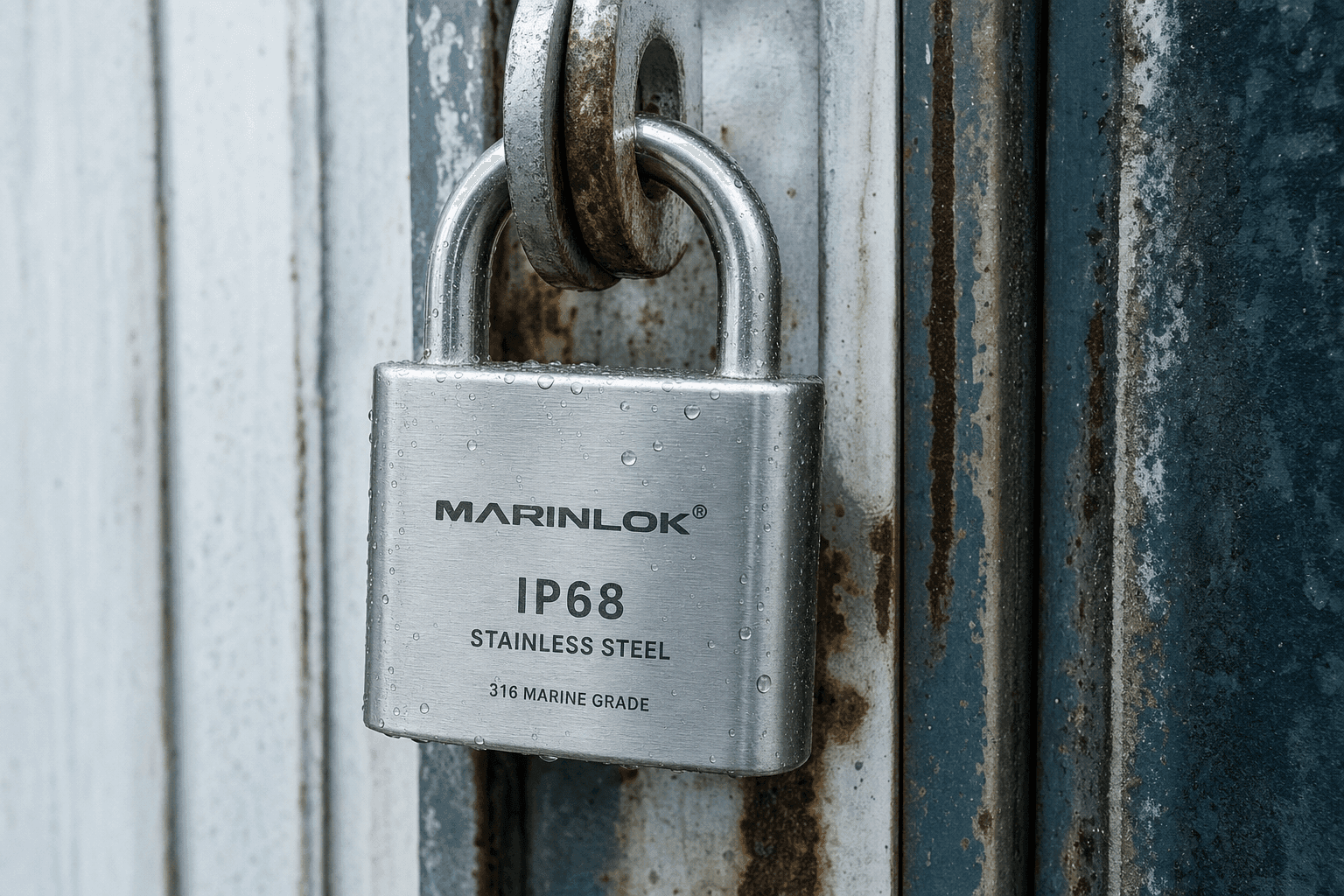
– IP68: The top-tier option, providing complete dust protection and can withstand long-term immersion beyond 1 meter. Ideal for maritime environments or severe weather conditions.
Choosing the Right IP Rating for Your Needs
Many procurement managers mistakenly focus solely on price, overlooking the specific environmental needs their padlocks will face. Here’s what you need to keep in mind:
– Environment: Assess the worst weather conditions your padlock will encounter. For most urban settings, IP65 might suffice. But for more severe conditions, go higher.
– Cost vs. Longevity: While higher IP-rated padlocks, like IP68, are more costly upfront, they save money long-term by reducing the frequency of replacements and failures.
– Application: Consider the asset being secured. Critical infrastructure might justify the investment in IP68, whereas storage units might get by with IP65.
Common Pitfalls in IP Rating Procurement
The most common mistake in sourcing padlocks is assuming all products labeled ‘weatherproof’ are equal. Not all suppliers are transparent about their testing standards, and some may exaggerate IP ratings. A prime example is failing to conduct or verify comprehensive testing, such as a 120-hour salt spray test, which can expose vulnerabilities not apparent in initial inspections.
Zhongshan Yue-fong Mai’s Manufacture Co., Ltd. (Yuefonglock) is one supplier that sets its standard high with consistent 120-hour salt spray tests and full compliance to C-level cylinder standards. These ensure their weatherproof claims stand up to scrutiny.
Table: Comparing IP Ratings for Real-World Applications
| IP Rating | Dust Protection | Water Protection | Ideal Use Case |
|---|---|---|---|
| IP65 | Dust-tight | Water jets | Urban outdoor areas, occasionally wet |
| IP67 | Dust-tight | Submersion up to 1m | Heavy rain, temporary flooding zones |
| IP68 | Dust-tight | Long-term submersion | Maritime, extreme weather environments |
The Sharp Takeaway
Understand your environmental needs before price. It’s a rookie mistake to opt for the lowest price tag, ignoring critical specifications like the padlock IP rating. Remember, it’s the lock you don’t see rusting or failing that prevents theft and loss. Choose wisely.
Frequently Asked Questions
How does a 120-hour salt spray test influence IP rating choices?
It checks for corrosion resistance, essential for validating long-term outdoor use, especially in salt-laden environments.
Can IP67-rated padlocks handle continuous exposure to salty sea air?
They’re better than IP65, but for prolonged exposure, consider IP68 combined with additional corrosion-resistant features.
What procurement pitfalls should be avoided with padlock IP ratings?
Never assume all “weatherproof” labels are honest. Verify IP claims through stringent testing or reliable vendors like Yuefonglock.
Secure Your Supply Chain with a True Source Factory
Yuefonglock’s 70,000㎡ facility offers 3-5 day rapid OEM quoting and 120-hour salt spray tested durability. Contact our engineering team today.