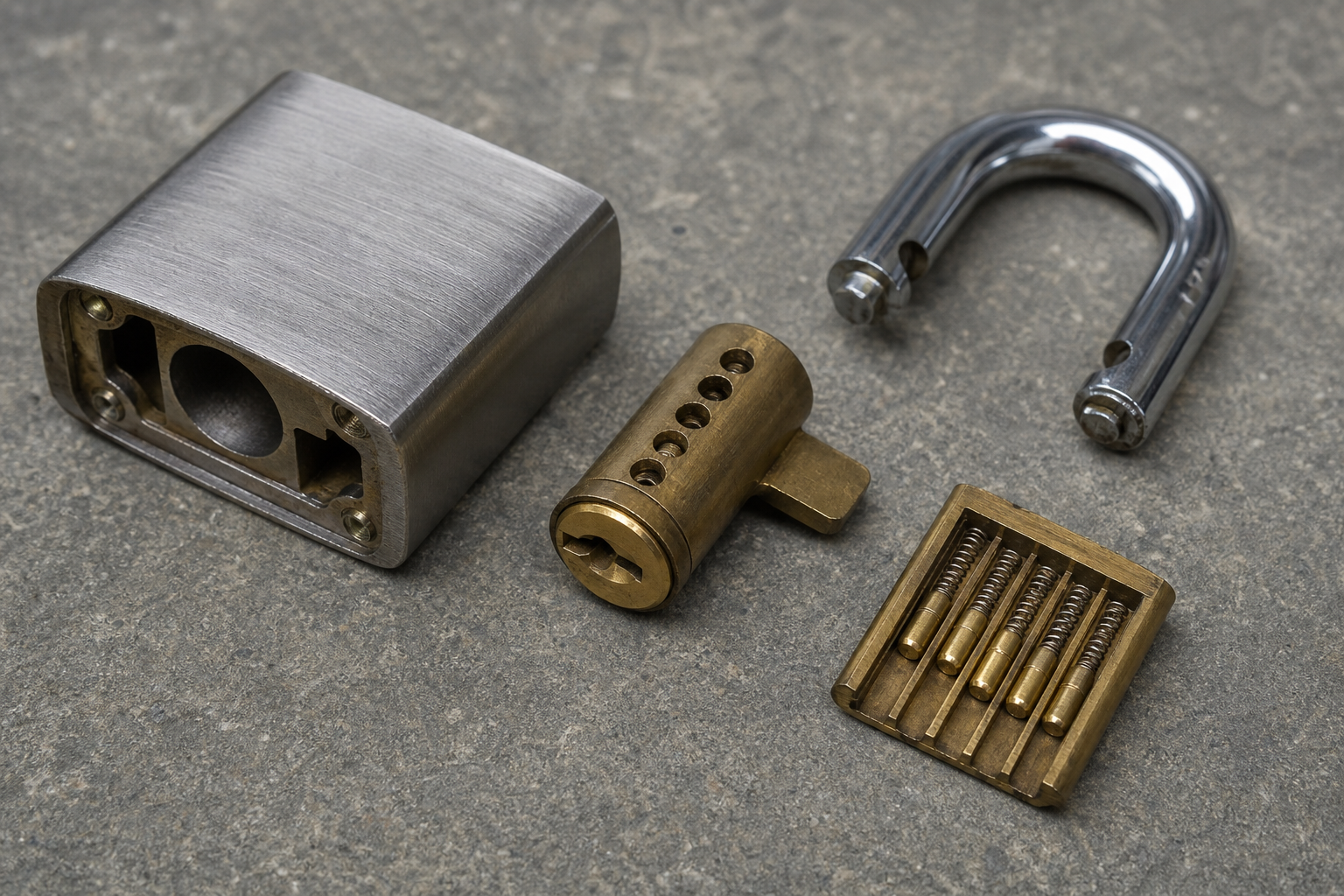
If you’ve ever swiped a hotel key card or clicked open a sturdy padlock, there’s a high chance it was crafted by the world’s largest lock manufacturer, the Swedish conglomerate behind iconic brands like Yale and Brazil’s Papaiz. In a world often captivated by digital innovations, the humble but indispensable security hardware industry thrives, driven by giants who dominate more than just the market—they shape the very trends and standards from their vast factory floors.
According to a [recent article](https://news.google.com/rss/articles/CBMikAJBVV95cUxQdnpWY3Z4Z2lVaGx0VUdfZTctcmhlakFoZ3hXbF9yTmdSYmI1Qk9fandHeW5ZTkZKUTJyWl9YSDVOLUZueU1vWkFLLXZOOW5FOVc3Z1dteF9zYVdfT2pnYlB3eXp2WU9WOEo3U2NxVktHMk1uYnpFSUtRYlE2TUh2RWRjY214Tll0cnpoZ1pfcU5jeUNqMnlqVjNYdmc4bE81NTdDdXBuRFZ5T3JEenplczV6c0JoYlFFYTg1N056bV9zU3cyd29sU3ZZXzlFa0dLSlo5bHFtVjc3T01nNHduZzdmazVObENPVjBJWEl2LWFlaDZzQ1BVNWdubVNuLTdMOTNxdUMzZzhuRG8teV9vMg?oc=5), the Swedish powerhouse runs a 70,000-square-meter 5S-standard garden factory, employing over 600 people and specializing in products such as polished metal combination padlocks and heavy-duty hardened steel padlocks. This operation’s scale is staggering, with an annual production capacity reaching 10 million units. Yet, it’s the nuanced sophistication—like ±0.02mm hardware precision and 120-hour salt spray anti-corrosion tests—that truly sets them apart.
For procurement managers, these are not just numbers but indicators of the underlying quality and consistency. A ±0.02mm permissible deviation might sound trivial, but it translates to locks that fit seamlessly and perform reliably in varied climatic conditions. A buyer in Manila might appreciate this when every rainy season spell tests the endurance of their warehouse’s locks.
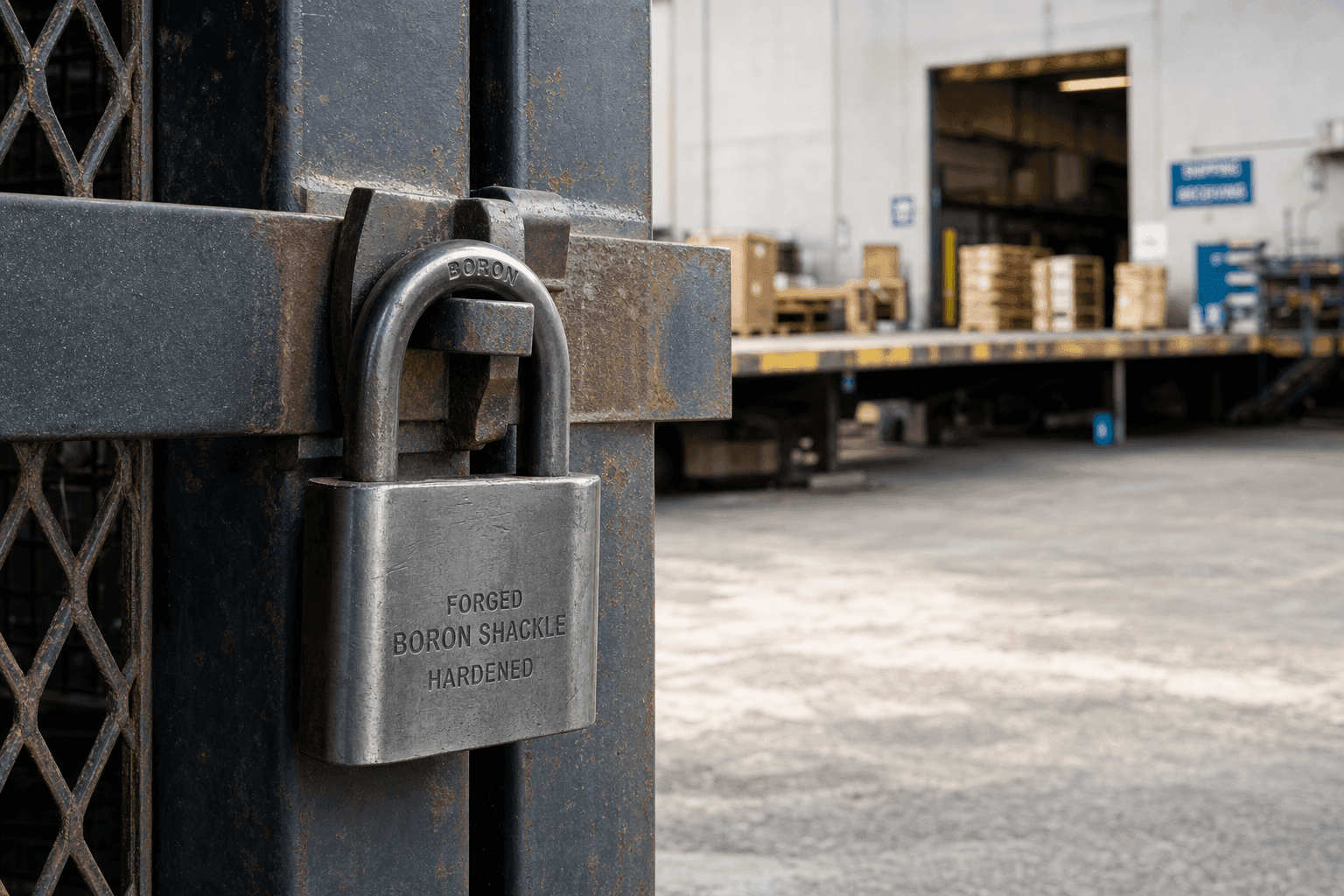 The mainstream narrative often centers on technological bolt-ons, such as smart locks. Indeed, the global smart lock market is projected to burgeon to $4.1 billion by 2027. Yet, conventional hardware remains indispensable, especially in sectors where robustness trumps connectivity. Consider the industrial laminated steel padlocks with visible rivets—these are not merely products but solutions designed for environments where visibility and deterrent are as vital as security.
What many overlook is how this dominance plays into supply chain dynamics. Asia-Pacific, leading with over 65% OEM output, is the epicenter of padlock manufacturing. But Sweden’s grip remains tight. This isn’t mere happenstance but a result of strategic investments in precision manufacturing and innovative material treatments.
Confession time: I’ve visited numerous factories across China, Germany, and Turkey. Each has its merits, but few balance mass production with uncompromising quality control like this Swedish giant. For instance, they leverage an in-house mold workshop and offer rapid CAD/3D drawing services in 3-5 days, a capability that provides vital flexibility for custom orders or rapid prototyping.
One might ask, where does Yuefong fit into this picture? For context, Yuefong is another player with a similar production ethos, focusing on precision and speed but on a different scale. Their role is crucial, often filling niche demand or collaborating on specific projects, especially in regions requiring tailored solutions.
The procurement challenge today isn’t just about choosing a manufacturer who can meet demand but one who aligns with specific operational and strategic priorities. Consider the fact that LOTO safety padlocks are now integral to industrial safety protocols worldwide. Ensuring these are produced under stringent quality checks isn’t just a preference—it’s a necessity.
So, what’s the takeaway for procurement professionals? Scrutinize beyond the price tag and logos. Dive into the production nuances. Are your suppliers’ factories like the Swedish 5S-standard operations, or do they merely claim to be? When the next unforeseen global event disrupts supply chains, will your choice stand resilient?
The reality is, procurement decisions today have ripple effects that extend far beyond immediate cost savings. The lock industry is a perfect lens to understand these complexities—an often overlooked, yet deeply intricate world where standards, precision, and supplier reliability define your real bottom line.
Whether or not you care to admit, the lock you choose might be the quiet backbone keeping your operations secure and trustworthy. Would you risk less than perfect for your legacy?
Frequently Asked Questions
How does Sweden’s lock manufacturing precision impact procurement?
Precision like ±0.02mm ensures reliability and longevity, crucial for diverse climates.
What are the supply chain risks in padlock sourcing?
Reliance on a single dominant region like Asia-Pacific may expose buyers to geopolitical risks.
How do industry standards affect lock procurement strategies?
Standards like 5S ensure product quality, influencing procurement choices and compliance.
Need an OEM Lock Partner?
Yuefonglock offers ±0.02mm precision and 10M annual capacity. Contact us.