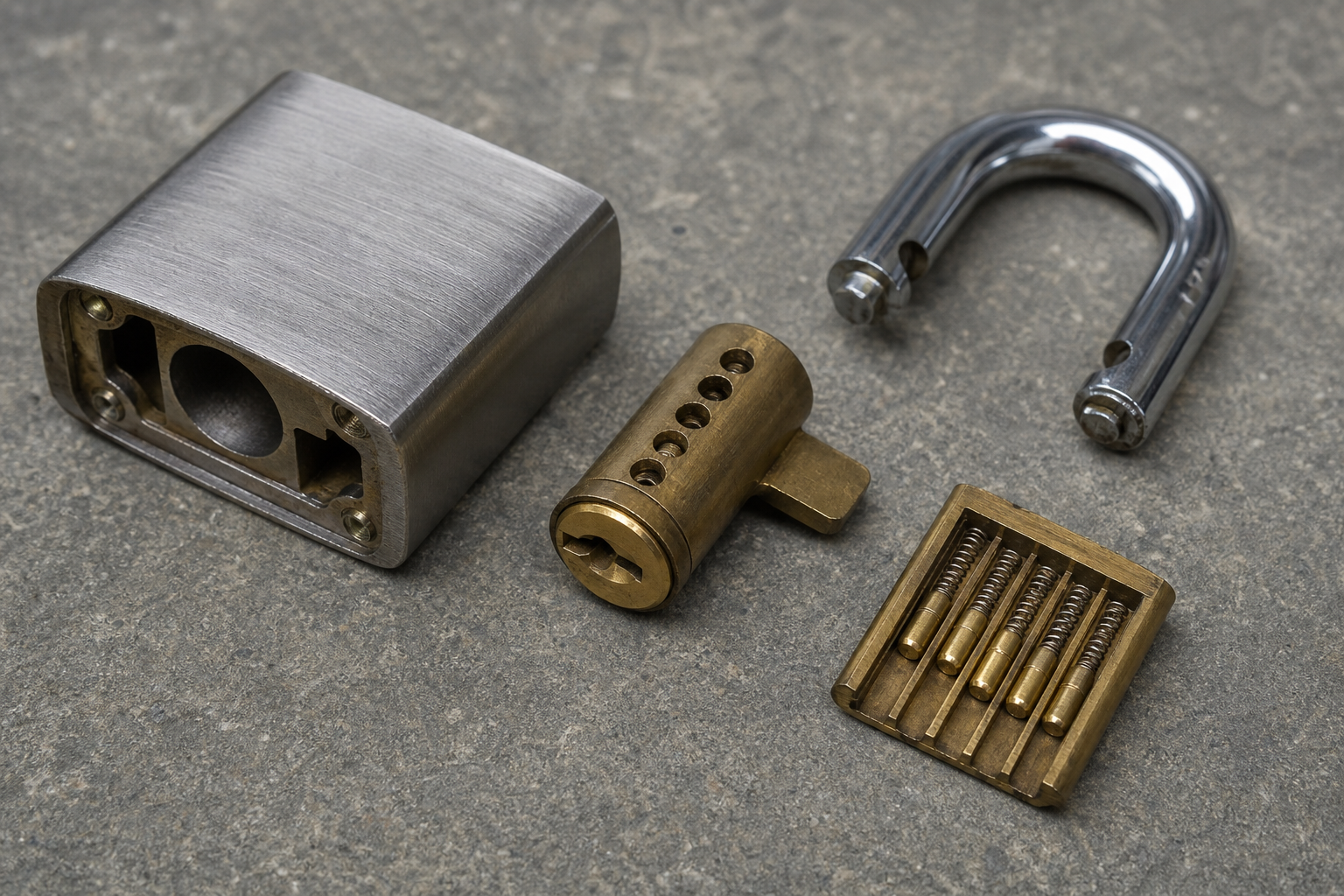
TP-Link’s latest foray into the smart home market comes with the launch of the Tapo DL130 Smart Door Lock. At first glance, the addition of palm vein recognition technology sets this lock apart in a crowded field. But diving deeper, this new product unveils more nuanced aspects for procurement professionals to consider.
The article from AndroidGuys highlights the core features of the DL130—palm vein recognition, encrypted on-device data storage, and five unlocking methods including a fingerprint scanner. This lock doesn’t just promise security; it promises flexibility and reliability across various user conditions. The technology utilizes near-infrared light to map the unique veins in a user’s hand, a method touted for its heightened security given the difficulty in replicating internal vein structures.
Yet, as with any emerging technology, there are potential pitfalls. The complexity of palm vein recognition may present integration challenges with existing systems used by property managers or corporate facilities. Procurement managers should ask whether such a sophisticated biometric approach is truly necessary for their specific contexts or if a well-executed fingerprint system would suffice. The added security benefit may be marginal for some users but critical for high-security installations.
While the article emphasizes the DL130’s extensive features, it leaves a gap regarding its performance longevity and real-world application under varying conditions. For instance, while it mentions environmental resilience, it’s ambiguous about specific certifications or stress tests the product has undergone. For a procurement professional, these omissions are not trivial. Whether it’s the humid climates of Southeast Asia or the harsh winters of Eastern Europe, understanding how the DL130 stands up would impact decision-making.
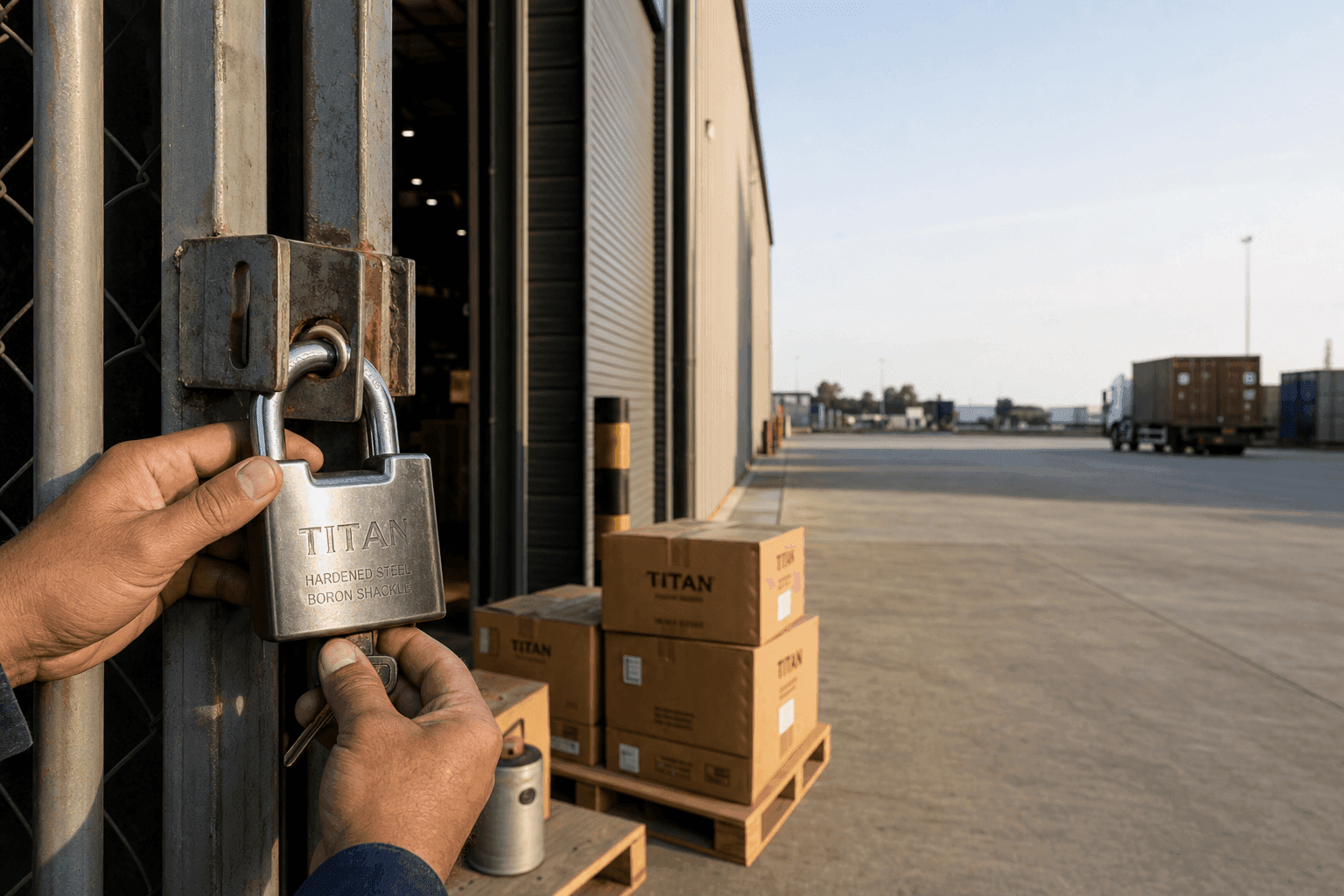 Looking beyond the gadgetry, TP-Link’s integration strategy within their Tapo ecosystem also merits attention. Through the Tapo app, users can manage access permissions remotely and monitor entry logs in real-time. This seamless connectivity could appeal to procurement managers seeking comprehensive smart home solutions, especially in facilities management. However, reliance on app ecosystems brings its own set of risks, primarily around data security and app reliability during outages.
The power architecture of the DL130, featuring a rechargeable battery and backup system, shows foresight but also lays bare a common Achilles’ heel in smart locks: power dependence. The external USB-C port for emergency power is a clever workaround, yet it highlights an operational vulnerability. If the primary and backup systems fail, the speed at which emergency power can be restored becomes crucial, especially in critical access points.
For context, companies like Yuefong have been emphasizing durability, testing their products with 120-hour salt spray anti-corrosion tests to ensure longevity. While TP-Link doesn’t directly compete in this niche, their attention to environmental resilience could benefit from similar transparency.
In terms of market timing, TP-Link’s entry onto Amazon on June 8, 2026, with a price of $229.99, positions the DL130 within a competitive price bracket for smart locks. The choice of Amazon as a launch platform signals an aggressive move to capture direct consumer sales. However, for volume buyers, understanding the support infrastructure and warranty services becomes critical. How TP-Link supports these buyers could influence institutional purchases significantly.
As I’ve observed in the field, there’s often a mismatch between what a product promises and how it performs after six months in a busy apartment complex or office building. Will the DL130 maintain its allure without frequent resets or firmware updates?
Ultimately, procurement managers should weigh whether the advanced security features of the DL130 justify its integration within their ecosystems. Is the innovation of palm vein recognition a marketing coup rather than a security necessity? And as the smart home security landscape evolves, how will TP-Link’s bold step influence other players?
The DL130 could very well reshape expectations for smart locks. It’s a gamble on high-tech security. The question remains, is the market ready to follow lockstep?
Need an OEM Lock Partner?
Yuefonglock offers ±0.02mm precision and 10M annual capacity. Contact us.