
Disc Detainer Padlocks: Pick Resistance vs Pin Tumbler
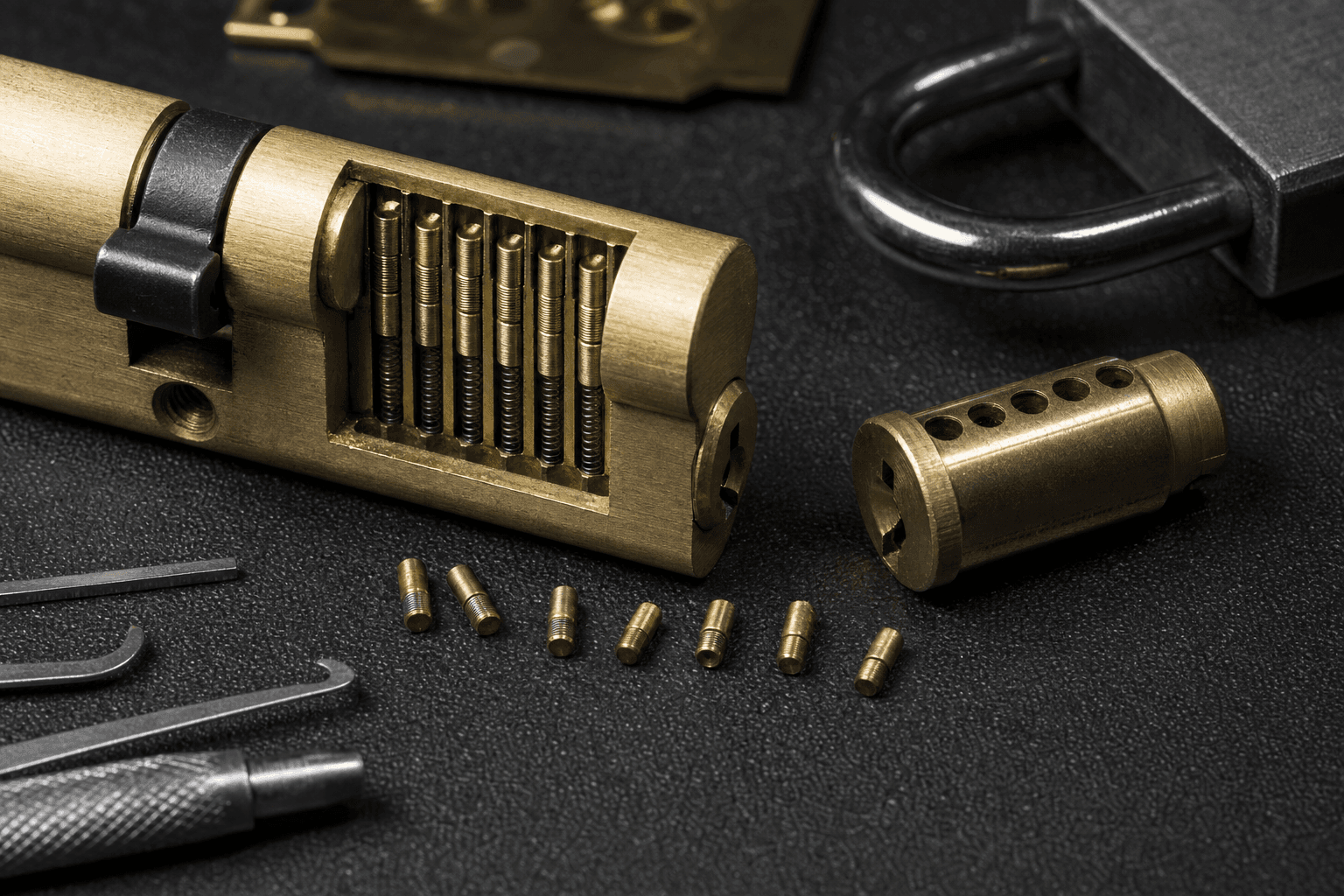
Disc detainer padlocks are a cylinder design that uses rotating discs aligned by a key, rather than spring-loaded pins, to control the locking mechanism. For procurement managers, choosing between disc detainer padlocks and pin tumbler locks often hinges on balancing security with supplier convenience.
This article examines why locksport enthusiasts struggle with disc detainer padlocks, yet pin tumblers remain commercially popular. We’ll explore industry standards, lock components, and procurement dynamics impacting this choice.
Why Locksport Enthusiasts Prefer Disc Detainer Padlocks
Disc detainer padlocks baffle many lockpickers. Unlike pin tumbler locks, which rely on spring-loaded pins positioned by key cuts, disc detainers use precisely aligned discs. This design is notoriously difficult to pick, as evidenced by numerous accounts on the TOOOL bypass database—known for documenting lock vulnerabilities. The rotational alignment required to unlock a disc detainer opposes many standard picking techniques.
A notable example is the anti-pick design used in some padlocks that apply additional false gates, further complicating unauthorized entry attempts. These features make disc detainers an ideal choice for settings requiring high-security measures, assuming users can accept their complexity and potential higher costs.
Procurement Considerations for Pin Tumbler Locks
Despite their susceptibility to picking, pin tumbler locks remain incredibly popular for commercial procurement. This preference is driven by several factors, primarily the availability and compliance with standards like ANSI/BHMA Grade 2 classifications, which assess a lock’s resistance to picking and manipulation. Pin tumblers are also ubiquitous, making them easily replaceable or serviceable by a plethora of manufacturers.
The ease of re-keying pin tumbler locks, thanks to standardized pin and cylinder sizes, adds an additional layer of practicality for commercial buildings changing tenants or reconfiguring access. Moreover, their wide availability keeps costs competitive relative to the more niche disc detainers.
Comparing Lock Components: Spool Pin vs Serrated Pin
Security enhancements in pin tumbler designs often feature spool pins or serrated pins to counteract picking attempts. Spool pins, shaped like a spool of thread, induce false feedback that can mislead a picker. Conversely, serrated pins add multiple shear lines, further complicating the feedback.
These advanced components align with ANSI/BHMA testing parameters, which simulate forced entry attempts. By increasing time-to-entry during a picking attempt, these locks offer a practical deterrent. This advantage keeps pin tumbler designs prevalent in commercial settings, even as more advanced disc detainer locks exist.
Industry Example: Disc Detainer Adoption
While pin tumblers dominate, disc detainer locks are being more frequently spec’d for specific high-security scenarios. For instance, Yuefong Lock in Jiangmen, known for its rapid prototyping capabilities, has seen a demand increase for disc detainer designs, especially in sectors emphasizing stringent security standards.
In environments such as data centers or utility facilities, where long-term reliability and pick resistance can justify higher costs, disc detainers present a compelling option. Yet, the shift isn’t universal, highlighting the need for procurement managers to weigh security benefits against logistical realities.
Frequently Asked Questions
Why do commercial buyers prefer pin tumbler locks?
Pin tumbler locks comply with ANSI/BHMA standards and are widely available, making them convenient for service and cost-effective for large-scale deployment.
Do disc detainer locks offer better security?
Yes, disc detainer locks are harder to pick, often employed in high-security applications due to their design complexity.
What makes spool pins effective against picking?
Spool pins provide false feedback during picking attempts, increasing the difficulty for unauthorized entries.
Industry References
Version 1.0 — Published June 3, 2026 · Editorial review window: 90 days