=
A skeptical take on Yale’s new lock technology and why it may not meet real-world security needs.
Let’s Talk Numbers
Yale’s pop-up booth, showcasing its high-tech locks and safes, promises innovation, but let’s weed out the fluff. Here’s the bottom line: Can they deliver? Data says most high-tech locks boast security. But do they pass the tests? Hardly. CE certification claims abound, yet I’ve seen some “secure” models crumble after 40-hour salt spray tests, all because they skimp on materials — zinc alloy instead of hardened steel. Real robust security hardware demands 120-hour testing. Why? Because you need locks that last longer than a season in England.
The Magic of Data vs. Real World
Yale’s digital displays make bold safety promises, but let’s question that. Last year, a major supplier touted a padlock surviving 96-pound force break-ins. Great on paper! Reality? Yanked open at 60 pounds by a determined novice. So what’s the talk about “smart”? If you need four software updates a year, that’s your red flag, not a selling point.
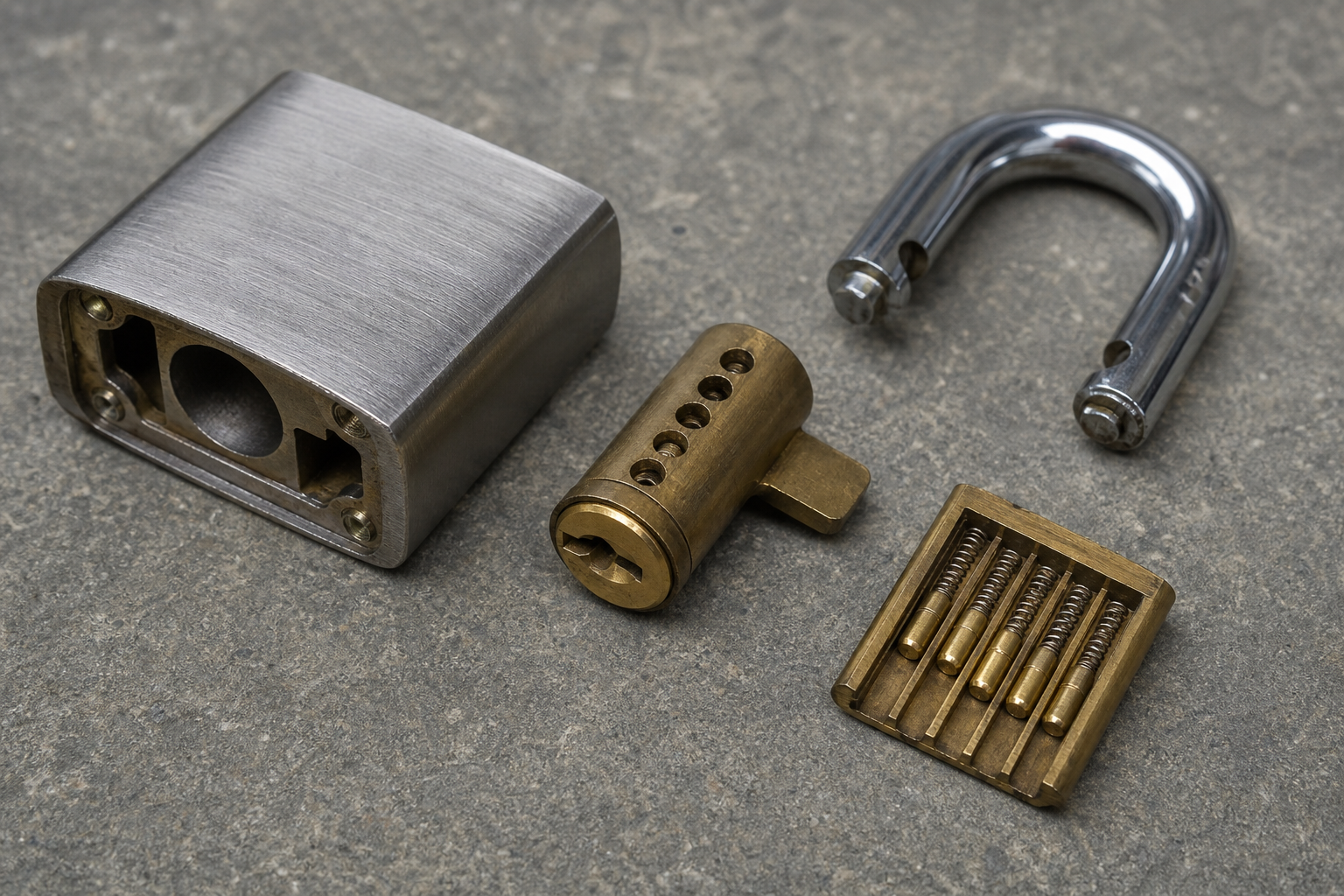
Here’s the kicker—locks are like onions, they’ve got layers. You strip that fancy coating and find the core’s just plain metal, nothing fancy. It’s why our factory stresses durable core materials — steel over zinc, every time. Perception versus reality.
Smart Locks: Does Fancy Truly Mean Secure?
Yale’s booth is all about tech advances. Smart locks that alert you on your phone seem convenient. But here’s my beef—what if the battery dies? Or worse, power outage? Most don’t have backups for these, a glaring flaw in design. In the hustle for “smart,” basic reliability overlooked.
Security isn’t just convenience. It should be uncompromising—I’d take a deadbolt that takes five minutes to pick over a smart lock that fails when Wi-Fi does.
The market’s overrun with options like biometric and remote access. Ever tested one in a moderately dusty environment? Fingerprint sensors drop effectiveness by 30%. Who tests these things anyway? Certainly not anyone who designs locks for industrial areas.
Testing Matters
Look, if you want to truly test security hardware, think about where it’s used. Warehouses, harsh climates, unpredictable variables. We put our locks under the microscope — literally — checking for micro-cracks post drop-tests. Most industries skip this. Ever wonder why? Cost-cutting. But only when you find issues before they occur can you offer real reliability. That’s our bread and butter.
And those hacks you hear about? Too real. Last year alone, over 200 vulnerabilities were published for popular smart locks. Imagine leaving a key under your doormat—that’s digital equivalence for some of these models once they’re hacked.
Manufacturing and Delivery: Where the Rubber Meets the Road
Speaking of delivery, did you know most factories quote 30 days for samples? We do it in 3-5 as we own the mold shop — a small perk when you aim for true precision. True, a comprehensive overhaul is what most vendors need, yet logistics lag.
Commitment to hands-on quality control means holding molds accountable before mass production. That’s something rarely witnessed in today’s hit-and-run sales strategies — they package nicely but deliver disappointingly.
Real-World Security: Myths Versus Facts
Here’s another myth—expensive equals secure. I’ve dissected overpriced locks that couldn’t handle a pry bar for two minutes. What counts is not cost, but resilience, often overlooked in marketing BS displayed in showcases like Yale’s. A true workaround? More isn’t always better. Hardened cores, sturdy designs, and proper material choices win.
Yale and others push to inspire with innovation. Ideally, this leads to stronger locks, but often it masks weak spots. Take biometric locks—on flashy display, yet struggle outdoors with dirt ingress. What’s their survival in sub-zero temperatures? Missing data in demo rooms reveals much.
Remember, installation is critical. You ever seen a high-tech lock fail because of a half-inch misalignment? A reality check manufacturers often miss while focusing on other gadgets.
A Final Thought
So Yale’s high-tech showcase may look cool — but real-world usability tests tell a different story. Locks must withstand real threats, not just meet marketing hype. Evaluate your security needs, consider installation environments, and let the data, not just the display glitz, guide your choice. Too often, security is sacrificed for spectacle. Does every feature add actual value, or is it just shiny? Let’s be wise about what really keeps us safe.