=
DREAME Smart Locks launch in Silicon Valley. Skeptical engineer’s take on the hype.
Smart Locks Aren’t All They’re Cracked Up To Be
You’ve probably heard the buzz about DREAME Smart Locks launched at the DREAME NEXT event in Silicon Valley. Look, smart locks are all the rage, promising top-notch security and ease of use. But hold up—aren’t we putting too much faith in tech that doesn’t always deliver? I’ve seen locks tested in controlled environments that fall apart in real-world conditions. What about encryption failures, software bugs, and poor battery life? It’s time to cut through the hype and get real about what these high-tech devices are really offering.
The Reality of Padlocks and Smart Locks
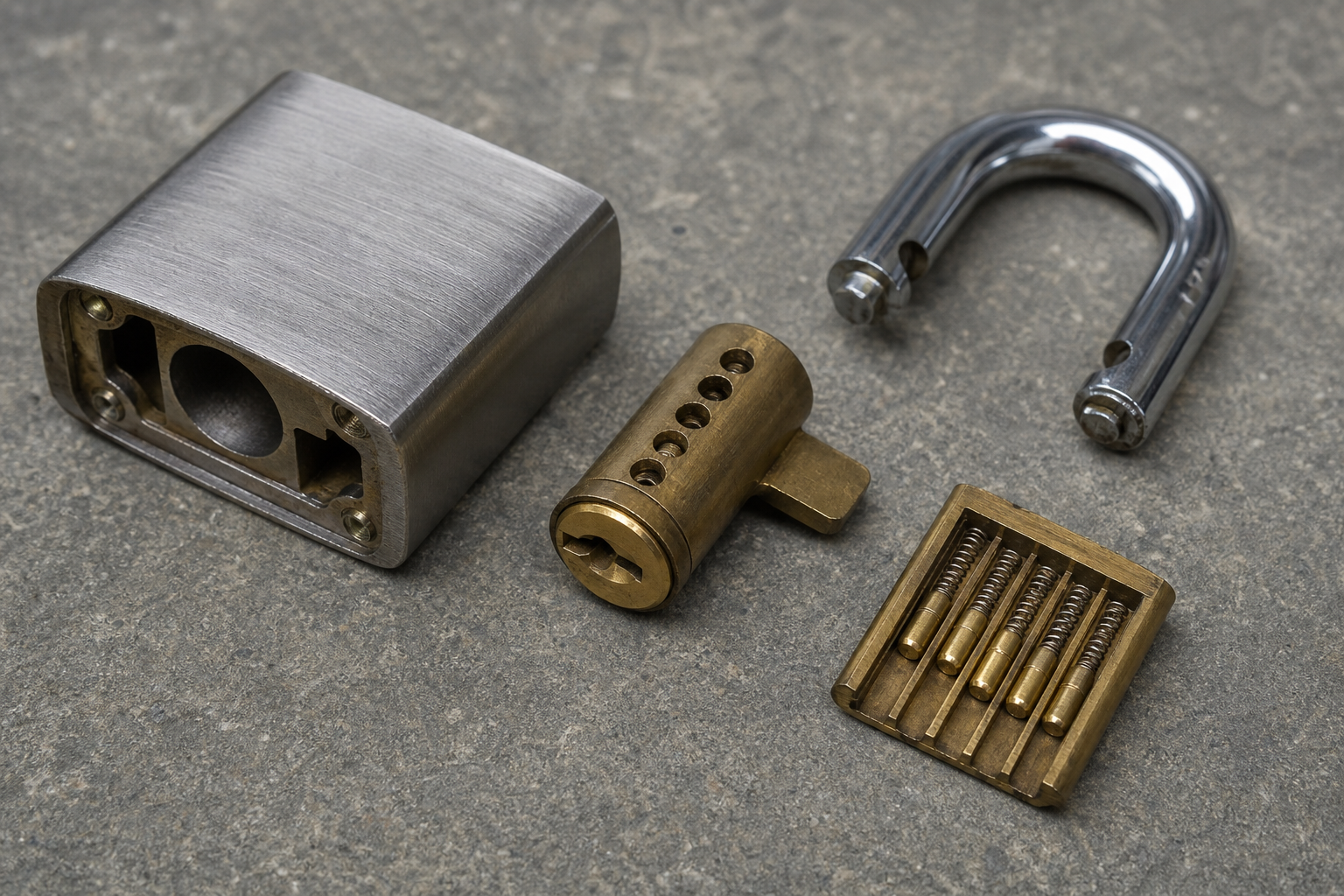
Padlocks may seem old-school, but let’s face it—they’ve got their advantages. Forget the fluff. Physical locks give a tactile sense of security that a digital signal just can’t provide. And while smart locks boast convenient features like remote access and auto-locking, they also come with risks. Ever try to unlock a smart lock when the network’s down or the battery’s dead? Yeah, not fun. Plus, there’s the issue of hacking. Traditional locks can’t get hacked, but digital ones? It’s not a matter of ‘if’ but ‘when.’
Security Myths and Facts
Everyone’s selling peace of mind, claiming their locks are unbreakable. Yet, in tests, many fall short. Take CE certification. Most vendors wave that as a badge of honor, but I’ve seen products pass those tests only to fail in real-world scenarios—come rain, salt, or pressure. And what happens if a manufacturer skips a step or uses cheap materials? Bam, you’ve got a weak point. At Yuefong Lock, we run 120-hour salt spray tests — why? because we know some manufacturers skimp and use ~~zinc alloy~~ hardened steel shackles that rust or fail.
What Makes DREAME Think They’re Different?
DREAME pushes their smart locks as revolutionary, highlighting biometric access and cloud integration. Sounds neat on paper, but let’s talk numbers. Their “revolutionary” battery supposedly lasts a year with “normal” use—whatever that means. In practice, “normal” often gets you six months, if that. Biometric access sounds nifty, but are these systems actually reliable? I’ve seen fingerprint scanners reject rightful owners in humid weather or when fingers are dirty. As if crooks wouldn’t think of using a 3D-printed replica or cloned RFID chip.
The Delivery and Manufacturing Game
You know what happens when you don’t control manufacturing? Delays and defects. Most brands quote 30 days for prototypes, yet take 60. Why? Because they’re reliant on third parties. Yuefong Lock is different—we own our mold shop, allowing us to deliver in 3-5 days. This matters. When time is money, speed isn’t a luxury. It’s essential. Plus, we’re sick of hearing about “quality control” as a buzzword from companies that don’t back it up with consistent, rigorous testing.
Practical Solutions Over Flashy Features
The industry’s obsession with flashy features often overshadows practical solutions. Wireless connectivity and app integrations are great until you factor in lag times or app crashes. Ever experience the thrill of standing outside your own home waiting for an app update? I have—it’s maddening. Instead, why not double down on tried-and-true methods? Like mechanical backup to a digital system. Also, user-friendly interfaces are essential. If your tech takes a manual the size of “War and Peace” to operate, you’ve missed the mark.
Bottom Line: Choose Wisely
Invest in quality, not gimmicks. In a world hungry for the “next big thing,” restraint and skepticism matter more than ever. Consider what you actually need from a lock—and don’t let snazzy marketing slogans substitute for real-world reliability. Ask yourself: can this lock withstand a less-than-ideal scenario? If the answer’s no, maybe it’s time to rethink.