=
A skeptical engineer’s take on Yale ByYou V Pro smart lock.
What’s in a Smart Lock?
Let’s get one thing straight: not all locks are built equally—especially smart ones. The Yale ByYou V Pro markets itself as the go-to choice for modern homes. But let’s put aside the glossy brochures and get real. How does this thing actually stack up?
First off, it claims to boast a battery life of up to one year. In this industry, puffery is rampant. A lot of these estimates assume you’re only using the lock’s minimal features. If you’re constantly letting people in and out, expect less. Maybe six months if you’re lucky. Battery replacements, and their frequency, are often glossed over in these promotional materials. And what type of battery? Typical AA that you’ll have to switch out yourself. Think about it.
The Build – What Keeps It Together?
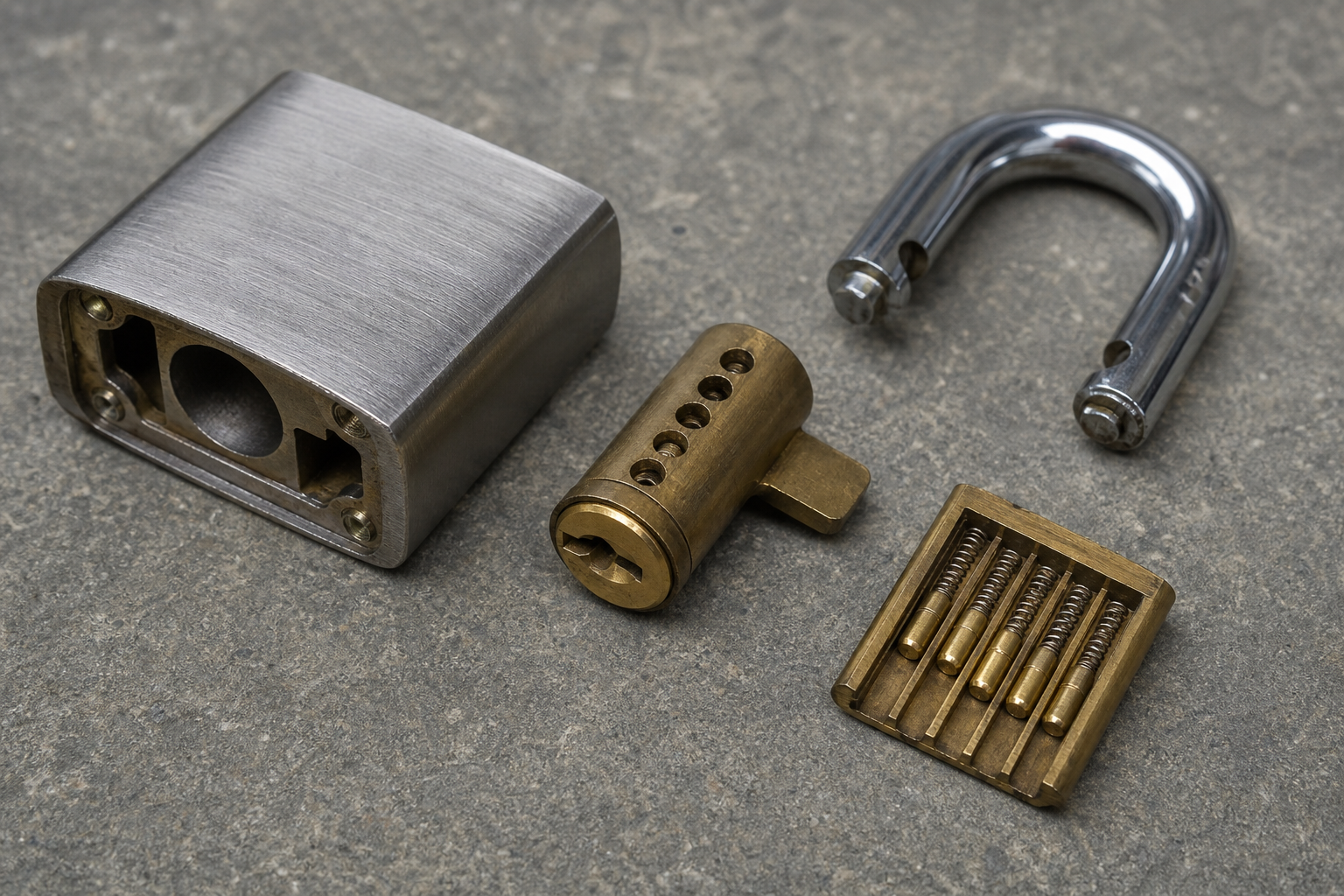
Most of the smart locks on the market today claim to use high-quality materials, but when you scratch beneath the surface, you find just how true or false that statement is. A lot of smart locks on the market use die-cast zinc that fails basic salt spray tests—50 hours and they’re corroding like no one’s business. Here’s the reality. Most vendors claim CE certified but I’ve seen locks fail salt spray at 40 hours because they used recycled zinc alloy, which is why our focus is on sturdy materials like stainless steel at Yuefong Lock. You have to at least promise it can survive a 120-hour salt spray.
The Yale ByYou V Pro claims it can withstand the elements. Well, living in a humid city will test that claim quickly. The lock’s made of some stainless parts, but the screws and some internal components are rumored to be standard steel — that’s a recipe for rust if I’ve ever seen one. Look, you might not live in a monsoon, but water gets into the darnedest places.
Installation – Not Quite Plug and Play
Yale claims their installation is simple—”just swap out your old lock!” Honestly, unless you’ve got experience with a screwdriver and power drill, “simple” might not be your word of choice here. The instruction manual? Good luck. It’ll have you scratching your head more than once. This isn’t IKEA furniture—it’s a lock meant to protect your home. Sometimes you need an expert hand.
And don’t even get me started on the calibration process. Does it recognize your smartphone on the first try? Let’s just say it has as much luck as my old Mazda starting on a winter morning. Often, resetting it can be a headache, not to mention when you have to deal with any software updates. The idea of keeping security gadgets “up to date” sounds great until you’re dealing with new-fangled proprietary software that updates over buggy Wi-Fi.
The Tech – Does Smart Mean Secure?
Smart does not automatically mean secure. We’ve all heard the horror stories—smart locks getting hacked by clever teens and wannabe burglars with nothing better to do. It always gets showcased as a high-tech solution, yet how often does that tech turn into a liability?
Yale’s encryption and security protocols are not foolproof. I mean, Bluetooth has been exploited more times than I can count, and it’s still the standard for many smart locks. It’s great when it works, but it’s a vulnerability waiting to be exploited by the tech-savvy thief. Some folks even say you shouldn’t rely on it when it’s standalone without mechanical backup.
Specific Features Worth Mentioning
Here’s where Yale tries to win some points. It’s got a feature that’s marketed as “timed access”—letting you control who comes in and out at precise hours. Great, in theory. But it’s reliant on an app interface that can be as user-friendly as a broken bike without wheels. God help you if your elderly parents need to use it.
Another selling point: Voice control integration. “Just ask your preferred AI assistant!” Clearly, Yale didn’t consider that half of these AI assistants can only understand half of what we say. Can you imagine shouting at your lock in the middle of a rainstorm?
Is It Worth It?
With a price tag hovering around the $250 mark, it’s more costly than some locks but still not the top-end. You’ve got to ask yourself, “Is all this fancy tech necessary?” Sometimes I wonder—are we moving too fast and leaving security concerns in the dust? A good old deadbolt can also do wonders, and it won’t lose its mind with a power outage.
Plus, what about longevity? Most devices today are built with a planned obsolescence model, but a lock? This thing should last at least a few years. Make sure you check warranties and what they actually cover (hint: not much).
Our Two Cents from Factory Floors
Yuefong Lock delivers samples in 3-5 days because we own the mold shop—giving us control over every stage of production. But, we’ve got to own up to the fact that the industry, including us sometimes, can overpromise and under-deliver. The proof is in the product, not the fancy specs or sales pitch.
Ultimately, the Yale ByYou V Pro has its charm—especially for those hooked on the convenience of connectivity. Just temper expectations. Remember, its real value doesn’t lie in the firmware updates or fancy app features. It’s still a lock—it should primarily keep intruders out, tech-savvy or not.
The bottom line? Get it if you appreciate the tech and bells and whistles, but want to supplement it with a sense of reality. Otherwise, go simple; it won’t send you screenshot notifications, but it will stay locked.