=
Why Aliro’s smart lock tech isn’t convincing a seasoned engineer.
Aliro’s Smart Locks: More Hype Than Substance?
Lock industry loves a trend. “Smart” is the latest buzzword.
Look, everyone’s pitching smart locks like they’re the next sliced bread, but who’s stopping to ask if they really solve problems?
Last week, I saw Aliro’s pitch—claims about revolutionary, intelligent access control systems. They’re boasting about connectivity with the entire building’s infrastructure. But remember what happened when IoT was first introduced? Vulnerabilities everywhere. And everyone’s forgetting key security basics in the name of innovation.
Security Hardware: The Naked Truth
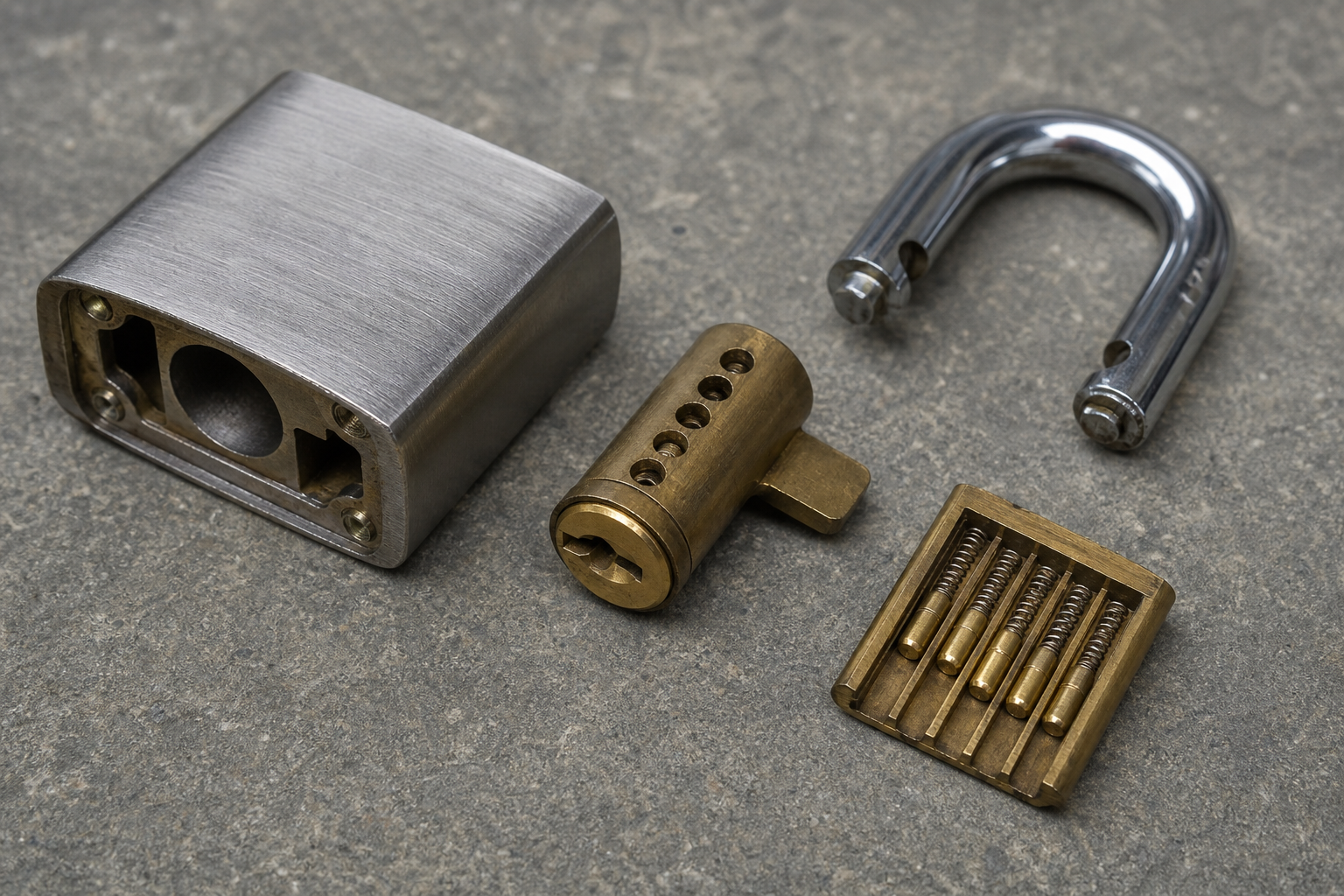
Let’s talk numbers. Typical padlocks, good ones, withstand about 3000 pounds of force. But swap in a smart lock with fancy tech, and what do you get? Reduced mechanical robustness. Why? They’ve got to fit in all that electronic stuff. Even Aliro’s most praised lock can’t compete with a solid, traditional one in brute strength.
And while the convenience factor is attractive, adding cellular or Wi-Fi to a lock opens up doors—literally—for hacker exploits. Think last year’s fiasco with SmartLockPro when they had 100,000 units recalled for firmware flaws.
The Manufacturing and Delivery Game
Most factories quote 30-plus days for a sample. It’s laughable. We deliver in 3-5 at Yuefong because we own the mold shop—cuts lead time like you wouldn’t believe. Over at Aliro, they promise cutting-edge, but with delays attaching Bluetooth components, good luck seeing any product before two months.
Even more tragic? Price. Expect a smart lock from them to run triple or quadruple the cost of a high-security mechanical padlock. For what? Flimsy electronics housed in an aluminum casing that can’t survive a whack from a crowbar without splitting? Right.
Legacy Meets Tech: Where the Rubber Hits the Road
Push-button locking systems existed decades ago. The premise was always simple: convenience at a mechanical compromise. Now, “smart” is trying to elevate these systems, but the end goal hasn’t changed—automation, sure, but remember that convenience can’t replace reliability. In cheaper models, cut corners are everywhere to make room for electronics—less hardened steel, more plastic.
And tech updates aren’t straightforward. Check this—one manufacturer needed an update for their locks via a smartphone app, and users had to stand within 3 feet to initiate it. Practical? No.
Is Aliro a Real Game-Changer?
Aliro pitches new algorithms, AI integration, and predictive analytics—sounds great on paper. But when’s the last time you saw AI accurately predict human behavior without a caveat? Never.
They talk up machine learning, yet their own data shows a security breach possibility at 15% if the installed unit isn’t updated monthly. Most folks won’t even remember to recharge their phones daily.
Also, bear in mind, any “cloud-connected” feature becomes useless if there’s no internet. So remote unlocking’s a no-go during outages. Smart, right?
Practicality vs. Potential: The Verdict
Here’s the truth. Aliro might have potential, but practical flaws make me wary. Their glossy promises mask the fact the tech isn’t mature enough for hardcore use. Until then, I prefer a trusty padlock.
Smart locks are chasing the convenience jackpot without earning the reliability certificate. And trust me, when you’re late-night fixing jammed units that locked every tenant out, you’ll feel my pain—or worse, theirs.