=
Evaluating smart locks in hospitality: Are they ready for real-world demands?
Smart Locks: Are They Really That Smart?
Let’s get one thing straight. Much of the industry noise around smart locks being the future of hotel security is just that—noise. When scrutinizing these tech-infused gadgets, you’ll find that many of them drown in false promises the moment they face real-world conditions. Here’s a reality check: Most of these smart locks can be bypassed using low-tech methods like magnet or bump keys. They claim to deliver high security, but are they surviving the hotel environment chaos? A lot of vendors have shut their ears to the shortcomings, blinded by buzzwords and trendy concepts.
Padlocks: The Forgotten Heroes
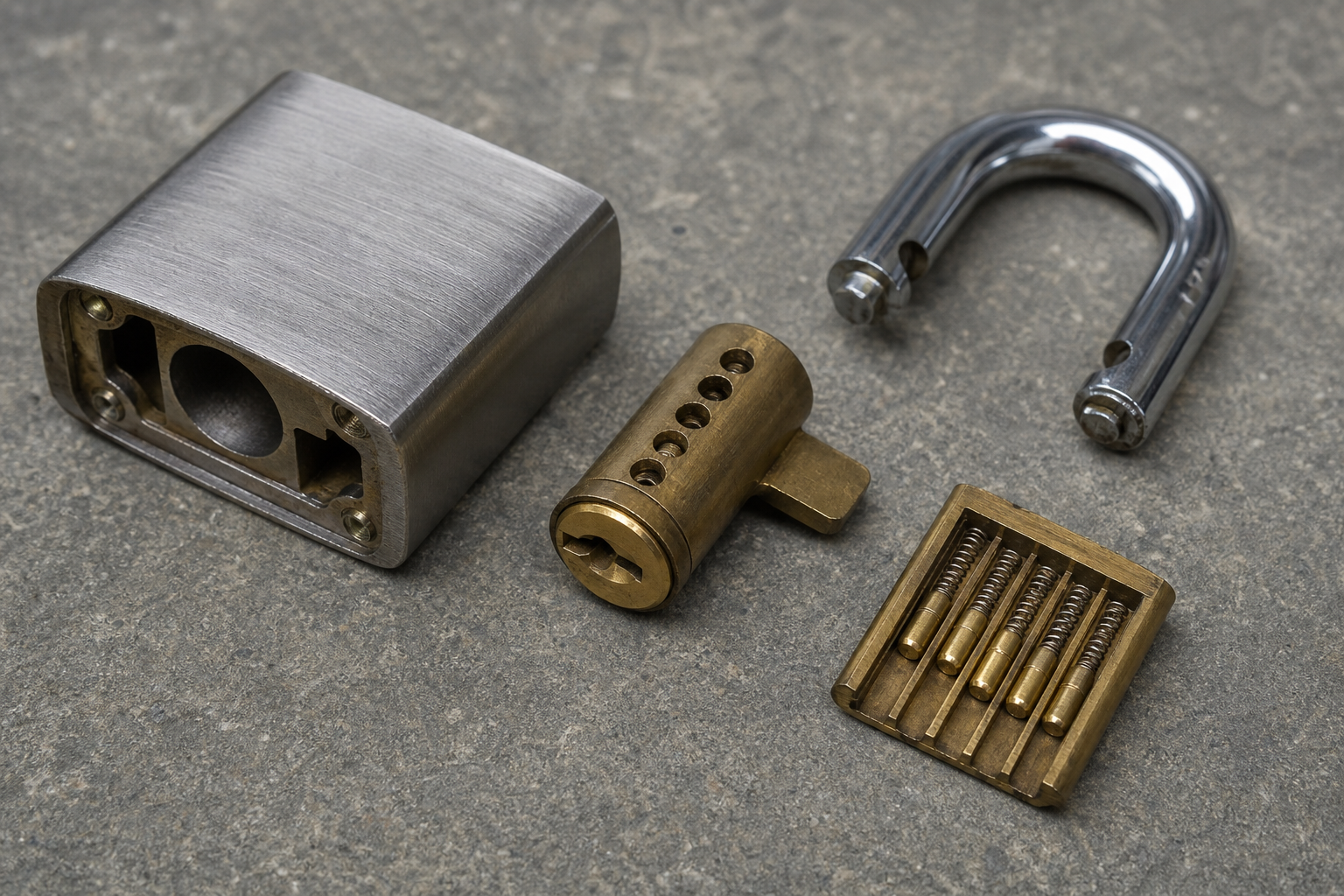
While padlocks aren’t basking in the spotlight like the new-age smart locks, they’ve been doing their job thorough and silently for decades. With cold-forged steel bodies and precision-cut tumbler mechanisms, a solid padlock from a reliable manufacturer can resist a brute-force attack that would make a smart lock sputter and choke. Don’t just take my word for it. Look at the data—padlocks with hardened steel shackles have been rated withstanding over 7,000 lbs of pull force. Can most smart locks claim that? Not quite. Even if they’re praised for remote access and user management, what good does it do if the lock can be cracked or malfunction due to a simple bug in the software?
Technical Downfalls of Smart Locks
Smart locks promise convenience—automatic locking and unlocking, remote access, integration with smartphones and heaps of data analytics. Sounds like a dream come true for hoteliers, right? But what happens when the Wi-Fi is down? Or when their Bluetooth connection, notoriously unreliable on many models, cuts out? Now, that’s a nightmare waiting to happen. Let’s throw in some more real-world problems: power consumption. These things chew through batteries like nobody’s business. A 2019 study showed nearly 30% of smart locks needed battery replacement every 2-3 months. Try keeping up with maintenance across hundreds of rooms in a sprawling hotel, and you’ve got yourself a logistical and financial headache.
Cost Implications
Install one of those flashy smart locks, and see the initial costs barely scratch the surface of what you’ll spend in the long run. First, consider the upfront price of $150-$300 per unit for decent models—near double the price of a standard industrial padlock. But that’s the tip of the iceberg. Firmware updates, security patches, battery replacements, and the need for specialized personnel to program and troubleshoot the darn things, rack up costs faster than you can swipe your room key card.
And here’s a kicker. Many argue about long-term savings due to reduced need for traditional key cards or rekeying, but that doesn’t account for system failures and extra training for staff. This doesn’t even pinch the management’s pockets; it’s the inexpensive-looking hardware that’s enacting a slow bleed over time. Ever met a consultant who doesn’t promise you’ll “save money in the long run” yet jumps ship when systems start misfiring? I have, more than once.
R&D and Manufacturing Realities
So, where does superior manufacturing come into play? Well, hotels can’t afford down time. Most factories quote 30 days for sample products, but we at Yuefong Lock have a tighter grip, with in-house mold workshops trimming delivery times to a mere 3-5 days. We also don’t cut corners using subpar materials. Our hardened steel shackles aren’t just a marketing phrase—it’s a manufacturing standard.
Last year, during a comparison test, some competitors were reluctant to even expose their locks to ongoing usage stress tests. We, on the other hand, perform 120-hour corrosion resistance tests as a weekly routine—not a special request. Misalignments or fit issues can be deadly for hotel operators. It’s a nightmare when new locks don’t fit precisely. Ever wonder why many manufacturers won’t talk about lock misalignment rates? It’s because once hoteliers face the stark reality of constantly re-adjusting hinges or fitting new lock assemblies, the supposed “savings” dissipate quickly.
Moving Towards a Balanced Approach
So what’s the solution here? Abandoning new tech isn’t the answer. The goal is cautious integration—balancing new smart features with the time-tested security of traditional locks. Deploy smart locks only where remote access genuinely outweighs potential tech headaches. That way, hoteliers can harness tech where it makes sense, without succumbing to industry hype aimed at making them adopt every new gadget recklessly.
On top of that, data analysis should focus on reliability history rather than just touted features. Product reviews? Sure, but many are cherry-picked quotes from initial impressions that never address longevity or on-field performance. Keep it real. Lock choice should favor service life over deceptive bells and whistles. There’s a reason why many hotel chains still cling to both padlocks and newer options—versatility is key. Plus, staff should have solid fallback protocols. When a smart lock crazily refuses to open just as a guest arrives in the dead of night, what’s the next step? Train for that crisis—not just the happy path trials.
The Bottom Line
Let’s face it: Smart technologies are coming hard at us in hospitality, promising a seamless experience. But drilling down, maintenance hassle, security risks, and operational uptime tell a slightly different story. Padlocks and smart locks both have their roles—it’s about finding that optimal mix. Keep asking: What realistically safeguards my guests and cuts operational friction? Because it’s not as simple as prancing into a flashy tech showroom and buying the newest gadgets.