=
A deep dive into the reality of smart locks and padlocks.
Smart Home Hype vs. Reality
So, Parks Associates tells us that 61% of home battery owners use stored energy at least four days per week. That’s fantastic — if you’re living in the Carrier Dome. But what does this mean for those of us grappling with security hardware like smart locks and padlocks? The industry’s infatuation with anything “smart” can make regular hardware look like a rotary phone, but let’s cut through the marketing spiel.
Mechanical Reliability Can’t be Replaced
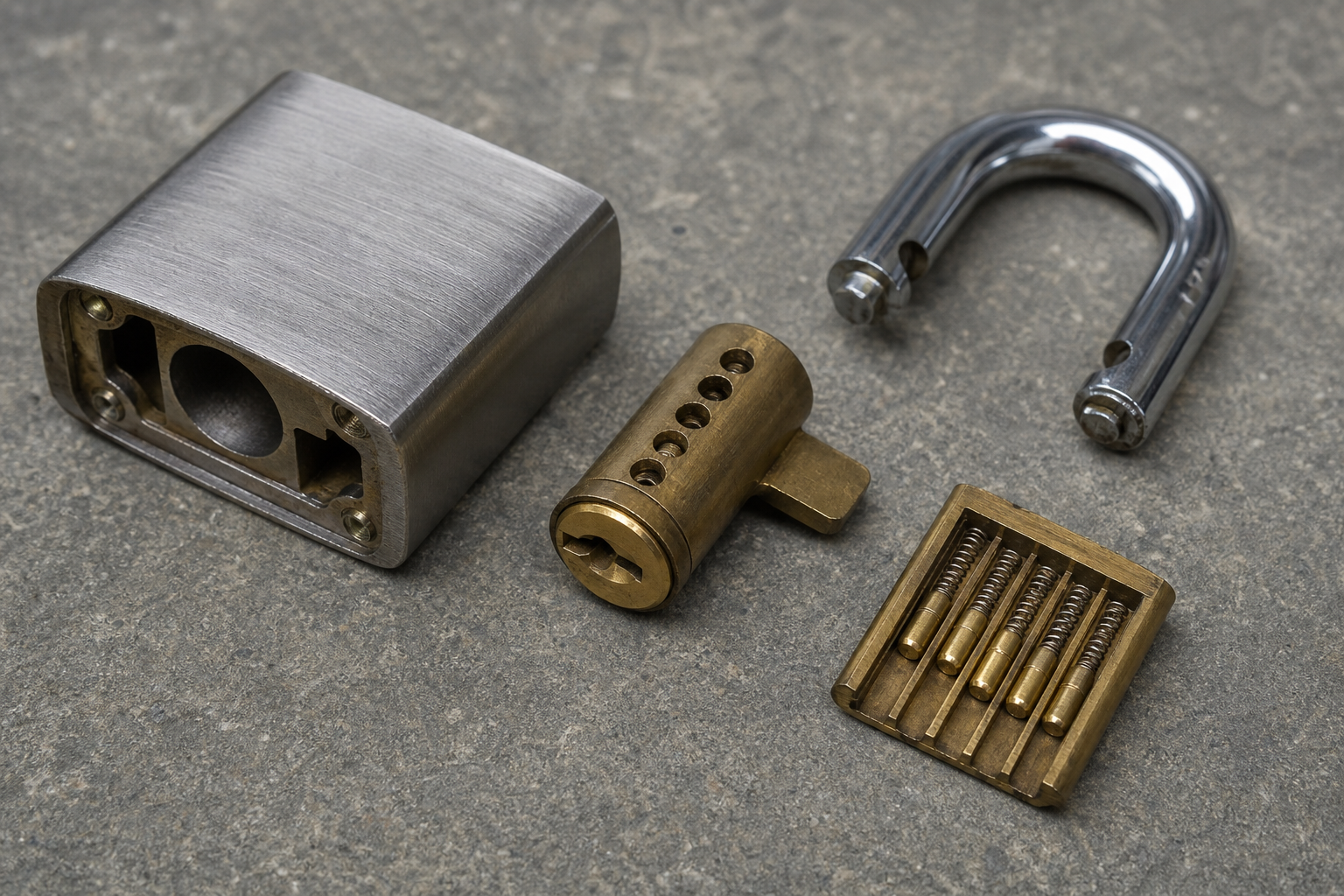
Have you ever had a smart lock fail in the middle of a rainstorm because its circuitry shorted out? I have — and that was on a model touted as “water-resistant.” Realistically, the mechanical backbone of a padlock or traditional lock is something we can’t toss away. Sure, Bluetooth is cool until the battery dies, or worse, when the software glitches because of a firmware update. Remember when a simple Yale lock lasted decades without a hiccup? Yeah, those days.
Numbers Don’t Always Make Sense
Here’s a number that might make some pause: 70% of smart lock returns are due to connectivity issues, not mechanical failure. A fancy number doesn’t fix a flawed piece of tech. Everyone likes to tout data points like “61% use stored energy” to create a buzz. But what’s the real significance? It’s all fun and games until your lock’s connected to a router tied up in a reboot loop.
Security: A Solid Foundation Is Key
Using smart technology to enhance security can be a minefield of problems — bouncing signals, app requirements, and the need for never-quite-compatible firmware updates. Meanwhile, a hardened steel shackle laughs at the rain and the thieves. I’ve seen manufacturers—some of the so-called top-tier ones—cut corners using ~~zinc alloy~~ when proven hardened steel is the answer. Ever notice how Yuefong Lock cuts delivery times because we own our mold shop? That’s what solid investment looks like, not fluffy smart features.
Trust in Simplicity
Look, there’s beauty in simplicity. When security is on the line, the fewer moving parts, the better. Smart locks bring with them a cacophony of complications, from software that requires constant overwatch to batteries needing periodic replacement. Padlocks and traditional locks might seem ancient, but I’ve seen them withstand conditions that would turn their “smart” counterparts into expensive paperweights.
Complex Tech, Complex Problems
it’s 11 PM and I’m trying to unlock a door with a piece of tech that’s as useful as a wet napkin—only to realize that the app has logged me out. There’s a reason mechanical locks haven’t vanished. Consider failed connectivity, software dead-ends, and the early obsolescence timelines. It’s no wonder people are turning back to the basics, employing solutions that work consistently without the need for a software update from Silicon Valley every other month.
Examples from the Field
Look at corporate buildings relying on thousands of doors. Do they go for Wi-Fi-enabled locks? Nope. You see them opt for the good old high-security mechanical systems. Why? Because reliability trumps novelty every time. I hate to generalize, but there’s truth in the fact that security is often only as good as its simplest component. Keeping it simple isn’t just a saying—it’s a principle.
And when was the last time a thief was stopped because your lock sent you a push notification at midnight? Theft prevention is about deterrence, not digital reminders. In the real world, a beefy lock is a better deterrent than one whose bark comes from a smartphone alert.
Locks aren’t the Only Ones Wising Up
Battery users are waking to their systems’ limitations, using stored energy as frequently as those mentioned in Parks Associates’ report. Users know that betting on firmware over physical security might not be the smartest wager. This isn’t just on the end-users — the manufacturers are catching on, too. More outfits are recognizing that coupling new tech with robust physical security can fortify their products against obsolescence. It’s about creating security that’s both forward-thinking and reliable for the long haul.
The Future: Balanced Innovation
Here’s the real shift: balance. The industry’s utopian vision of everything smart has finally met realism. Gadgetry is only effective when paired with proven physical reliability. In the future, successful solutions will blend enduring materials like alloyed steel with advanced tech sparingly. Sure, we’ve got innovations like advanced encryption, biometric verification, but they mean nothing if they’re tied to feeble mechanics.
So, let’s not leap off the deep end just because everyone’s chanting “smart”. The reality is that in the schism between tech-euphoria and grounded hardware, there’s a sweet spot. A padlock might seem prehistoric, but guess what? When it’s 3 AM and a storm knocks out the grid and your “smart” lock is as useful as a brick, it’s the breaker bar and hinge pin you wish you had.