=
Exploring the realities of centralised access control in hospitality.
Device Manager in Hospitality: Revolutionary or Another Buzzword?
Look, the hospitality industry is jumping all over this new Device Manager by eviivo as if it’s the second coming of Christ in smart locks. But let’s be honest, aren’t we tired of announcements where buzzwords replace real breakthrough tech? They say it centralizes access control — great, but what about the nitty-gritty? You can’t just slap a “smart” sticker on a lock and call it a day.
What Does Centralisation Really Offer?
Centralization is all about streamlining. Imagine managing a hundred rooms with one control panel. Sounds great, right? But here’s the kicker: How often do these “centralized” systems fail in real-world applications? One minute, it’s an IT marvel; next minute, half the locks are offline because someone tripped over a router cable.
Most systems claim 99.9% uptime. I say, quote me when your data doesn’t conveniently exclude “planned” downtimes. It’s wild how often hotels end up with door lock systems down for maintenance every weekend — the highest traffic days.
Tech and Manufacturers: A Love-Hate Relationship
Let’s not forget: manufacturers love new tech launches. But ask them about their testing, and you get silence faster than a mouse in a cat’s convention. Eviivo’s solution rides on cloud tech. Cloud storage for access logs, remote access permissions — sounds secure until the server farm faces a blackout.
Here’s a fun fact for you: 45% of “smart” locks get hacked using a basic tablet running outdated software because manufacturers prioritize flashy features over security updates. And then there’s padlocks. Basic, solid, mechanical. Ever seen one hacked remotely?
Yuefong’s Approach to Real-World Manufacturing
Look, most factories quote 30 days for samples, but we deliver in 3-5 because we own the mold shop. That’s the level of real-world efficiency you won’t hear about in marketing pamphlets. While others flaunt yarns of future potential, we’re here putting real shackles — hard as nails, tested for 120 hours salt spray.
Smart Locks vs. Traditional Locks: The Untold Story
Sure, smart locks have their perks, until they don’t. Batteries dying mid-stay? No thanks. Give me a solid mechanical lock any day — zero battery, zero app dependencies. Plus, who regulates the software updates on these so-called “smart” devices? Most companies can’t track minor firmware patches, resulting in a fragmented system, weaker over time.
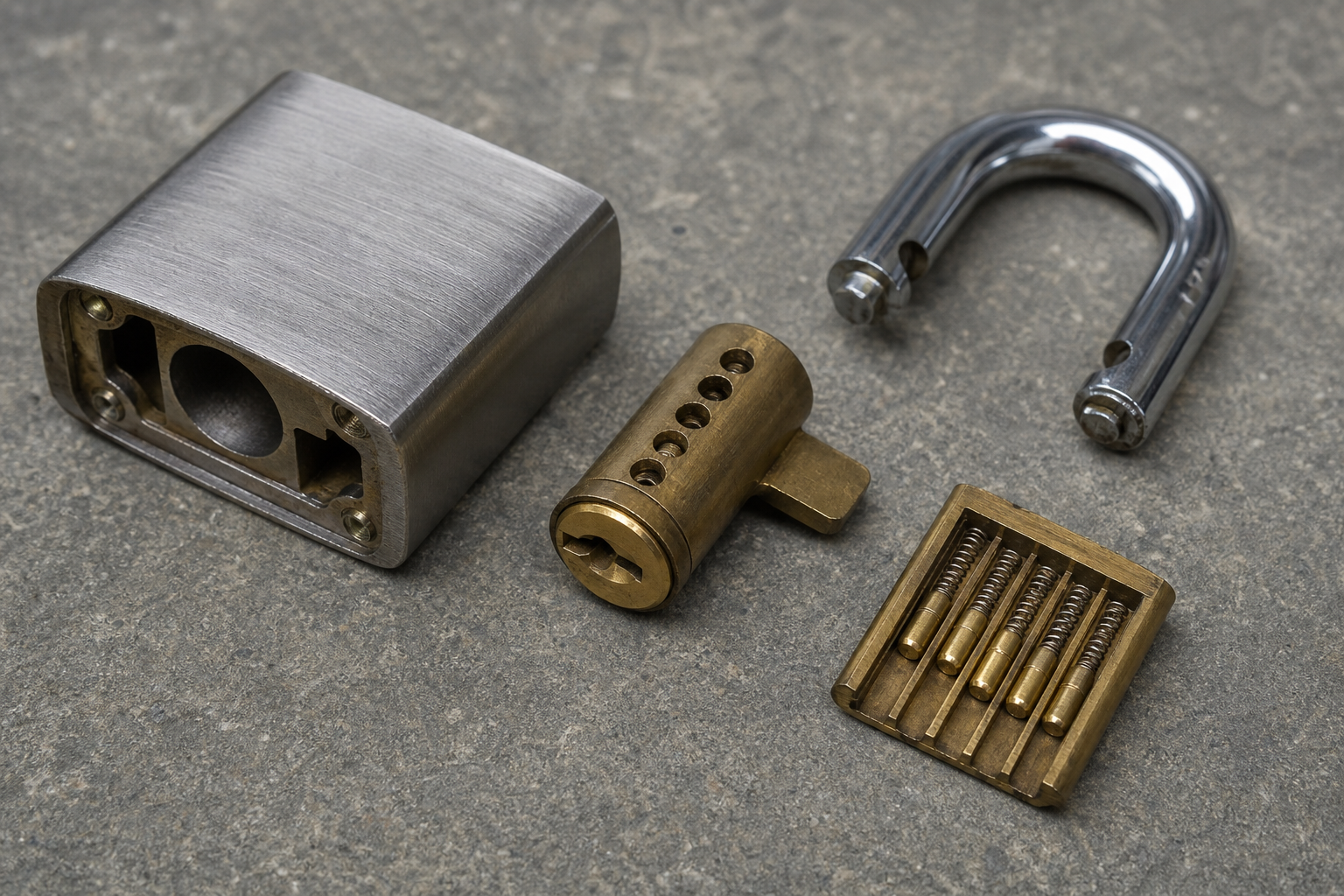
Traditional locks are simple, tangible, and you know what? They actually hold up. Look, when high-end hotels still use padlocks on their back-of-house storage, you know the simplicity speaks volumes.
The Future: A Blend or a Choice?
Is the future of access control really in going fully digital, or is it about finding the right blend of mechanical and electronic solutions? I’d argue for the latter. We shouldn’t dive into an ‘all or nothing’ approach, especially when none of these high-tech systems can guarantee comprehensive, foolproof security.
Consider mix-matching — wiring in smart tech for guest convenience but maintaining traditional locks for sensitive access points. And don’t forget; regardless of tech, you’ll still need seasoned security hardware to weather any surprise storms.
In the end, while eviivo’s Device Manager seems full of promise, the execution will always tell the real story, much like a film’s trailer versus the actual movie. So, let’s keep our eyes peeled and demand data, not just devices.